regenerative aesthetic clinic in Delhi

top regenerative aesthetic clinic in Delhi for PRP, GFC and stem cell therapy

Introduction: The Silent Crisis of Cellular Aging in Urban India

In the sprawling, pulsating metropolis of Delhi, a silent biological crisis is unfolding beneath the skin of millions. It is not a disease in the traditional sense, but a relentless, accelerated decay of our most visible organs—the skin and the hair. Every breath of toxic air, every sleepless night fueled by corporate pressure, every micron of UV radiation piercing through the smog is not just causing superficial damage; it is rewriting the genetic expression of our cells, pushing them prematurely into senescence (aging) and apoptosis (cell death).

When searching for the top regenerative aesthetic clinic in Delhi for PRP, GFC and stem cell therapy, one must look beyond glossy brochures and celebrity endorsements. The field of regenerative aesthetics has become crowded with practitioners who confuse a weekend certificate with genuine expertise. Amidst this noise, ILAMED, under the visionary leadership of Dr. Ajay Rana, has emerged not merely as a clinic but as a true institute—a place where cellular biology meets clinical precision, and where patients receive treatments rooted in science, not salesmanship.

Traditional aesthetics—creams, chemical peels, even Botox—have long operated as sophisticated masking agents. They paint over a crumbling wall. They silence the symptoms without addressing the root cause. For decades, the cosmetic industry has thrived on this fundamental deception: that beauty is a surface-level concern solvable by topical applications.

But a paradigm shift has arrived. Regenerative Aesthetic Medicine does not mask; it rebuilds. It does not silence the symptoms; it reprograms the source. This branch of medicine represents the convergence of cellular biology, immunology, and clinical aesthetics—a field where the goal is not temporary enhancement but biological restoration. This is precisely why ILAMED is widely regarded as the top regenerative aesthetic clinic in Delhi for PRP, GFC and stem cell therapy.

In a city where pollution acts as a constant, invisible accelerant for aging, the demand for PRP (Platelet-Rich Plasma), GFC (Growth Factor Concentrate), and Stem Cell Therapy has exploded—not as a luxury for the affluent, but as a biological necessity for anyone who wishes to age with dignity in a hostile environment.


Part 1: The Delhi Factor – Why Your Cells Need an Emergency Protocol

Before understanding the cure, one must respect the poison. Delhi is not just a city; it is a stress-test for human biology. To understand why regenerative medicine is not optional here—and why finding the top regenerative aesthetic clinic in Delhi for PRP, GFC and stem cell therapy is a medical necessity rather than a cosmetic indulgence—we must first understand the unique, multi-pronged assault that every Delhi resident’s body endures daily.

The Pollution Matrix: PM2.5, PAHs, and Heavy Metals

Delhi’s air is a toxic cocktail. The particulate matter (PM2.5) is small enough to bypass the skin’s natural barrier and penetrate the dermis—the living layer of the skin where hair follicles reside and collagen is produced. Once inside, these particles trigger a relentless inflammatory cascade. They activate something called the aryl hydrocarbon receptor (AhR) in skin cells, which leads to the production of matrix metalloproteinases (MMPs)—enzymes that literally eat away at collagen and elastin.

But the damage goes deeper. Polycyclic aromatic hydrocarbons (PAHs), abundant in Delhi’s winter smog, induce oxidative stress at the mitochondrial level. This stress shortens telomeres—the protective caps at the ends of your DNA chromosomes. Shortened telomeres are the single most reliable biomarker of biological aging. In effect, living in Delhi without aggressive skin protection and internal regeneration means you are biologically aging faster than your chronological age would suggest. Studies have shown that individuals in high-pollution environments can show skin aging signs 10 to 15 years ahead of their rural counterparts.

This environmental reality makes it imperative to choose the top regenerative aesthetic clinic in Delhi for PRP, GFC and stem cell therapy because only such a clinic will have the protocols and technology to counteract pollution-induced damage rather than merely mask it.

The Hard Water and Heavy Metal Burden

Beyond the air, the water tells a similar story. Delhi’s groundwater and municipal supply are notoriously hard, laden with calcium, magnesium, and alarming traces of heavy metals like lead, arsenic, and nickel. When you wash your hair, these minerals do not simply rinse away. They form a crystalline film on the scalp, clogging the follicular ostia (the opening of the hair follicles). Over time, this leads to a condition called scalp calcification—where the blood supply to the hair bulb is physically restricted by mineral deposits.

Furthermore, heavy metals act as endocrine disruptors. They mimic or block hormones, interfering with the delicate androgen balance that governs hair growth. For individuals genetically predisposed to androgenetic alopecia (pattern baldness), hard water acts as an accelerant, converting mild thinning into aggressive balding within months rather than years.

At the top regenerative aesthetic clinic in Delhi for PRP, GFC and stem cell therapy, clinicians understand that standard protocols developed in clean-environment cities are insufficient for Delhi patients. ILAMED has specifically adapted its protocols for the Delhi patient profile.

The Cortisol Epidemic: Stress as a Biological Weapon

Delhi is also the undisputed capital of lifestyle-induced stress. The long commutes, the competitive professional environment, the financial pressures, and the constant sensory overload all contribute to chronically elevated cortisol levels. Cortisol is not merely a “stress hormone”; it is a potent catabolic agent.

In the scalp, elevated cortisol pushes hair follicles prematurely from the growth phase (anagen) into the shedding phase (telogen). A single high-stress event can trigger telogen effluvium, where up to 70% of hairs shed simultaneously three months later. In the skin, cortisol degrades the glycosaminoglycans (GAGs) that hold moisture, leading to a compromised barrier, transepidermal water loss, and accelerated wrinkle formation.

Why Conventional Treatments Fail in This Environment

A topical cream cannot fight systemic inflammation. A standard hair oil cannot reverse cellular suffocation. An oral supplement cannot bypass a calcified scalp. Delhi requires intra-cellular intervention—therapies that work from the inside out, at the level of the cell nucleus, the mitochondria, and the DNA. That is the exclusive domain of regenerative medicine. PRP, GFC, and Stem Cell Therapy are not “alternatives” to traditional treatments. They are the only logical response to the unique biological assault of modern urban living. This is why ILAMED has earned its reputation as the top regenerative aesthetic clinic in Delhi for PRP, GFC and stem cell therapy.


Part 2: Deconstructing the Trinity – PRP, GFC, and Stem Cell Therapy

To make an informed decision about where to seek treatment, one must move beyond marketing jargon and understand the actual biological mechanisms, the hierarchy of healing, and the specific indications for each modality. These three treatments are not interchangeable; they exist on a spectrum of complexity and potency. A true top regenerative aesthetic clinic in Delhi for PRP, GFC and stem cell therapy must offer all three and know precisely when to use each.

2.1 PRP (Platelet-Rich Plasma): The Foundation of Regeneration

The Mechanism Unpacked: The process begins with a simple venipuncture—drawing a small volume of the patient’s own blood. This blood is then placed into a centrifuge, a machine that spins at high speeds to separate blood components by density. The goal is to isolate the platelet pellet, the layer containing platelets at a concentration five to seven times higher than baseline.

Platelets are not merely involved in clotting; they are tiny biological factories. Within their alpha granules, they store over 30 different growth factors, including:

  • PDGF (Platelet-Derived Growth Factor): Stimulates cell proliferation and blood vessel formation.
  • TGF-β (Transforming Growth Factor-Beta): Promotes collagen synthesis and extracellular matrix production.
  • VEGF (Vascular Endothelial Growth Factor): Drives angiogenesis—the formation of new blood vessels, essential for delivering nutrients to healing tissue.
  • EGF (Epidermal Growth Factor): Accelerates the regeneration of the epidermal layer.

When this concentrated platelet solution is injected into the scalp or face, these growth factors are released, binding to receptors on local stem cells and fibroblasts, activating them to divide, differentiate, and produce new tissue.

The Honest Limitations: Standard PRP, while effective, is a first-generation technology. The centrifuges used in many clinics do not achieve true isolation. The final product often contains red blood cells (which cause oxidative stress and post-procedure inflammation) and neutrophils (which can trigger unwanted inflammatory responses). Furthermore, PRP’s effectiveness is highly dependent on the patient’s own platelet quality—which can be compromised by age, medication, or underlying health conditions. Only the top regenerative aesthetic clinic in Delhi for PRP, GFC and stem cell therapy will be transparent about these limitations.

Optimal Indications at ILAMED:

  • Mild to moderate diffuse hair thinning (Ludwig scale I-II, Norwood scale I-III)
  • Early signs of facial aging (fine lines, loss of skin radiance)
  • Superficial atrophic acne scars
  • Skin texture improvement and “glow” restoration

2.2 GFC (Growth Factor Concentrate): The Evolutionary Leap

If PRP is a general contractor arriving at a renovation site, GFC is a team of specialized biomedical engineers arriving with precision tools and blueprints. The distinction is not merely incremental; it is categorical. Any clinic claiming to be the top regenerative aesthetic clinic in Delhi for PRP, GFC and stem cell therapy must offer true GFC, not rebranded PRP.

The Technical Superiority: GFC utilizes a dual-spin centrifugation process combined with specialized separation gels and activation agents. Unlike PRP, which is a mixture of multiple cell types, GFC isolates only the pure growth factors—excluding fibrinogen, red blood cells, white blood cells, and pro-inflammatory cytokines.

The process involves:

  1. First Spin: Separates red blood cells from plasma.
  2. Second Spin: Further purifies the plasma to concentrate only the growth factor fraction.
  3. Activation: A calcium chloride solution is added to trigger the release of growth factors from their binding proteins.

Why This Matters for Delhi Patients: The absence of red blood cells means no oxidative stress is introduced at the injection site. The absence of neutrophils means no post-procedure “flare” or inflammatory reaction. In a city where the skin is already under constant inflammatory assault from pollution, adding even mild inflammation can be counterproductive. GFC is the anti-inflammatory regenerative therapy—it heals without hurting.

Furthermore, the concentration of key growth factors in GFC is exponentially higher than in PRP. Clinical studies have demonstrated that GFC contains:

  • 3 to 5 times more VEGF (critical for blood supply to hair follicles)
  • 4 to 6 times more FGF (Fibroblast Growth Factor, essential for follicle cycling)
  • Significantly higher levels of KGF (Keratinocyte Growth Factor), which directly stimulates hair shaft production

The Clinical Result: Patients undergoing GFC at ILAMED typically report visible improvement in hair density and quality within 2 to 3 weeks, compared to 6 to 8 weeks with PRP. The number of required sessions is often reduced by 30-40%, and the duration of results is extended. This clinical superiority is why ILAMED is frequently cited as the top regenerative aesthetic clinic in Delhi for PRP, GFC and stem cell therapy.

Optimal Indications at ILAMED:

  • Moderate to severe androgenetic alopecia
  • Post-COVID or post-fever telogen effluvium
  • Patients who have tried PRP with suboptimal results
  • Individuals with sensitive scalps or a history of post-injection inflammation
  • Those seeking faster results with fewer sessions

2.3 Stem Cell Therapy: The Frontier of Biological Medicine

This is the most misunderstood and misrepresented category in aesthetic medicine. Let us establish absolute clarity. When you search for the top regenerative aesthetic clinic in Delhi for PRP, GFC and stem cell therapy, you must be able to distinguish genuine stem cell therapy from marketing fiction.

What Stem Cell Therapy is NOT: ILAMED does not use embryonic stem cells. We do not use fetal stem cells. We do not use xenogeneic (animal-derived) stem cells. Any clinic claiming to do so is either lying or operating in a legal and ethical gray zone.

What Stem Cell Therapy ACTUALLY IS at ILAMED: We utilize two validated approaches, selected based on the patient’s clinical needs and biological profile.

Approach A: Autologous Adipose-Derived Mesenchymal Stem Cells (AD-MSCs)
A small volume of adipose tissue (fat) is harvested from the patient’s own body—typically from the abdomen or flanks via a mini-liposuction procedure under local anesthesia. This adipose tissue is rich in mesenchymal stem cells, which are multipotent adult stem cells capable of differentiating into multiple cell types (including dermal fibroblasts and hair follicle dermal papilla cells).

In a certified laboratory setting, the adipose tissue is enzymatically digested and centrifuged to isolate the stromal vascular fraction (SVF), which contains the AD-MSCs. These cells are then activated and re-injected into the treatment area.

Approach B: Conditioned Media from Human Umbilical Cord-Derived MSCs (Allogeneic, but Acellular)
This approach uses the secretome of MSCs—the rich cocktail of cytokines, exosomes, growth factors, and micro-RNAs that MSCs produce—rather than the cells themselves. The source is ethically donated, screened, and certified human umbilical cord tissue. The MSCs are cultured, and the media in which they grow (now loaded with regenerative signaling molecules) is collected, purified, and sterilized. No foreign cells are injected, eliminating any risk of immune rejection while delivering the full regenerative signaling capacity.

The Mechanism of Action – Paracrine Signaling: Stem cells do not primarily work by “turning into” new skin or hair cells (though some differentiation does occur). Their primary mechanism is paracrine signaling—they secrete hundreds of molecules that create a “regenerative niche.” This niche:

  • Recruits the patient’s own resident stem cells to the site of damage.
  • Instructs damaged cells to repair themselves rather than undergo apoptosis.
  • Modulates the local immune response, reducing chronic inflammation.
  • Promotes angiogenesis, restoring blood supply to ischemic (starved) tissues.
  • Remodels the extracellular matrix, replacing scar tissue with healthy dermis.

The Unique Power for Delhi Patients: Pollution and stress cause not just inflammation but actual cellular senescence—a state where cells are alive but no longer function. They become “zombie cells” that secrete inflammatory signals to their neighbors. Stem cell therapy is the only non-surgical intervention that can reverse senescence, waking dormant cells and restoring their biological function. This advanced capability is the ultimate marker of the top regenerative aesthetic clinic in Delhi for PRP, GFC and stem cell therapy.

Optimal Indications at ILAMED:

  • Advanced androgenetic alopecia (Norwood scale IV-VI, Ludwig scale III)
  • Atrophic scars (deep acne scars, surgical scars, traumatic scars)
  • Volumetric facial aging (loss of fat pads, deep nasolabial folds)
  • Skin with advanced photoaging (leathery texture, deep wrinkles, dyspigmentation)
  • Patients who have failed multiple sessions of PRP and GFC

Part 3: The ILAMED Difference – Beyond Technology to True Expertise

In a market saturated with “certificate-holding” practitioners who complete a weekend course and call themselves experts, why does ILAMED remain the undisputed apex as the top regenerative aesthetic clinic in Delhi for PRP, GFC and stem cell therapy? The answer lies not in any single factor but in a convergence of philosophy, expertise, technology, and ethics.

3.1 The Philosopher-Clinician: Dr. Ajay Rana

Dr. Ajay Rana is not a technician following a manual. He is an academician, a researcher, and a global educator who has trained thousands of doctors across dozens of countries. His unique contribution to the field is the concept of “Diagnostic Regeneration.”

The Thought Process: Before selecting PRP versus GFC versus Stem Cell Therapy, Dr. Rana performs an exhaustive forensic analysis. This includes:

  • High-Resolution Trichoscopy: A specialized dermatoscope with up to 200x magnification is used to examine the scalp at the cellular level. He measures hair shaft diameter (variation >20% indicates active miniaturization), counts the number of hairs per follicular unit, and identifies perifollicular inflammation (a red halo around follicles) or perifollicular scaling (indicating seborrheic dermatitis or fungal infection).
  • Pull Test and Tug Test: Quantitative assessment of shedding activity.
  • Dermoscopic Skin Analysis: For facial treatments, he assesses the stratum corneum integrity, vascular patterns, and pigment network depth.

Based on this data, Dr. Rana constructs a matrix of reversibility—a clinical judgment of whether a given follicle or skin zone is dormant (reversible with growth factors), miniaturized (requires stem cell intervention), or fibrotic (beyond reversal, requiring surgical intervention). He does not use flowcharts or protocols. He uses biological reasoning.

The Uniqueness: Dr. Rana is one of the few clinicians in India who will decline to treat a patient if the biological evidence suggests no meaningful improvement is possible. He values his reputation for integrity over the revenue from a futile treatment. This is exceptionally rare in aesthetic medicine and a hallmark of the top regenerative aesthetic clinic in Delhi for PRP, GFC and stem cell therapy.

3.2 Technology as a Moral Imperative

ILAMED refuses to cut corners. While many clinics use table-top centrifuges on open benches, ILAMED operates with the rigor of a surgical suite.

  • Class II Biological Safety Cabinets (BSCs): All processing of blood, GFC, and stem cell products occurs within a laminar flow BSC that provides HEPA-filtered air and protects the product from airborne contaminants. In Delhi’s pollution, this is not optional; it is essential.
  • Closed-System Centrifugation Tubes: ILAMED uses single-use, closed-system kits that prevent any exposure of the biological material to the ambient environment from the moment of draw to the moment of injection.
  • Cell Viability Analyzers: For stem cell procedures, ILAMED uses automated cell counters to verify that the final product contains >90% viable cells. If viability is below this threshold, the preparation is discarded, and the patient is not charged.

3.3 Evidence-Based, Not Marketing-Based Protocols

Every treatment protocol at ILAMED is anchored in peer-reviewed literature and clinical guidelines, not in what is profitable to sell. This scientific rigor is what distinguishes the top regenerative aesthetic clinic in Delhi for PRP, GFC and stem cell therapy from commercial establishments.

  • GFC Protocol: ILAMED follows the validated protocol of injecting 0.1mL per square centimeter at a depth of 1.5mm for scalp treatments, with a density of 2 injections per cm². This is not guesswork; it is derived from dose-response studies.
  • Stem Cell Protocol: The number of viable MSCs injected per session (typically 5-10 million) is based on published data showing this range optimizes paracrine signaling without inducing fibrosis.

3.4 Personalized, Not Protocolized

No two patients at ILAMED receive identical treatment plans, even for the same diagnosis. This personalized approach is why discerning patients choose the top regenerative aesthetic clinic in Delhi for PRP, GFC and stem cell therapy.

  • Example A (Young Professional, Early Thinning, High Stress): GFC every 6 weeks for 3 sessions, plus oral adaptogenic herbs for cortisol management, plus topical minoxidil foam. Follow-up at 6 months.
  • Example B (Middle-Aged Male, Norwood IV, Family History): Stem Cell Therapy (AD-MSC) as a single intensive session, followed by GFC boosters at 3 and 6 months, plus low-level laser therapy at home.
  • Example C (Female, Post-Pregnancy Shedding, Breastfeeding): PRP only (no systemic medications), plus nutritional counseling for iron and vitamin D optimization.

Part 4: The Intellectual’s Guide to Realistic Expectations

As a thinking patient, you deserve the unvarnished truth—the limitations, the risks, and the maintenance requirements. Regenerative medicine is powerful, but it is not magic. Even the top regenerative aesthetic clinic in Delhi for PRP, GFC and stem cell therapy cannot promise miracles, only evidence-based outcomes.

The Maintenance Reality

Regenerative medicine stops or slows biological aging; it does not grant immortality. For genetic hair loss (androgenetic alopecia), the underlying DHT sensitivity does not disappear. The treatments create a “biological shield” that lasts 8 to 18 months, after which maintenance sessions are required. ILAMED is transparent: we are offering remission, not a cure. A well-maintained patient might need one GFC session every 10-12 months after the initial loading phase.

The Responder Variable

Approximately 15% of the population has poor platelet quality due to genetics, medication (aspirin, NSAIDs, anticoagulants), or underlying medical conditions (thrombocytopenia, myeloproliferative disorders). These individuals will not respond meaningfully to PRP or even GFC. At ILAMED, we conduct a pre-treatment platelet function assay when indicated. If your growth factors are biologically weak, we tell you upfront and pivot to Stem Cell Therapy or alternative modalities. We do not take your money for a treatment that science says will fail. This ethical transparency is the signature of the top regenerative aesthetic clinic in Delhi for PRP, GFC and stem cell therapy.

The Downtime Paradox

While many clinics market “zero downtime,” true regeneration requires controlled, aseptic inflammation. Inflammation is the body’s mechanism for initiating repair. At ILAMED, we induce precise, predictable inflammation. You will experience mild to moderate redness, pinpoint crusting, and possibly some tenderness for 24 to 72 hours. This is not a side effect; it is the sound of your body rebuilding itself. Patients who want truly zero downtime are better served by topical cosmetics—but they will not achieve regeneration.


Part 5: The Treatment Journey at ILAMED – A Step-by-Step Narrative

Understanding what will actually happen to your body during treatment demystifies the process and reduces anxiety. Here is the exact journey you will experience at the top regenerative aesthetic clinic in Delhi for PRP, GFC and stem cell therapy.

Step 1: The Forensic Consultation (60-90 minutes)

No sales pitch. No rushed 10-minute “consultation” that is really a booking opportunity. You will sit with a senior clinician (often Dr. Rana himself for complex cases) and undergo:

  • Detailed medical history (including all medications, supplements, and prior procedures)
  • High-resolution trichoscopy or dermoscopy imaging
  • Discussion of realistic goals and timeline
  • Written informed consent that explicitly lists risks, benefits, and alternatives

You will see your own damaged cells on a 4K screen. You will understand exactly why your hair is thinning or your skin is aging. This transparency is the foundation of trust.

Step 2: The Biological Harvest (20-30 minutes)

  • For PRP/GFC: A standard venipuncture draws 20-40mL of blood from your arm. The process is identical to a routine blood test.
  • For Stem Cell (AD-MSC): A mini-liposuction procedure under local anesthesia harvests 50-100mL of adipose tissue from your abdomen or flanks. A tiny incision (2-3mm) is made, a tumescent solution numbs the area, and a blunt cannula gently extracts the fat. The entire procedure is painless and takes about 20 minutes.

Step 3: The Laboratory Processing (45-90 minutes)

While you relax in a comfortable waiting area, your biological material is processed in ILAMED’s certified laboratory:

  • PRP: Single spin, manual extraction.
  • GFC: Dual spin with activation, purification, and quality control.
  • Stem Cells: Enzymatic digestion, centrifugation, washing, viability testing, and resuspension in injectable solution.

You are not charged if the final product fails quality control.

Step 4: The Nano-Injection Procedure (30-45 minutes)

The treatment area (scalp or face) is cleansed with antiseptic. A topical anesthetic cream is applied for 20-30 minutes to ensure comfort. Then, using a 30-gauge or 32-gauge needle (thinner than a strand of hair), the clinician performs a multi-point injection technique:

  • Scalp: 100-300 injections per session, spaced 1cm apart, depth 1.5-2.5mm depending on anatomy.
  • Face: 50-100 injections per session, superficial depth (0.5-1.5mm) for skin rejuvenation.

For larger areas, a mesotherapy gun or automated injection device may be used to ensure uniform distribution and reduce discomfort.

Step 5: The Immediate Post-Procedure Period

You will have redness, small papules (injection sites), and possibly mild swelling. For scalp treatments, you may feel a sensation of tightness or warmth. You are given:

  • A post-procedure instruction sheet (written and verbal)
  • A topical antibiotic cream to apply twice daily for 3 days
  • A follow-up appointment schedule

You can wash your hair or face after 24 hours using a gentle, sulfate-free cleanser. You must avoid:

  • Sun exposure and tanning beds for 7 days
  • Swimming pools, saunas, and steam rooms for 5 days
  • Vigorous exercise that causes sweating for 48 hours
  • Hair coloring, chemical treatments, or laser procedures for 14 days

Step 6: The Recovery and Results Timeline

Time PeriodExpected ObservationsRecommended Actions
Days 1-3Redness, pinpoint crusting, mild tendernessGentle cleansing, no touching or picking, avoid sun
Days 4-7Crusting resolves, skin/scalp returns to baselineResume normal skincare, avoid exfoliants
Weeks 1-2No visible changes yet (cellular processes underway)Follow home care, take photos for comparison
Weeks 2-4Early signs: skin feels smoother, hair shedding may temporarily increase (good sign—old hairs making way for new)Continue supplements, stay hydrated
Weeks 4-8Visible improvement: skin glow increases, fine lines soften; new vellus hairs appear on scalpReturn for first follow-up assessment
Weeks 8-12Significant results: hair density visibly improved, scar texture softenedConsider second session if needed
Months 3-6Peak results: maximal regeneration achievedSchedule maintenance plan

Part 6: Scientific Validation – What the Research Actually Says

ILAMED’s protocols are not based on intuition or marketing. They are grounded in a robust body of peer-reviewed evidence. This scientific foundation is what makes ILAMED the top regenerative aesthetic clinic in Delhi for PRP, GFC and stem cell therapy.

PRP Evidence Base

A 2020 meta-analysis published in the Journal of the American Academy of Dermatology (JAAD) reviewed 19 randomized controlled trials involving over 1,200 patients with androgenetic alopecia. The pooled data showed:

  • Mean increase in hair density: 28.5 hairs per cm² (95% CI: 22.1-34.9)
  • Mean increase in hair thickness: 12.7 microns (95% CI: 9.8-15.6)
  • Optimal protocol: 3 sessions at 4-6 week intervals, with boosters every 6-12 months

For facial rejuvenation, a 2019 systematic review in the Journal of Cosmetic Dermatology found that PRP improved the Global Aesthetic Improvement Scale (GAIS) scores by an average of 2.1 points (moderate to marked improvement) in 78% of patients receiving 3 sessions.

GFC Evidence Base

GFC is newer, but the evidence is compelling. A 2022 prospective study (n=156, Indian population) published in the International Journal of Trichology compared GFC to PRP head-to-head:

  • GFC group: 89% showed visible improvement at 12 weeks; average density increase of 42 hairs per cm²
  • PRP group: 67% showed visible improvement at 12 weeks; average density increase of 27 hairs per cm²
  • Patient satisfaction: GFC 94% satisfied or very satisfied; PRP 71%
  • Adverse events: GFC group reported significantly less post-procedure pain and inflammation

The mechanism was confirmed by immunohistochemistry: GFC-treated scalps showed a 340% increase in Ki-67 (a marker of cell proliferation) in follicular keratinocytes compared to baseline.

Stem Cell Evidence Base

A landmark 2021 study in Stem Cells Translational Medicine (impact factor 6.9) evaluated AD-MSCs for androgenetic alopecia in 40 patients. Results at 24 weeks:

  • Hair count increase: 29% ± 5% (mean ± SEM)
  • Hair thickness increase: 18% ± 4%
  • Duration of effect: Results persisted for a minimum of 12 months in 85% of responders

For skin rejuvenation, a 2020 trial in the Journal of Clinical Medicine found that a single session of MSC-conditioned media improved skin hydration by 32%, elasticity by 27%, and reduced wrinkle depth by 19% at 12 weeks, with continued improvement through 24 weeks.


Conclusion: The Verdict on Regeneration in Delhi

Delhi is not kind to your skin or hair. The city erodes them daily—through its air, its water, its stress, and its pace. In this hostile biological environment, the choice is no longer between “expensive cream” and “cheap serum.” The choice is between managed decline and active regeneration.

When you search for the top regenerative aesthetic clinic in Delhi for PRP, GFC and stem cell therapy, you are looking for more than a convenient location or a competitive price. You are looking for clinical excellence, scientific integrity, and genuine expertise. You are looking for a place where the clinician understands that your skin and hair are living organs, not canvas for artistic expression.

ILAMED, under Dr. Ajay Rana, is not merely a clinic. It is a tertiary care center for aesthetic medicine—a place where dermatology meets immunology, where cosmetic science meets cellular engineering, and where every patient is treated as a unique biological system, not a revenue opportunity. This is why ILAMED is consistently recognized as the top regenerative aesthetic clinic in Delhi for PRP, GFC and stem cell therapy.

When you choose PRP, GFC, or Stem Cell Therapy at ILAMED, you are not simply “getting a treatment.” You are hiring a team of biologists, engineers, and clinicians to rewrite the future of your largest organ. You are investing in cellular longevity in a city that tries to steal it from you every single day.

If you are tired of fighting a losing battle against pollution, stress, and time—stop masking. Stop hoping. Start rebuilding.

Your cells know how to heal. ILAMED simply gives them the blueprint.


Disclaimer: This information is provided for educational and informational purposes only and reflects the clinical philosophy, protocols, and evidence base of ILAMED and Dr. Ajay Rana. Individual results vary significantly based on genetics, age, medical history, adherence to aftercare, and the severity of the condition being treated. This content does not constitute medical advice and should not be used as a substitute for a thorough, in-person consultation with a qualified medical professional. Aesthetic and regenerative procedures carry risks, including but not limited to infection, scarring, asymmetry, dissatisfaction with results, and the possibility of no improvement. Only after a complete medical evaluation can candidacy be determined. The title “Top Regenerative Aesthetic Clinic in Delhi for PRP, GFC & Stem Cell Therapy” is a statement of ILAMED’s positioning and reputation, not a guarantee of outcomes for any individual patient.

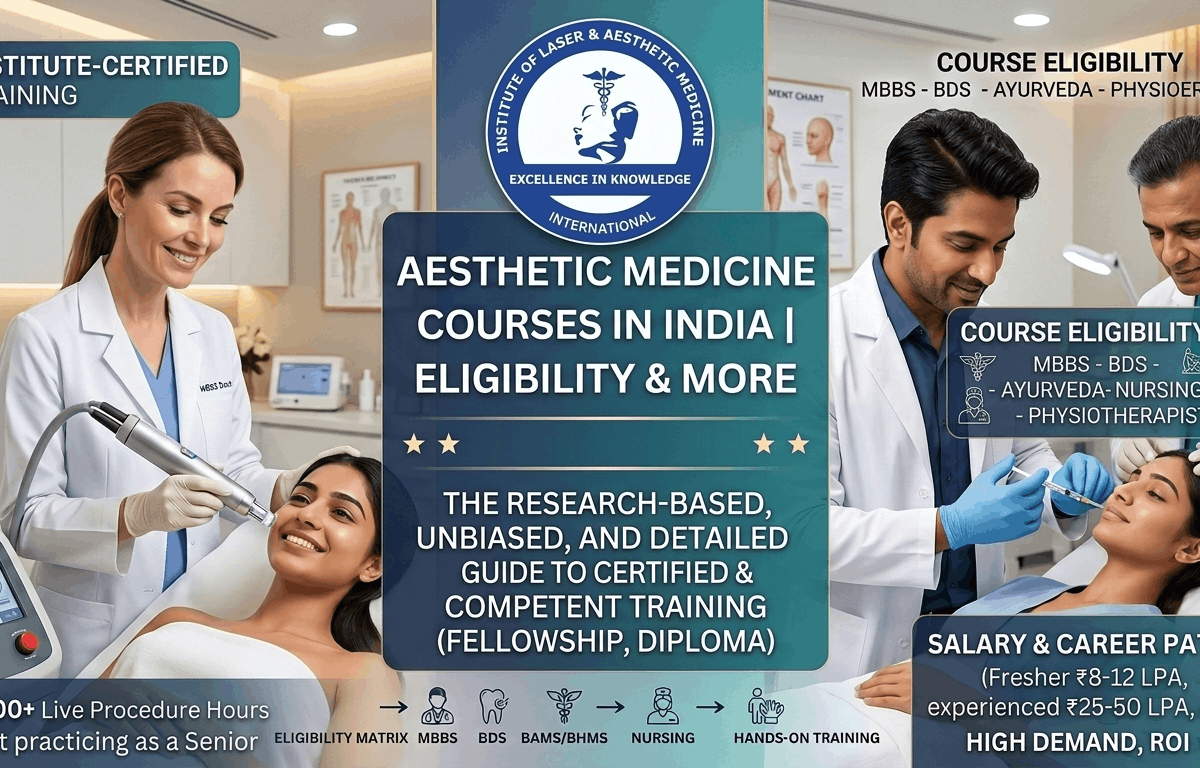
Aesthetic Medicine Courses

Learning the Art of Aesthetic Medicine: Investigating Aesthetic Medicine Courses in Dubai

Aesthetic medicine is a rapidly evolving subspecialty-one that merges art with medicine. It is the broad universe of nonsurgical interventions and procedures for enhancing one’s physical appearance, confidence, and thus quality of life. As more demand arises for aesthetic treatments, so too is there an even greater necessity for capable, informed practitioners. The Fellowship in Aesthetic Medicine is one of the optimal ways that can prepare trainees to become experts in this field.

Significance of Acquisition of Non-Invasive Treatments

In Aesthetic Medicine, the delivery of treatments like Botox and dermal fillers is becoming a necessary skill. These treatments provide an instant effect with no, or at least very little, downtime; therefore, the patients are asking for them. Safety and efficacy in the education of such treatments are the top priorities for any healthcare practitioner who wishes to be at the top of the game. Botox is a neuromodulator; it temporarily blocks nerve impulses, which assists in diminishing the visibility of dynamic wrinkles, whereas dermal fillers replace volume to erase facial creases. Proficiency in these procedures not only adds to a practitioner’s repertoire but also significantly contributes to enhancing patient satisfaction and results.

Objectives of Aesthetic Medicine Courses

The goals set for the Aesthetic Medicine Courses are as follows in making medical practitioners the best in this fast-paced field:

  • Training of Registered Medical Practitioners: This course should be used to train registered medical practitioners in aesthetic medicine and make them the Best Doctors in Aesthetics.
  • Development of Knowledge and Competencies: This program in aesthetic medicine would provide knowledge, skills, and techniques to the medical professional.
  • Practical Exposure: It would provide participants with hands-on practical experience in treating actual patients with the latest treatments and materials in vogue.
  • Patient Safety: The course includes new techniques for the treatment of routine aesthetic conditions, keeping patient safety and the medical standards at their top priority.
  • Skin and Cosmetic Issues: The treatment of skin and cosmetic issues in this fellowship program has been directed towards a more holistic way, seeking enhancement, rejuvenation, and restoration.
  • Specifically, Symmetry and Proportions: The trainees learn the important analyses of the factors of symmetry and proportion for optimal aesthetic result.
  • Protocols and Ethics: The procedures that must be complied with, the clinical practice guidelines, and ethical principles that must be adhered to in aesthetic medicine are part of this program.

Training Methods

Fellowship in Aesthetic Medicine is the postgraduate training making use of various methods for proper learning:

  • Hands-on Tutorials: The program offers a clinically focused hands-on tutorial to give optimal exposure of scientific, clinical, and industry information to the medical practitioner required to introduce non-invasive aesthetic procedures into their practice.
  • Learning from the Best Professors: Participants are taught by highly experienced professors who will be performing techniques on actual patients. This allows the audience to equate theoretical knowledge with reality for enhanced learning.
  • All Levels: From the aesthetic medicine beginner to someone with a little more experience, this fellowship is an excellent scenario for both because the information can be applicable to each of them.
  • Preparation for Private Practice: The Aesthetic Medicine Fellowship provides physicians with thorough knowledge regarding all the steps of aesthetic medicine from establishing practice to acquiring competency and knowledge in treating patients with complete confidence.

Aesthetic Medicine Courses for Doctors in Dubai

Dubai contains a number of well-known institutions providing Aesthetic Medicine Courses for Doctors. Some of these include:

  • ILAMED’s Fellowship in Aesthetic Medicine (FAM): The comprehensive aesthetic medicine course, from basic to advanced levels, with rigorous hands-on training. Doctors will be prepared to dive into instant aesthetic medicine practice with this course.
  • Fellowship in Aesthetic & Anti-Aging Medicine: Offered by the ICAM Institute, this course educates a medical professional in aesthetic medicine, anti-aging treatment, advanced procedures, anti-aging therapies, and the holistic approach towards skin rejuvenation.
  • Online Fellowship in Aesthetic Medicine: Offered in the Indian Institute of Aesthetic Medicine, thereby allowing a candidate with online learning pattern and hands-on practice sessions with better exposure to advanced and basic aesthetic procedures.
  • Fellowship in Cosmetic and Aesthetic Medicine: Most universities provide this postgraduate program that is advanced and focuses primarily on cosmetic procedures and non-surgical aesthetic treatments so that the health professional will be well-equipped with theoretical knowledge and practical skills.

Career Avenues Open After the Courses in Aesthetic Medicine

A medical professional can obtain a number of career paths after finishing their Courses in Aesthetic Medicine. A few of the career paths that a candidate can pursue are:

  • Cosmetic Clinics: There are special aesthetic clinics that provide a variety of cosmetic treatments for which the graduates can work.
  • Dermatology Centers: Dermatology centers can also specialize in skin-related aesthetic treatments.
  • Plastic Surgery Practices: Besides private practices, in general, fellowship graduates work under plastic surgeons in collaboration for even better outcomes of patients.
  • Private Practice: Most practitioners want to start their own private aesthetic medicine clinics and provide personalized aesthetic medicine procedures.
  • Research and Academia: Most of them will work in research or teaching and become contributors to the evolution of aesthetic medicine.

Conclusion

In a global economy where aesthetic medicine is one of the emergent new areas, undertaking a Course in Aesthetic Medicine could be a life-changing experience for medical professionals wishing to gain expertise in this exciting and rewarding branch of medicine. Systematic training alongside practical experiences and ethical learning can make an enormous difference in patients’ lives. Assisting the patient in achieving his or her desired aesthetic outcome while fostering health and well-being will indeed enable the graduate fellow to be a success in the art and science of aesthetic medicine.

As the demand for aesthetic procedures grows, aesthetic medicine is highly promising, and those who commit to their education by means of fellowships will be highly positioned to be leaders in this exciting field. These Aesthetic Medicine Courses for Doctors will provide practitioners with proper skills, along with confidence to perform the multiple complexities of aesthetic treatments while maintaining patient safety and satisfaction. In fact, aesthetic medicine continues to find its place with technology and patient care; therefore, a properly trained practitioner can contribute to the future of this thriving category.

Aesthetic Medicine

Advances in Aesthetic Medicine: Complete Guide for Doctors

Aesthetic medicine now is dramatically different from what it used to be, utilizing new technology and latest techniques to enhance cosmetic appearances as well as other clinical problems. Aesthetic medicine now is the subject of this article, and how and why the advances can be utilized to the advantage of medical students to enhance the understanding of the specialty. A few procedures will be covered, the role of Aesthetic Medicine Courses, and how they will transform future practitioners.

Understanding Aesthetic Medicine

Aesthetic medicine is a range of treatments to improve physical looks through non-surgical or minimal surgery techniques. Treatments used include Botox injections, dermal fillers, laser therapy, and skin rejuvenation. The use of aesthetic medicine is on the rise because it has the ability to improve self-esteem and mental status in addition to the treatment of skin conditions.

Key Advancements in Aesthetic Medicine

  • Ultrasonic Rhinoplasty: This is one of the latest procedures, ultrasonic rhinoplasty being a method with the use of application of ultrasonic technology to shape the nose delicately. More safely and more beautifully than in the ways of yesteryear, this has been a wondrous leap forward in nose surgery.
  • Artificial Intelligence in Skin Analysis: Artificial intelligence is changing aesthetic medicine by providing deeper information about the health of skin. It adjusts to treatment procedures that are specific to patient conditions for better overall outcomes.
  • Regenerative Medicine: The most recent breakthroughs in regenerative medicine include the application of stem cells and growth factors to improve the quality of skin and restore tissue function. Not only does this provide greater aesthetic benefit, but also cures underlying medical disease.
  • Non-surgical Therapies: The requirement for non-surgical therapies is always on the increase, and energy-based technology is ever on the increase too. These therapies minimize complications and recovery time but give outstanding results.
  • Skin Microbiome Research: The significance of the skin microbiome in overall dermatological well-being is also taking on a growing importance. Such research is transforming treatment protocols and product formulation for aesthetic clinics.

Requirement for Aesthetic Medicine Courses

For those medical students who are interested in this exciting field, Aesthetic Medicine Courses for Doctors are a must. These courses impart basic knowledge and practical skills required to perform aesthetic procedures safely and effectively.

  • Aesthetic Medicine Courses for Doctors: For doctors, the courses give them advanced training in procedures such as injectables, lasers, and patient management skills. They emphasize ethical practice and patient safety and ensure that clinicians are properly equipped to perform to patient expectations.
  • Aesthetic Medicine Courses: Various courses on various subjects of aesthetic medicine, including dermatology, plastic surgery, and cosmetic treatments, are provided by various institutions today. Institute of Laser & Aesthetic Medicine (ILAMED) is a well-known institute that provides detailed training courses that prepare the students for their future professional prospects in this field. Practical training from professionals is integrated in the majority of these programs, providing the students with a chance to gain hands-on experience as well as theoretical experience.

Answering Most Frequently Asked Medical Student Questions

Medical students tend to be overwhelmed with questions regarding aesthetic medicine:

What are My Career Opportunities?

There are many career opportunities provided in aesthetic medicine in the practice form of cosmetic dermatologists, plastic surgeons, or aesthetic medicine practitioners in spas and clinics.

How can I Ensure Patient Safety?

Ethical codes and safety precautions for patients are emphasized through rigorous training in accredited Aesthetic Medicine Courses for secure practice.

What is the New Trend?

Being up to date with such trends as AI technologies and regenerative medicine is vital to providing on-the-edge care.

How do I Make Aesthetics a Part of My Practice?

There are numerous medical professionals who integrate aesthetic treatments as part of their practice to enhance patient satisfaction and services.

The Role of Technology in Aesthetic Medicine

Technological advancements are the key to shaping the future of aesthetic medicine. Technological advancements like AI-based diagnostics and sophisticated laser technologies are improving the effectiveness of treatments and minimizing risks related to traditional methods. The use of technology not only makes procedures easier but also improves patient outcomes by allowing for more individualized regimens of care.

AI-Driven Diagnostics

The use of artificial intelligence in Aesthetic Medicine has totally transformed the consultation process. The new clinics make use of advanced AI systems capable of performing high-resolution scans of the face, tracking from the level of collagen to the texture of the skin with great accuracy. These are not mere surface scans but give predictive analysis of the treatment and aid practitioners in devising highly tailored treatment plans.

Regenerative Medicine

Regenerative medicine is a cornerstone of modern aesthetic treatments with solutions that complement nature’s own repair processes. Stem cell therapy leads the pack, using the patient’s own cells to rebuild and restore tissues. It is very effective in restoring the elasticity of the skin and promoting hair growth

Trending Treatments in 2025

The era of aesthetic medicine has witnessed unprecedented transformations, with several new treatments becoming increasingly prominent:

  • Profhilo Structura: A synergistic hybrid complex of high and low molecular weight hyaluronic acid for improved tissue remodeling.
  • Polynucleotides: Advanced treatments that stimulate skin rejuvenation.
  • Secret PRO: Combines RF microneedling with CO2 laser technology for complete-spectrum skin treatment.
  • Alluzience: Europe’s first ready-to-use liquid botulinum toxin A.
  • Lanluma: Advanced collagen stimulator using Poly-L-lactic acid microspheres.
  • UniverSkin: Personalized skincare system utilizing specially formulated serums based on detailed skin analysis.

Conclusion

The aesthetic medicine business is evolving at a rapid rate with the support of technology and increasing needs for non-surgical treatments. Students who are interested in pursuing a career as an aesthetic medicine professional should study aesthetic medicine so that they can gain the skills and knowledge required to succeed. With the business further expanding, being in touch with the latest concepts and trends will be more vital for professionals in the future.

By remaining cognizant of such advancements and correspondingly being trained by the likes of ILAMED, medical students can position themselves favorably in this newly emerging field and make a positive impact on patients’ care and satisfaction. Professional career development in aesthetic medicine is as much a matter of professional growth as it is of having the ability to positively impact individuals’ lives in terms of self-image and well-being.

To 2025 and beyond, the future is evident with the inclusion of aesthetics alongside technology-driven solutions offering customized care. To future physicians who want to join the field through intensive Courses in Aesthetic Medicine, the prospect is boundless and motivating on a personal as well as professional level in helping to provide patients’ desired aesthetic outcome as well as develop more knowledge regarding the whole health and well-being dimension.

Aesthetic Medicine

Unsealing the Future of Beauty: An Aesthetic Medicine Fellowships Guide

Technology and cutting-edge techniques have changed the world of cosmetic therapies altogether in the dynamically developing area of Aesthetic Medicine. For all those budding medical graduates who are looking to become medical professionals, a Fellowship in Aesthetic Medicine is a wonderful career option wherein one can apply the art and the science together to make the patients happier with their appearance. This essay discusses the history of Aesthetic Medicine and how such treatments fix some medical conditions, particularly in the area of possibilities in India.

Introduction to Aesthetic Medicine

Aesthetic Medicine is a developing clinical speciality that applies minimally invasive aesthetic treatments in order to enhance the aesthetic contentment of the patients. The procedure is now no longer purely performed by dermatologists and plastic surgeons since there are many other specialities that now start offering aesthetic medical treatments subject to the preference of the patients. The treatment is expanding with a very quick pace based on technological advancements as well as pressure from society towards aesthetic treatment. Thus, Aesthetic Medicine Courses in India are becoming popular and provide a complete training program to the future practitioners.

Advancements in Aesthetic Medicine

Some of the latest advances in Aesthetic Medicine are newer dermal fillers, lasers and minimally invasive procedures that have made cosmetic surgery safer and more efficient and allow practitioners to provide personalised treatment to patients requiring aesthetic enhancement. For instance, advanced laser therapies can now correct skin rejuvenation and body contouring with lesser downtime and therefore are very much in demand by patients.

How will the aesthetics be in 2025? AI-Powered Personalised Aesthetic Plans We’ll be able to customise treatment plans based on skin type and needs, thanks to AI-powered facial analysis software that can quantify skin texture, elasticity, and symmetry with a level of accuracy never before possible. With this information, aesthetic practitioners will be able to create treatment plans that achieve the best results with minimal guesswork. Non-Invasive Skin Lifting and Tightening Radio frequency and ultrasound therapy are the treatments of choice for non-invasive skin lifting and tightening, without the requirement for downtime and encouraging the natural production of collagen. This will allow space for incremental, progressive improvement in skin tightness and texture.

Fellowship in Aesthetic Medicine: A Path to Expertise

Aesthetic Medicine fellowships train all aspects of aesthetic procedures like botulinum toxin, dermal fillers, and lasers. Fellowships provide physicians with extensive knowledge and procedural competence to practice as specialists. Core areas of training are always part of a curriculum that addresses facial anatomy, cosmetic injectables, and advanced skin rejuvenation processes. After completing an Aesthetic Medicine fellowship, physicians can begin successful careers as private practitioners, medical spas, or in an academic environment.

Aesthetic Medicine Training in India

There are many Aesthetic Medicine Courses offered in India that meet the increasing demand for aesthetic practitioners. The courses offer comprehensive knowledge and practical experience to help healthcare practitioners build successful careers in aesthetic medicine. Some institutions, like ILAMED, offer long fellowships to prepare doctors to practice Aesthetic Medicine immediately. The courses design the aesthetic treatment future in India so that practitioners can handle the new technologies and techniques efficiently.

Career Prospects and Impact

After graduation with a Fellowship in Aesthetic Medicine, one can choose to practice either in private clinics, medical spas, or academic institutions. Graduates can build successful aesthetic clinics or pursue path-breaking research and make a great difference in the lives of patients. Demand for non-surgical aesthetic treatments by patients drives the growth of the field, and hence the future looks promising for the practitioners. Since the business continues to grow, Aesthetic Medicine Courses in India will help meet this need.

New Trends and Technologies

  • Longevity & Biohacking – Longevity and well-being therapies – General health and well-being therapies – Biohacking technologies such as epigenetic analysis and hormone profiling – Health and well-being versus cosmetic enhancement Regenerative Aesthetics – Cutting-edge regenerative aesthetics based on the body’s natural repair processes – Platelet-Rich Plasma (PRP) and stem cell therapy to restore skin – Platelet-Rich Plasma (PRP) to stimulate hair growth
  • Micro-Tweaks and Hydration- Boosting Treatments. Everything about enhancement and health of the skin, micro-tweaks rejuvenate and fresh-faced-looking faces without being too much, and hydration treatments such as hyaluronic acid-based injectables and IV hydration therapy enhance elasticity and fight environmental damage. Exosomes may also be a new-wave skin booster, increasing collagen production and aiding in skin regeneration.

Integration of Wellbeing and Aesthetics

There is growing awareness of the interconnectedness of beauty and total health. There is a trend among clinics to offer overall services combining aesthetic treatments with wellness programs like nutritional support and mental wellness. This broader outlook responds to clients seeking complete solutions for their beauty and health concerns. As the industry shifts, wellness and longevity will define the future of Aesthetic Medicine.

Conclusion

Overall, undertaking a Fellowship in Aesthetic Medicine is a smart decision for medical students who wish to pursue this lucrative career. By emphasising practice-based learning and innovation, a fellowship not only contributes to professional expertise but also enhances Aesthetic Medicine as a speciality area. With increasing demand for cosmetic treatment, Aesthetic Medicine Courses in India will also play a key role in directing the future of the industry. With these opportunities, future practitioners can fulfill their dreams and make a lasting impact on the lives of their patients. The future of Aesthetic Medicine is bright, and those who choose to pursue it will be at the forefront of innovation and patient care.

Aesthetic Medicine

Aesthetic Medicine: Road to a Prosperous Career

Aesthetic medicine is a branch that is fast pacing ahead to improve the looks of individuals by way of several medical interventions. Aesthetic procedures have increased in popularity, and along with them comes the urgent necessity of trained personnel who can adequately address this boom. This paper will discuss why Aesthetic Medicine Training is important, what ILAMED has to offer, and how potential practitioners may gain from the more extensive courses offered.

Importance of Aesthetic Medicine

Aesthetic medicine refers to the treatments provided in the field, which improve the cosmetic appearance of an individual. Such treatments can be no-invasive injections like Botox and dermal fillers, laser procedures, or rejuvenating creams applied to the skin. This market is unprecedented in growth due to increasing consumer awareness about enhancements available for cosmetic purposes. Reports on industry indicate that by 2025, this market would eventually break $200 billion and reflects one of the most major trends which is targeting aesthetics.

Why Train in Aesthetic Medicine?

The training in aesthetic medicine equips the healthcare professional with the vital knowledge and expertise required for competitive conditions. Some of the important trainings, under such courses, are:

  • Knowledge of Facial Anatomy: Facial anatomy knowledge is essential in order to implement the procedure perfectly because the aesthetics of the patient includes safety and easy execution.
  • Fundamental knowledge of skin care: This is the major learning for a practitioner regarding fundamental skincare principle while prescribing the treatment accordingly
  • Practitioners will achieve satisfactory results only when they master the technique correctly along with proper education

About ILAMED: One of the Very First Aesthetic Medicine Education Centers

The Institute of Laser and Aesthetic Medicine is famous for offering state-of-the-art training facilities in aesthetic medicine. ILAMED, which was established more than 22 years ago, has so far trained over 300,000 healthcare professionals around the world. In offering courses that meet the needs of both starters and experienced ones, the institute covers a very broad range.

ILAMED: Aesthetic Medicine Courses

ILAMED offers several Aesthetic Medicine Courses to suit your level of experience:

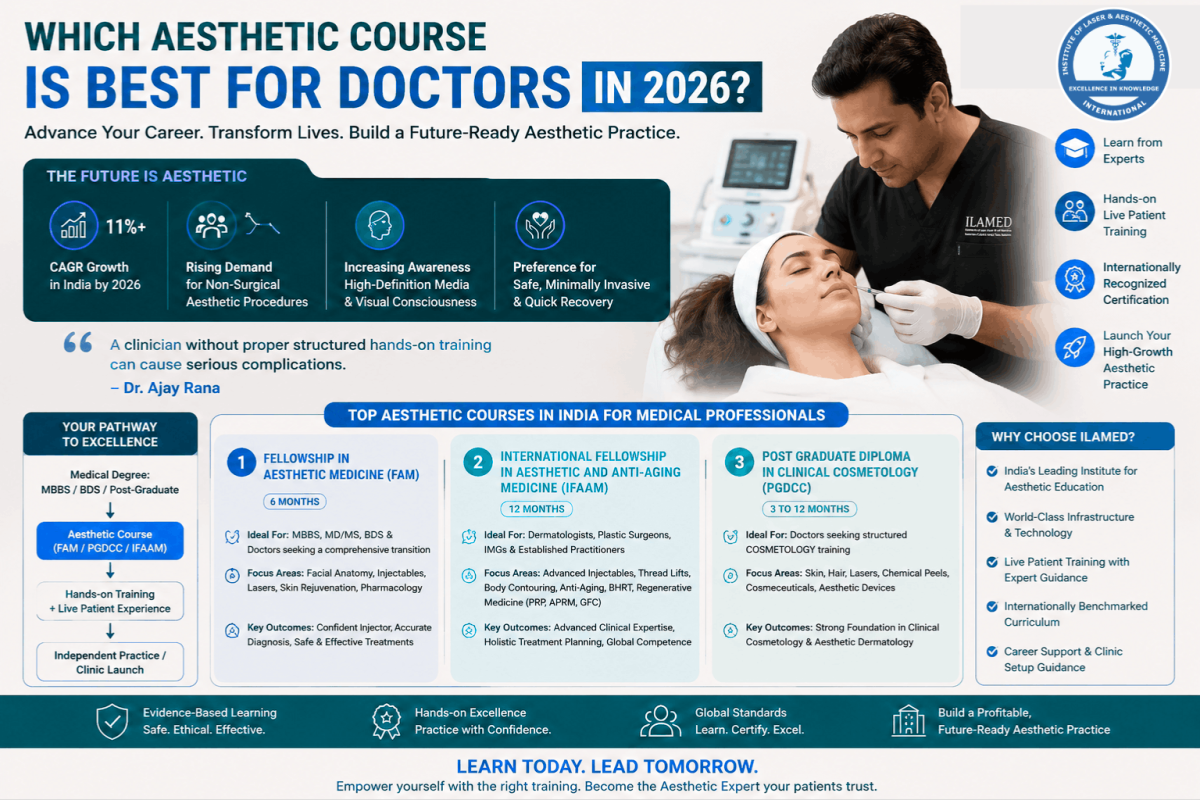
  • Fellowship Programs: An example is the Fellowship in Aesthetic Medicine (FAM), a comprehensive training course comprising foundational and advanced modules in aesthetic medicine. The six-month training session offers students expertise in both live interactive sessions and practical work experiences with clinicians.
  • Diploma Courses: The PG Diploma in Clinical Cosmetology is a course that provides the student with an all-round education in cosmetic/aesthetic procedures. It trains students in critical areas like chemical peels, microdermabrasion, and advanced techniques in skincare.
  • Master’s Programs: Master’s programs such as the M.Sc. in Aesthetic Medicine and Surgery are aimed at equipping students with leadership skills in the industry. This program is research and clinical practice-based, and the graduate will be well-equipped with the skills needed for innovation in aesthetic treatments.

Comprehensive Curriculum

ILAMED’s curriculum covers a wide range of aesthetic procedures, including:

  • Injectables: Techniques in the administration of Botox and dermal fillers.
  • Laser Treatments: Several technologies available for cosmetic use.
  • Skin Rejuvenation: Enhancement of skin quality and aesthetics.

The overarching approach will educate students on each treatment and where it fits within holistic patient care.

Hands-On Training at ILAMED

Probably among the most compelling strengths of programs from ILAMED, it strongly provides hands-on experience. Student’s practical exercise comes in the midst of expert teaching which allows theory into practice or practically applies for realistic scenarios for an aesthetic operation that will leave him confident of their skills.

ILAMED has some of the best and most qualified lecturers that carry much experience to the classroom. Some of these lecturers have managed to make several courses where Dr. Ajay Rana teaches and ensures personal guidance of the students. He has vast expertise that is very crucial for aspiring practitioners to make skills and knowledge for their challenges. 

Career in Aesthetic Medicine

It is through the several programs ILAMED offers that its graduates get to practice in various multiple avenues of Aesthetic Medicine:

  • Aesthetic Physician: A doctor who specializes in nonsurgical aesthetic procedures.
  • Cosmetic Dermatologist: Dermatologists specializing in cosmetic-related procedures to the skin
  • Plastic Surgeon: Surgeons with reconstruction and aesthetic surgical services
  • Trichologist: An expert specializing in hair.

The flexibility of training at ILAMED opens up various opportunities in clinical and cosmetic settings. Graduates usually get employment in private clinics, hospitals, or even start their own practices.

Increasing Demand for Professionals in Aesthetic Medicine

The rising numbers of aesthetic treatments are causing an increasing demand for skilled professionals globally. More informed consumers, educated about their choices, turn to the treatment rooms of experienced practitioners to seek safe and effective care. Therefore, it also signifies that a program as all-encompassing as that by ILAMED is very much necessary.

According to the new surveys, it shows that around 70% of those aged between 18-34 are interested in carrying out any form of cosmetic treatment at some point in their lives. Therefore, there is a growing demand that requires qualified personnel.

Networking Opportunities

ILAMED also motivates its graduates to network with each other, which can further lead to future collaborations in the industry. Events and online forums are also held to share experiences and insights between graduates, enhancing their professional development. A robust professional network can lead to mentorship opportunities, job placements, and collaborations on innovative projects in aesthetic medicine.

Conclusion

Aesthetic Medicine offers an area full of enthusiasm with regards to scope for medical innovativeness as well as enormous potential and prospect. Under such aspects, ILAMED works a lot as well in fostering new practitioners to have complete expertise where aesthetic medical course incorporates elaborate, complete hands-on training curriculums together with theoretical training so that being associated with an ILAMED educational venture would be an effective initiation move into success to begin a medical professional career among students interested.

By choosing to train with ILAMED, you are not only investing in education but also in your own future as an accomplished practitioner who can meet the expectations of a rapidly changing industry. With hands-on learning on focus, the graduates of ILAMED are equipped to succeed with distinction and contribute to patient care delivered through aesthetic medicine.

Aesthetic Medicine

Exploring Aesthetic Medicine: An All-Inclusive Guide to ILAMED Courses

Aesthetic medicine is a field that deals with the improvement of people’s appearance through various non-invasive and minimally invasive procedures. It is a field that combines art and science in order to beautify while being safe and satisfactory for patients. With the ever-increasing demand for aesthetic treatments, many healthcare professionals are looking for Aesthetic Medicine Courses to expand their skills. ILAMED is one of the most distinguished institutions providing this training with world-class training sessions.

What Is Aesthetic Medicine?

Aesthetic medicine refers to a number of treatments aimed to improve an individual’s aesthetic value. It focuses on addressing an array of skin-related issues that include wrinkles, skin sag, scars, and uneven tone, among others. Some of these well-known procedures include:

  • Botox Injections: They reduce wrinkles by temporarily relaxing the facial muscles.
  • Dermal Fillers: These are injectable substances that add volume to areas of the face, smoothing lines and contours.
  • Chemical Peels: Treatments help in improving skin texture and tone through the application of a chemical solution that removes the outer layer of dead skin.
  • Laser Treatments: Lasers can be used to treat several skin problems, including pigmentation problems, acne scars, and hair removal.

Aesthetic medicine is the surgery designed to enhance beauty while maintaining a natural look; hence it has been gaining popularity in patients seeking cosmetic improvements.

Importance of Education in Aesthetic Medicine:

More trained professionals are greatly needed in an aesthetic medicine world that is now booming. For successful treatments, such Courses in Aesthetic Medicine are more than necessary and play a highly important role by equipping these practitioners with needed skills and information. These range from anatomy and pharmacology up to patient assessment and hands-on training in almost all procedures done.

ILAMED: The First Choice for Professional Aesthetic Medicine Courses

The Institute of Laser & Aesthetic Medicine is well-known for its Courses in Aesthetic Medicine. Founded over 22 years ago, ILAMED has so far trained over 300,000 doctors globally, making it one of the most prominent educational institutions for aesthetic medicine. ILAMED offers various courses that can be taken up by healthcare professionals to specialize in aesthetic practices.

Key Courses

Courses offered at ILAMED

  • PG Diploma in Clinical Cosmetology (PGDCC): It is a solid foundation in clinical cosmetology. It deals with the skin anatomy, treatment protocols, and patient management.
  • Fellowship in Medical Cosmetology (FMC): This fellowship is for medical professionals. It mainly deals with advanced techniques in aesthetic treatments, such as injectables and laser therapies.
  • International Fellowship in Medical Cosmetology (IFMC): This is an international programme that provides training in medical cosmetology based on international standards and practices.
  • M.Sc. in Aesthetic Medicine and Surgery (MAMS): This is a two-year course that deals with advanced aesthetic techniques and surgical interventions for qualified medical practitioners.
  • DALM -PG Diploma in Aesthetic Laser Medicine: It encompasses laser treatment usage within aesthetics with various types of trainings available along with laser technology.
  • PG Diploma in Cosmetic Gynecology: Cosmetic gynecology encompasses all newer methods to address issues for feminine patients; PG Diploma empowers a practitioner.
  • MHA- A Hair Transplantation Masters course: An immersive experience of intensive hair restoration work.
  • Basic Cosmetic Laser Sciences Certificate Course: A certificate course that aims to equip novice professionals with an introduction to laser technology in aesthetic procedures.

Structure and Benefits of the Courses

The courses by ILAMED comprise a mix of theoretical modules accompanied by hands-on practice. In these sessions, students are exposed to various procedures on models to perform them efficiently and safely.

Advantages of Attending Courses by ILAMED

Advantages of attending the courses at ILAMED include

  • The course offers a comprehensive overview of aesthetic medicine, ensuring that the graduate is a well-rounded practitioner.
  • Practical training is important; they acquire confidence by performing procedures under expert supervision.
  • Networking opportunities: Enrolling allows participants to mix with professionals and peers.
  • A course can be completed in order to enhance career potential by making them qualified practitioners.

Conclusion

Aesthetic Medicine is the fascinating cross-section of art and science, where a medical professional can expand their skill set and have many options. ILAMED offers a variety of courses: from comprehensive diplomas to fellowships in specializations. As the demand increases for skilled practitioners who can ensure safe and effective treatments, pursuing education through these courses can lead to rewarding career opportunities in aesthetic medicine.

Whether just starting or looking to refine skills, the time that will be invested in the discovery of aesthetic medicine through institutions like ILAMED will surely be worthwhile as one gets deeper into this rewarding path.

Aesthetic Medicine

Tides of Aesthetic Medicine: Exploring Fellowship Options at ILAMED

This field enhances appearance through non-invasive as well as minimally invasive methods in Aesthetic Medicine. This has a burgeoning trend these days where, apart from Botox, dermal fillers, laser therapies, and several skin rejuvenation techniques can be included. The desire of people to look good puts a greater demand on good practitioners who can provide a safer and more effective aesthetic treatment.

Understanding Aesthetic Medicine

Aesthetic Medicine brings a healthy and fit look to its patients, unlike cosmetic surgery that sometimes uses invasive procedures, so there are longer periods for recovery. On the other hand, Aesthetic Medicine employs methods that are more minimal so there is a faster period of recovery and lesser risks involved. That’s why aesthetic treatments became much more accessible to all sorts of people, whether males or females, whatever their age.

In general, procedures in Aesthetic Medicine are carried out in outpatient settings, so a patient can resume his or her normal life almost immediately. Nevertheless, many preferred cosmetic treatments in Aesthetic Medicine are injectable types for wrinkles and hyaluronic acid fillers for facial filling, respectively. Nowadays, laser therapies are already commonly used for skin resurfacing and hair removal, among many more uses for the treatment. All of these technological advancements have thus brought greater outcomes without calling for major surgeries.

Techniques and Procedures in Aesthetic Medicine

Aesthetic Medicine involves various techniques formulated for beautification and treating different cosmetic problems. The most popular treatments in this line include:

  • Botulinum Toxin Injections: Known to most people by the brand name Botox, these injections soften wrinkles and lines by temporarily paralyzing the facial muscles.
  • Dermal Fillers are injectable substances that would add volume to areas such as the cheeks and lips, thus evening out wrinkles and restoring youthful contours.
  • Chemical Peeling: Non-invasive procedures enhancing the texture and color of skin using certain chemical solutions.
  • Laser Treatments: Utilizing advanced laser technology to address specific skin concerns, such as acne scars, age spots, and unwanted hair, through procedures like laser hair removal.
  • Microdermabrasion. Just what rubbing entails: removal of dead skin for a fresh look.
  • Non-Surgical Facelifts: Techniques such as thread lifts and radiofrequency treatments literally lift and tighten the skin without an invasive touch of surgery.

Such procedures enable the person to enhance his or her natural beauty by correcting such specific issues as sagging of wrinkled skin, decreased facial volume, or hair loss.

The Increasing Demand for Cosmetic Treatments

The demand for Aesthetic Medicine Courses in India and worldwide is going up, and India is no exception. The factors causing this trend are the raised awareness about aesthetic options, the influence of social media showcasing beauty standards, and shifts in culture towards self-care and personal grooming. As people increasingly aspire to improve their look for personal satisfaction or to gain professional benefits, so does the need for a qualified practitioner.

The market for Aesthetic Medicine Courses in India will grow significantly over the next coming years. It finds stimuli in the younger generation with more flexibility towards cosmetic beautification and emerging middle-class members with savings in their wallet. As such, an urgent need emerges for the effective training of a professional class able to successfully and safely practice these operations.

Relevance of Aesthetic Medicine Courses in India

To meet this increasing demand, many educational institutions have been offering specialized Courses in Aesthetic Medicine. It equips healthcare professionals with the skills to deliver a variety of aesthetic procedures; hence, these courses offer crucial topics like patient assessment, treatment planning, and post-procedure care.

There cannot be more relevant learning modules than Aesthetic Medicine Courses in India. The courses endow the practitioners with the essentials but prepare them to wade through the aesthetic and regulatory complexities of the aesthetic practices. The courses have a significant component of hands-on training wherein participants can get hands-on experience under expert guidance. So, the theory in practice ensures that candidates graduate well-equipped for taking on the workforce.

Academic Quality at ILAMED

ILAMED, the Institute of Laser & Aesthetic Medicine, is a premium standalone training facility offering Aesthetic Medicine Training Courses to specialists with its exclusive FAM program-Fellowship in Aesthetic Medicine it offers for medical specialists reaching for an understanding and the masteries of aesthetic procedure.

Key Features of the Fellowship in Aesthetic Medicine

  • Comprehensive Curriculum: This FAM course covers virtually every subject based on Aesthetic Medicine that the practitioner should be aware of.
  • Active Learning Environment: Learners participate in real-time sessions that encourage interaction with expert faculty and peers.
  • The practice training forms a major chunk of the program in which all of these students can put the theories learned into practical use in a real-world environment.

Course Description and Syllabus

Six months duration is offered by ILAMED in Aesthetic Medicine that combines theoretical as well as practical teaching:

Curriculum Overview

General Information

  • Introduction to Esthetic Medicine
  • Aesthetic Anatomy and Facial Analysis
  • Patient Consultation Techniques

Complex Operations

  • Injectable Treatments (Botulinum Toxin, Dermal Fillers)
  • Laser Treatments for Skin Rejuvenation
  • Chemical Peels and Skin Resurfacing

Clinical Practice

  • Hands-on experience on patients under live conditions
  • Management of complications related to aesthetic procedure
  • Ethical issues in aesthetic practice

Capstone Project

  • They will execute a project which shall find embedding of their learning in practice, in the field.

Accreditation

The fellows will be issued with a certification after the Fellowship in Aesthetic Medicine, which will enhance their CV and further create doors to career paths in the aesthetic field.

Conclusion

This is an important step through which doctors can specialize in such a highly dynamic field. The curriculum encompasses the whole gamut of extensive and practical training that emphasizes ethics. ILAMED produces graduates to fill the rising demand for aesthetic practitioners in India. With the growth of the industry, enrollment in this fellowship will bring one not only advanced skills but also the path to a rewarding career in Aesthetic Medicine. Future prospects are bright for entrants in this field where continuous improvement in technology and techniques can help practitioners provide innovative treatments to their clients while meeting their desired results. Thus, ILAMED’s Fellowship in Aesthetic Medicine places aspirants at the cutting edge of this exciting industry.

Aesthetic Medicine Courses

Aesthetic Medicine: The Transformation of Beauty Through Science

Aesthetic Medicine has emerged as a fast-growing field that combines the art of beauty with the precision of medical science. The growing need for non-invasive and minimally invasive cosmetic treatments increased the demand for qualified and skilled Aesthetic Medicine practitioners in various parts of India. This is a development that resulted from the spurt in institutes focusing on comprehensive Aesthetic Medicine Courses and training programs.

One is ILAMED, Institute of Laser & Aesthetic Medicine, which has provided leadership in Aesthetic Medicine education for over two decades. ILAMED offers a large array of Aesthetic Medicine Courses, cosmetology, surgery, gynecology, and dentistry and caters to licensed cosmetologists, physicians, surgeons, and dentists who aim to explore and achieve scientific excellence in these arenas.

Aesthetic Medicine Procedures: In-Depth Overview

Aesthetic Medicine is the technique that is created with a wide variety of treatments to enhance physical appearance, improve the quality of the skin, and increase general patient satisfaction. There are three broad classifications for these techniques: noninvasive, minimally invasive, and invasive. Subsequently, further details on each procedure.

Non-Invasive Procedures

1. Chemical Peels

  • Description: A chemical solution is applied to the skin, rendering it to exfoliate, and finally, peel off.
  • Advantages: It smooths and unifies the texture and pigment, melting more fine lines, pimples scars, and pigmentation issues.
  • There are superficial (shallow), medium, and deep peels, depending on the required result and the condition of the skin.

2. Laser Treatments

  • Definition: There are various lasers that target specific issues with your skin.
  • Applications: It can be utilized to address sun damage, age spots, wrinkles, and uneven skin tone. Laser Hair Removal also presents one of the very common applications.
  • Types: Ablative lasers remove layers of the skin, and non-ablative lasers stimulate collagen in a non-destructive way to the surface.

3. Intense Pulsed Light (IPL)

  • Description: Works by using the broad spectrum of light to address a number of different skin conditions.
  • Benefits: This treatment works well for tightening, reduction of redness and other pigmentary conditions, plus improving the overall feel of the skin.
  • Mechanism: IPL is released in pulses of light that penetrate into the skin. There, this light stimulates collagen build-up.

4. Microdermabrasion

  • Description: A non-invasive mechanical exfoliation which entails the removal of dead cells that is performed using fine crystals or an end diamond-tipped wand.
  • Benefits: It softens the skin texture, reduces fine lines and pores, and allows for more product penetration .
  • Procedure: A series of sessions are usually recommended to achieve the most optimal results.

Semi-Invasive Procedures

1. Botulinum Toxin Injections (Botox)

  • Description: Injects a purified protein into specific facial muscles paralyzing them for a period.
  • Benefits: This reduces the appearance of dynamic wrinkles, crow’s feet and frown lines.
  • Longevity: Effects are usually seen after a period of 3-6 months before further treatment is needed.

2. Dermal Fillers

  • Definition: Liquids for injection that replace lost facial volume and fullness.
  • Benefit: Removing mild wrinkles. Replacing lost facial contours in the cheeks and lips. May enhance depressed scars.
  • Types: Hyaluronic acid fillers (Juvederm, Restylane), collagen stimulators (Sculptra), calcium hydroxylapatite fillers (Radiesse).

3. Thread Lifts

  • Description: It introduces dissolvable threads under the skin to lift sagging areas.
  • Benefits: It provides immediate lifting effects with minimal downtime and will over time promote collagen production.
  • Procedure: The insertion of the threads is strategically placed in targeted areas-such as the cheek or jaw line.

Minimally Invasive Treatments (Performed by Experienced Specialists)

1. Liposuction

  • Definition: It is a surgical procedure of eliminating unwanted fat deposits around certain body areas by suctioning.
  • Benefits: Contouring of the body by removing fat deposits that are resistant to diet or exercise.
  • Methods: Tumescent liposuction, UAL, and LAL.

2. Rhinoplasty

  • That surgery delivers a cosmetic or functional reshaping of the nose, which could be said to correct breathing difficulties.
  • Benefits: Alters size or form to facilitate balance of the face; may impact nasal function if necessary.
  • Recovery: Swelling generally subsides within a few weeks; final results are several months away.

3. Facelift (Rhytidectomy)

  • A surgical procedure that smooths loose face skin and erases most signs of aging on the face.
  • Advantage: The procedure gives one the look of youth again through the lifting of sagging tissues and can be combined with additional treatments such as eyelid surgery.
  • Duration for Result Stability: Different from person to person, this procedure can last for 5-10 years.

4. Breast Augmentation/Reduction

  • Definition: A surgical augmentation or reduction of breast size using either implants or procedures for tissue removal.
  • Augmentative Benefits: helps increase the volume of your bust and the body shape, which causes improvement in self-esteem among many women.
  • Benefits of Reduction: reduces the pains caused by heavy breasts; improves body dimensions.

Aesthetic Medicine encompasses a wide array of procedures that cater to individual needs in cosmetics. Such procedures include non-invasive chemical peels and surgical rhinoplasty, thus representing more than just an effective means to enhance beauty but to enhance self-confidence as well. As technology and techniques evolve in the field, this necessitates keeping updated on choices made in how patients are kept safe and treated effectively.

The Necessity of Aesthetic Medicine Training for Healthcare Practitioners

Healthcare practitioners have come to realize the growing need for aesthetic treatments. There is increasing interest in ensuring that these services become part of health care given the demand. Aesthetic Medicine Training helps increase patient satisfaction and creates new ways for revenue generation. Here are some key reasons as to why Aesthetic Medicine Training is important to healthcare practitioners:

  1. It creates a demand for the facility since more people get interested in seeking aesthetic treatments to enhance their personal appearances. Eventually, their health professionals can respond to this new demand.
  2. Help Diversify Service Offerings. Providing aesthetic treatments opens a room for health professionals to diversify their services and compete more vigorously in the dynamic healthcare arena.
  3. Improved Patient Outcomes: The comprehensive training in Aesthetic Medicine equips healthcare professionals with adequate knowledge and skills for the safe and effective performance of treatments in an individualized manner that establishes improved patient outcomes.
  4. Revenue Generation for the Practice: Adding aesthetic treatments to a healthcare practice will create new alternative streams of revenue to support the overall economics of the practice.
  5. Builds Patient Loyalty: Good aesthetic medical treatment gives a huge chance of lifetime relationships with the patients to the doctors and can earn their loyalty.
  6. Keeping up with Trends: Aesthetic medical science has great scope. This is the reason healthcare professionals need to keep pace with new techniques and technology by undergoing training in Aesthetic Medicine.

Recognition of the necessity for Aesthetic Medicine Training through inclusion of these services in their practice will make healthcare professionals better prepared to take care of patients, offer a wide variety of services, and thus succeed in this fast-growing area of aesthetic medicine.

Advantages of Aesthetic Medicine Training at ILAMED

ILAMED is proud of excellence in education. It has much to offer its students.

  • Well-known International Faculty Member: The courses are taught by distinguished faculty members well known around the globe and provide one-to-one mentoring in the subject matter.
  • Practical Training: The students train on patients under the guidance of a faculty member and live demonstrations.
  • International Accreditation: The certifications received at the end of a course are accepted worldwide, hence immensely increasing the employment prospects.
  • Rich Network: Students become part of an extensive network of professionals in the stream of Aesthetic Medicine to make their careers better as well as work with each other.

Comprehensive Aesthetic Medicine Courses Offered by ILAMED

ILAMED offers a wide array of Aesthetic Medicine Courses that cater to licensed cosmetologists, physicians, surgeons, and dentists. Few flagship programs include:

  • Fellowship in Aesthetic Medicine (FAM)
  • Fellowship in Medical Cosmetology (FMC)
  • International Fellowship in Aesthetic & Anti-Aging Medicine (IFAAM)
  • M.Sc. in Facial Aesthetics & Regenerative Medicine

These programs not only aid in enhancing theoretical knowledge but also give on-the-job training to make the graduates abreast with the market demand.

Conclusion

Aesthetic Medicine has gradually become of the greatest importance, offering the most choice in the area of curative treatments and procedures aimed at enhancing natural beauty and solving many skin problems. In response to increasing demand for such services, qualified, skilled professionals are now more than ever sought after. And lastly, ILAMED possesses the experience and knowledge accumulated over the years in relation to Training in Aesthetic Medicine education.

Aesthetic Medicine

Aesthetic Medicine Education: The Factor that Elevates Beauty

Aesthetic medicine education is related to both art and science, which deals with the enhancement of the outlook of an individual through non-invasive and minimally invasive procedures. Since aesthetic grooming has become a priority for people in the presently changing societal norms, it has called for competent, skilled professionals. This article enumerates the role of Aesthetic Medicine Courses and feels that ILAMED is one of the leading institutes along with others that should be considered by health professionals.

Common Aesthetic Medicine Procedures

Aesthetic medicine encompasses everything from injecting Botox and dermal fillers to laser treatments geared towards improvement in appearance rather than through invasive surgery. Common treatments include the following:

  • Botox Injections: These are used to reduce the appearance of wrinkles by temporarily paralyzing facial muscles.
  • Dermal Fillers: Materials induced into the skin to restore volume and fullness to the surface, particularly in areas like the cheeks and lips.
  • Laser Treatments: Skin resurfacing, Hair Removal, and treatment of various skin disorders.
  • Chemical Peels: Exfoliate skin to produce desired effects of texture and tone; eliminate acne scars and pigmentation.
  • Microdermabrasion: Treatment that thins the stratum corneum with the consequence of a reduction of benign epidermal pigmented lesions.
  • IPL Photorejuvenation: Has been shown to be effective in reducing benign epidermal pigmented and vascular lesions.
  • Laser Hair Reduction: This effectively and often permanently reduces unwanted darkly pigmented hair.
  • Phlebectomy: Varicose veins can be treated by this minimally invasive procedure.
  • Sclerotherapy: Spider veins and small varicose veins are commonly treated by injection treatments.
  • Thread Lifts: These are minimally invasive lifts and tighten sagging skin of the face. These cosmetic procedures, depending on the extent of the intervention, may be further termed as non-invasive, minimally invasive, or invasive. The minimally invasive ones have become the mainstays of the treatment for mild to moderate age-related facial changes.

The field of aesthetics continuously evolved to implement new technologies and techniques in the interest of safety and satisfaction of the patients. In turn, with increased demand for the services, there will be a need for qualified professionals to render effective and safe treatments.

Increased Demand for Aesthetic Treatments

Due to several factors, aesthetic procedures are on the rise in popularity :

  • Social media influence is thought to be increasing regarding aesthetic procedures where much awareness and accessibility can be noted concerning beauty standards, particularly from social media platforms such as Instagram and TikTok. This, in turn, has encouraged people towards cosmetic enhancements.
  • Cultural Shifts: Acceptance towards aesthetic treatments as a mode of betterment and hence attracting a greater clientele has increased.
  • Advancing Technology: Betterment of procedures and products for aesthetic purposes has made these treatments non-invasive, safer, and more effective.

And due to such trends, physicians, too, have been catching onto them and are eager to expand their practices to incorporate aesthetic services in order to improve patient loyalty and satisfaction.

The Significance of Aesthetic Medicine Courses for Doctors

For health professionals to effectively meet the growth in demand for aesthetic treatments, specialized training will be required. Aesthetic Medicine Courses aimed at doctors will thereby provide the health practitioner with the right skills and knowledge to apply various procedures safely and effectively. Some of the key areas of study in these courses include:

  • Anatomy and Physiology: Knowledge in the human body, but mostly in the facial structure to apply aesthetic procedures in a safe way. Knowledge in anatomy will help the practitioner avoid complications and ensure the best results.
  • Injecting Techniques: Mastery of the injecting techniques is quite an essential factor yielding the best results with fillers and neuromodulators, but it reduces risks. Often, the courses include practical training to ensure practitioners are comfortable executing these techniques.
  • Patient Assessment: Assessment of the patient’s needs and expectations is a delicate art in creating an individualized treatment plan that encompasses their objectives. Generally, good communication and assessment skills lead to overall patient satisfaction and improved results.
  • Complications Management: Teaching how to manage possible complications secures the safety of the patient and builds confidence in the practitioner. Being informed about the risks for any particular procedure helps practitioners manage those complications better.

Comprehensive Aesthetic Medicine Courses

Aesthetic Medicine Courses really vary in duration, content, and delivery methods; it is also important that most of them represent theoretical knowledge, along with practical skills, including practice under instructors’ supervision. These courses truly can be adapted for beginners and professionals willing to further improve their knowledge.

These may vary from a short course on specific techniques to a full-fledged diploma course in the most expansive range of aesthetic procedures. Such flexibility allows healthcare professionals to choose courses that best fit their career goals and schedules.

Courses in Aesthetic Medicine at ILAMED Institute

The Institute of Laser & Aesthetic Medicine belongs to the world leaders in aesthetic medicine education. ILAMED was founded in 2003 and has trained more than 300,000 health professionals all over the world since that time. The Institute has many courses answering various needs by practitioners, including:

  • Aesthetic Medicine Diploma Course: The intensive course is meant to ensure that you get broad-based knowledge in the fields of facial aesthetics, skin rejuvenation, and advanced injectable techniques. You would be confident enough to perform all aesthetic procedures confidently, having sound theoretical and practical knowledge.
  • Certificate Courses: ILAMED provides short-term certificate courses in specific areas such as Botox, dermal fillers, and laser treatments. Such courses would be ideal for professionals who wish to specialize in a particular technique, as they can immediately develop their skill set in the respective method.
  • Workshops and Masterclasses: Regular workshops and masterclasses are held by ILAMED for those who would like to fine tune their skills. These are conducted by experts in the sector and include hands-on experience, helping them learn about the latest advancements in aesthetic medicine.

ILAMED focuses on practical training so that the graduates can be exposed practically before entering the profession. The commitment of this institute towards quality education has accorded it the leadership position within the aesthetic medicine field.

Conclusion

The need for special training is much more evident as Aesthetic Medicine continues to grow. Courses of aesthetic medicine form a vital part in the life of any doctor or healthcare professional wanting to excel in this enriching line of work. It is only in reputed institutions, such as ILAMED, that any practitioner may get the required knowledge and expertise to safely and effectively offer new, innovative treatments to the patient.

Aesthetic medicine will indeed have a great future, but only proper education will assign professionals the role they deserve in changing lives with the enhancement of beauty. Education will be a continuous process since the industry is in a continuous development and evolution phase, with new trends and needs popping up day in and day out. Embracing this educational journey not only enhances professional capability but also contributes to overall growth and credibility in the field of aesthetic medicine.

Moreover, with Aesthetic Medicine becoming increasingly integrated into general practices, professionals properly trained in the field will have a distinct competitive edge and be in a position to offer services over a broader spectrum, thus offering greater patient satisfaction. As continuous evolution of techniques and technologies keeps taking place, lifelong learning in aesthetic medicine will be the key to success in this dynamic and rewarding field.

Aesthetic Medicine

Mastering the Art of Aesthetic Medicine: Exploring Fellowship Programs in India

Aesthetic Medicine is a quickly developing subspecialty-one that brings art  together with medicine. It encompasses the wide world of nonsurgical treatments and techniques aimed at improving one’s physical appearance, confidence, and hence quality of life. With increasing demand for aesthetic treatments comes an even greater need for competent, knowledgeable practitioners. The Fellowship in Aesthetic Medicine is one of the best methods that can equip trainees to gain expertise in this domain.

Importance of Learning Non-Invasive Treatments

In Aesthetic Medicine, the administration of treatments such as Botox and dermal fillers is becoming a requisite skill. These treatments offer an immediate result with no, or at least minimal, downtime; thus, the patients are requesting them. Safety and efficacy in teaching these treatments are paramount for any healthcare professional who desires to excel in this field. Botox is a neuromodulator; it serves to temporarily block nerve signals, which helps in reducing the appearance of dynamic wrinkles, while dermal fillers restore volume to smooth facial creases. Mastery of these techniques not only enhances a practitioner’s skill set but also goes a long way in improving patient satisfaction and outcomes.

Objectives of Fellowship in Aesthetic Medicine

The objectives outlined for the Fellowship in Aesthetic Medicine are as follows in ensuring that medical practitioners excel in this dynamic field:

  • Education of Registered Medical Practitioners: This course should serve to educate registered medical practitioners in the field of Aesthetic Medicine and make them the best doctors in aesthetics.
  • Knowledge and Competencies Development: This Aesthetic Medicine program would give knowledge, skills, and techniques to the medical professional.
  • Practical Exposure: It would present participants with practical hands-on experience in treating real patients with the most advanced treatments and materials currently in demand.
  • Patient Safety: The course covers updated techniques for the treatment of common aesthetic conditions, always keeping patient safety and the medical standards at their paramount importance.
  • Skin and Cosmetic Problems: The approach to skin and cosmetic problems in this fellowship program has been oriented toward a more holistic approach, aiming for enhancement, rejuvenation, and restoration.
  • Namely, Symmetry and Proportions: The trainees are taught the critical appraisals of the elements of symmetry and proportion for optimum aesthetic outcome.
  • Protocols and Ethics: The protocols that need to be followed, the clinical practice guidelines, and ethical considerations that must be followed in Aesthetic Medicine form part of this program.

Training Methods

Fellowship in Aesthetic Medicine is the postgraduate training that uses various methods for effective learning:

  1. Hands-on Tutorials: The course has a clinically oriented hands-on tutorial to provide maximum exposure of scientific, clinical, and industry information to the medical practitioner necessary for introducing non-invasive aesthetic procedures into their practice.
  2. Learning from the Best Professors: Participants learn from highly experienced faculty that will perform techniques on real patients. This helps the audience compare theoretical knowledge with reality for better learning.
  3. All Levels: From the beginner in Aesthetic Medicine to someone with a bit more experience, this fellowship makes an ideal situation for both since the insights can be relevant to each of them.
  4. Preparing for Private Practice: The Fellowship in Aesthetic Medicine equips doctors with in-depth knowledge of all the aspects of Aesthetic Medicine right from setting up a practice to gaining the competency and knowledge needed for treating patients with absolute assurance.

Aesthetic Medicine Courses in India

India has several recognized institutes offering a Fellowship in Aesthetic Medicine. Some of them are:

  • ILAMED’s Fellowship in Aesthetic Medicine (FAM): The detailed Aesthetic Medicine curriculum, starting from basic to advanced levels, with intense hands-on training. Physicians will be oriented to jump into immediate Aesthetic Medicine practice through this course.
  • Fellowship in Aesthetic & Anti-Aging Medicine: Given by the ICAM Institute, this course trains a healthcare professional in Aesthetic Medicine, anti-aging treatment, advanced procedures, anti-aging therapies, and the holistic approach toward skin rejuvenation.
  • Online Fellowship in Aesthetic Medicine: Available in the Indian Institute of Aesthetic Medicine, thus enabling a candidate with online learning methodology and hands-on practical sessions with greater exposure to basic and advanced aesthetic procedures.
  • Fellowship in Cosmetic and Aesthetic Medicine: Many universities offer this postgraduate course that is advanced and concentrates mainly on cosmetic procedures and non-surgical aesthetic treatments so that the health professional will be fully equipped with theoretical knowledge and practical expertise.

Career Avenues Open After the Fellowship

A healthcare professional can get several career avenues after completing their Aesthetic Medicine Courses in India. Some of the career options that a candidate can opt for are:

  • Cosmetic Clinics: Special aesthetic clinics offer a host of cosmetic procedures for which the graduates can work.
  • Dermatology Centers: Dermatology centers may also deal specifically with skin-related aesthetic treatments.
  • Plastic Surgery Practices: Apart from private practices, often fellowship graduates work in coordination with plastic surgeons for further betterment of patient outcomes.
  • Private Practice: Many practitioners prefer opening their private Aesthetic Medicine clinics and offering customized Aesthetic Medicine Treatments.
  • Research and Academia: Many of them will pursue research or teaching and turn out to be contributors to the development of Aesthetic Medicine.

Conclusion

In a world where Aesthetic Medicine is one of the new emergent fields, doing Aesthetic Medicine Courses in India may prove a life-changing experience for healthcare professionals who want to develop expertise in this exciting and rewarding medical specialty. Structured training complements practical experiences and ethical education to make a huge difference in patients’ lives. Helping the individual attain his or her desired aesthetic goals while cultivating health and well-being will truly allow the graduate fellow to excel in the art and science of aesthetic medicine.

With the increasing demand for aesthetic treatments, Aesthetic Medicine is very bright, and those who invest in their education through fellowships will be very well-placed to lead in this dynamic field. This fellowship will equip practitioners with appropriate skills, besides instilling confidence to conduct the various complexities of aesthetic procedures while ensuring patient satisfaction and safety. Indeed, Aesthetic Medicine continues to merge with technological advancement and patient care; hence, a well-trained professional can play a significant role in the future of this booming category.