regenerative aesthetic clinic in Delhi

top regenerative aesthetic clinic in Delhi for PRP, GFC and stem cell therapy

Introduction: The Silent Crisis of Cellular Aging in Urban India

In the sprawling, pulsating metropolis of Delhi, a silent biological crisis is unfolding beneath the skin of millions. It is not a disease in the traditional sense, but a relentless, accelerated decay of our most visible organs—the skin and the hair. Every breath of toxic air, every sleepless night fueled by corporate pressure, every micron of UV radiation piercing through the smog is not just causing superficial damage; it is rewriting the genetic expression of our cells, pushing them prematurely into senescence (aging) and apoptosis (cell death).

When searching for the top regenerative aesthetic clinic in Delhi for PRP, GFC and stem cell therapy, one must look beyond glossy brochures and celebrity endorsements. The field of regenerative aesthetics has become crowded with practitioners who confuse a weekend certificate with genuine expertise. Amidst this noise, ILAMED, under the visionary leadership of Dr. Ajay Rana, has emerged not merely as a clinic but as a true institute—a place where cellular biology meets clinical precision, and where patients receive treatments rooted in science, not salesmanship.

Traditional aesthetics—creams, chemical peels, even Botox—have long operated as sophisticated masking agents. They paint over a crumbling wall. They silence the symptoms without addressing the root cause. For decades, the cosmetic industry has thrived on this fundamental deception: that beauty is a surface-level concern solvable by topical applications.

But a paradigm shift has arrived. Regenerative Aesthetic Medicine does not mask; it rebuilds. It does not silence the symptoms; it reprograms the source. This branch of medicine represents the convergence of cellular biology, immunology, and clinical aesthetics—a field where the goal is not temporary enhancement but biological restoration. This is precisely why ILAMED is widely regarded as the top regenerative aesthetic clinic in Delhi for PRP, GFC and stem cell therapy.

In a city where pollution acts as a constant, invisible accelerant for aging, the demand for PRP (Platelet-Rich Plasma), GFC (Growth Factor Concentrate), and Stem Cell Therapy has exploded—not as a luxury for the affluent, but as a biological necessity for anyone who wishes to age with dignity in a hostile environment.


Part 1: The Delhi Factor – Why Your Cells Need an Emergency Protocol

Before understanding the cure, one must respect the poison. Delhi is not just a city; it is a stress-test for human biology. To understand why regenerative medicine is not optional here—and why finding the top regenerative aesthetic clinic in Delhi for PRP, GFC and stem cell therapy is a medical necessity rather than a cosmetic indulgence—we must first understand the unique, multi-pronged assault that every Delhi resident’s body endures daily.

The Pollution Matrix: PM2.5, PAHs, and Heavy Metals

Delhi’s air is a toxic cocktail. The particulate matter (PM2.5) is small enough to bypass the skin’s natural barrier and penetrate the dermis—the living layer of the skin where hair follicles reside and collagen is produced. Once inside, these particles trigger a relentless inflammatory cascade. They activate something called the aryl hydrocarbon receptor (AhR) in skin cells, which leads to the production of matrix metalloproteinases (MMPs)—enzymes that literally eat away at collagen and elastin.

But the damage goes deeper. Polycyclic aromatic hydrocarbons (PAHs), abundant in Delhi’s winter smog, induce oxidative stress at the mitochondrial level. This stress shortens telomeres—the protective caps at the ends of your DNA chromosomes. Shortened telomeres are the single most reliable biomarker of biological aging. In effect, living in Delhi without aggressive skin protection and internal regeneration means you are biologically aging faster than your chronological age would suggest. Studies have shown that individuals in high-pollution environments can show skin aging signs 10 to 15 years ahead of their rural counterparts.

This environmental reality makes it imperative to choose the top regenerative aesthetic clinic in Delhi for PRP, GFC and stem cell therapy because only such a clinic will have the protocols and technology to counteract pollution-induced damage rather than merely mask it.

The Hard Water and Heavy Metal Burden

Beyond the air, the water tells a similar story. Delhi’s groundwater and municipal supply are notoriously hard, laden with calcium, magnesium, and alarming traces of heavy metals like lead, arsenic, and nickel. When you wash your hair, these minerals do not simply rinse away. They form a crystalline film on the scalp, clogging the follicular ostia (the opening of the hair follicles). Over time, this leads to a condition called scalp calcification—where the blood supply to the hair bulb is physically restricted by mineral deposits.

Furthermore, heavy metals act as endocrine disruptors. They mimic or block hormones, interfering with the delicate androgen balance that governs hair growth. For individuals genetically predisposed to androgenetic alopecia (pattern baldness), hard water acts as an accelerant, converting mild thinning into aggressive balding within months rather than years.

At the top regenerative aesthetic clinic in Delhi for PRP, GFC and stem cell therapy, clinicians understand that standard protocols developed in clean-environment cities are insufficient for Delhi patients. ILAMED has specifically adapted its protocols for the Delhi patient profile.

The Cortisol Epidemic: Stress as a Biological Weapon

Delhi is also the undisputed capital of lifestyle-induced stress. The long commutes, the competitive professional environment, the financial pressures, and the constant sensory overload all contribute to chronically elevated cortisol levels. Cortisol is not merely a “stress hormone”; it is a potent catabolic agent.

In the scalp, elevated cortisol pushes hair follicles prematurely from the growth phase (anagen) into the shedding phase (telogen). A single high-stress event can trigger telogen effluvium, where up to 70% of hairs shed simultaneously three months later. In the skin, cortisol degrades the glycosaminoglycans (GAGs) that hold moisture, leading to a compromised barrier, transepidermal water loss, and accelerated wrinkle formation.

Why Conventional Treatments Fail in This Environment

A topical cream cannot fight systemic inflammation. A standard hair oil cannot reverse cellular suffocation. An oral supplement cannot bypass a calcified scalp. Delhi requires intra-cellular intervention—therapies that work from the inside out, at the level of the cell nucleus, the mitochondria, and the DNA. That is the exclusive domain of regenerative medicine. PRP, GFC, and Stem Cell Therapy are not “alternatives” to traditional treatments. They are the only logical response to the unique biological assault of modern urban living. This is why ILAMED has earned its reputation as the top regenerative aesthetic clinic in Delhi for PRP, GFC and stem cell therapy.


Part 2: Deconstructing the Trinity – PRP, GFC, and Stem Cell Therapy

To make an informed decision about where to seek treatment, one must move beyond marketing jargon and understand the actual biological mechanisms, the hierarchy of healing, and the specific indications for each modality. These three treatments are not interchangeable; they exist on a spectrum of complexity and potency. A true top regenerative aesthetic clinic in Delhi for PRP, GFC and stem cell therapy must offer all three and know precisely when to use each.

2.1 PRP (Platelet-Rich Plasma): The Foundation of Regeneration

The Mechanism Unpacked: The process begins with a simple venipuncture—drawing a small volume of the patient’s own blood. This blood is then placed into a centrifuge, a machine that spins at high speeds to separate blood components by density. The goal is to isolate the platelet pellet, the layer containing platelets at a concentration five to seven times higher than baseline.

Platelets are not merely involved in clotting; they are tiny biological factories. Within their alpha granules, they store over 30 different growth factors, including:

  • PDGF (Platelet-Derived Growth Factor): Stimulates cell proliferation and blood vessel formation.
  • TGF-β (Transforming Growth Factor-Beta): Promotes collagen synthesis and extracellular matrix production.
  • VEGF (Vascular Endothelial Growth Factor): Drives angiogenesis—the formation of new blood vessels, essential for delivering nutrients to healing tissue.
  • EGF (Epidermal Growth Factor): Accelerates the regeneration of the epidermal layer.

When this concentrated platelet solution is injected into the scalp or face, these growth factors are released, binding to receptors on local stem cells and fibroblasts, activating them to divide, differentiate, and produce new tissue.

The Honest Limitations: Standard PRP, while effective, is a first-generation technology. The centrifuges used in many clinics do not achieve true isolation. The final product often contains red blood cells (which cause oxidative stress and post-procedure inflammation) and neutrophils (which can trigger unwanted inflammatory responses). Furthermore, PRP’s effectiveness is highly dependent on the patient’s own platelet quality—which can be compromised by age, medication, or underlying health conditions. Only the top regenerative aesthetic clinic in Delhi for PRP, GFC and stem cell therapy will be transparent about these limitations.

Optimal Indications at ILAMED:

  • Mild to moderate diffuse hair thinning (Ludwig scale I-II, Norwood scale I-III)
  • Early signs of facial aging (fine lines, loss of skin radiance)
  • Superficial atrophic acne scars
  • Skin texture improvement and “glow” restoration

2.2 GFC (Growth Factor Concentrate): The Evolutionary Leap

If PRP is a general contractor arriving at a renovation site, GFC is a team of specialized biomedical engineers arriving with precision tools and blueprints. The distinction is not merely incremental; it is categorical. Any clinic claiming to be the top regenerative aesthetic clinic in Delhi for PRP, GFC and stem cell therapy must offer true GFC, not rebranded PRP.

The Technical Superiority: GFC utilizes a dual-spin centrifugation process combined with specialized separation gels and activation agents. Unlike PRP, which is a mixture of multiple cell types, GFC isolates only the pure growth factors—excluding fibrinogen, red blood cells, white blood cells, and pro-inflammatory cytokines.

The process involves:

  1. First Spin: Separates red blood cells from plasma.
  2. Second Spin: Further purifies the plasma to concentrate only the growth factor fraction.
  3. Activation: A calcium chloride solution is added to trigger the release of growth factors from their binding proteins.

Why This Matters for Delhi Patients: The absence of red blood cells means no oxidative stress is introduced at the injection site. The absence of neutrophils means no post-procedure “flare” or inflammatory reaction. In a city where the skin is already under constant inflammatory assault from pollution, adding even mild inflammation can be counterproductive. GFC is the anti-inflammatory regenerative therapy—it heals without hurting.

Furthermore, the concentration of key growth factors in GFC is exponentially higher than in PRP. Clinical studies have demonstrated that GFC contains:

  • 3 to 5 times more VEGF (critical for blood supply to hair follicles)
  • 4 to 6 times more FGF (Fibroblast Growth Factor, essential for follicle cycling)
  • Significantly higher levels of KGF (Keratinocyte Growth Factor), which directly stimulates hair shaft production

The Clinical Result: Patients undergoing GFC at ILAMED typically report visible improvement in hair density and quality within 2 to 3 weeks, compared to 6 to 8 weeks with PRP. The number of required sessions is often reduced by 30-40%, and the duration of results is extended. This clinical superiority is why ILAMED is frequently cited as the top regenerative aesthetic clinic in Delhi for PRP, GFC and stem cell therapy.

Optimal Indications at ILAMED:

  • Moderate to severe androgenetic alopecia
  • Post-COVID or post-fever telogen effluvium
  • Patients who have tried PRP with suboptimal results
  • Individuals with sensitive scalps or a history of post-injection inflammation
  • Those seeking faster results with fewer sessions

2.3 Stem Cell Therapy: The Frontier of Biological Medicine

This is the most misunderstood and misrepresented category in aesthetic medicine. Let us establish absolute clarity. When you search for the top regenerative aesthetic clinic in Delhi for PRP, GFC and stem cell therapy, you must be able to distinguish genuine stem cell therapy from marketing fiction.

What Stem Cell Therapy is NOT: ILAMED does not use embryonic stem cells. We do not use fetal stem cells. We do not use xenogeneic (animal-derived) stem cells. Any clinic claiming to do so is either lying or operating in a legal and ethical gray zone.

What Stem Cell Therapy ACTUALLY IS at ILAMED: We utilize two validated approaches, selected based on the patient’s clinical needs and biological profile.

Approach A: Autologous Adipose-Derived Mesenchymal Stem Cells (AD-MSCs)
A small volume of adipose tissue (fat) is harvested from the patient’s own body—typically from the abdomen or flanks via a mini-liposuction procedure under local anesthesia. This adipose tissue is rich in mesenchymal stem cells, which are multipotent adult stem cells capable of differentiating into multiple cell types (including dermal fibroblasts and hair follicle dermal papilla cells).

In a certified laboratory setting, the adipose tissue is enzymatically digested and centrifuged to isolate the stromal vascular fraction (SVF), which contains the AD-MSCs. These cells are then activated and re-injected into the treatment area.

Approach B: Conditioned Media from Human Umbilical Cord-Derived MSCs (Allogeneic, but Acellular)
This approach uses the secretome of MSCs—the rich cocktail of cytokines, exosomes, growth factors, and micro-RNAs that MSCs produce—rather than the cells themselves. The source is ethically donated, screened, and certified human umbilical cord tissue. The MSCs are cultured, and the media in which they grow (now loaded with regenerative signaling molecules) is collected, purified, and sterilized. No foreign cells are injected, eliminating any risk of immune rejection while delivering the full regenerative signaling capacity.

The Mechanism of Action – Paracrine Signaling: Stem cells do not primarily work by “turning into” new skin or hair cells (though some differentiation does occur). Their primary mechanism is paracrine signaling—they secrete hundreds of molecules that create a “regenerative niche.” This niche:

  • Recruits the patient’s own resident stem cells to the site of damage.
  • Instructs damaged cells to repair themselves rather than undergo apoptosis.
  • Modulates the local immune response, reducing chronic inflammation.
  • Promotes angiogenesis, restoring blood supply to ischemic (starved) tissues.
  • Remodels the extracellular matrix, replacing scar tissue with healthy dermis.

The Unique Power for Delhi Patients: Pollution and stress cause not just inflammation but actual cellular senescence—a state where cells are alive but no longer function. They become “zombie cells” that secrete inflammatory signals to their neighbors. Stem cell therapy is the only non-surgical intervention that can reverse senescence, waking dormant cells and restoring their biological function. This advanced capability is the ultimate marker of the top regenerative aesthetic clinic in Delhi for PRP, GFC and stem cell therapy.

Optimal Indications at ILAMED:

  • Advanced androgenetic alopecia (Norwood scale IV-VI, Ludwig scale III)
  • Atrophic scars (deep acne scars, surgical scars, traumatic scars)
  • Volumetric facial aging (loss of fat pads, deep nasolabial folds)
  • Skin with advanced photoaging (leathery texture, deep wrinkles, dyspigmentation)
  • Patients who have failed multiple sessions of PRP and GFC

Part 3: The ILAMED Difference – Beyond Technology to True Expertise

In a market saturated with “certificate-holding” practitioners who complete a weekend course and call themselves experts, why does ILAMED remain the undisputed apex as the top regenerative aesthetic clinic in Delhi for PRP, GFC and stem cell therapy? The answer lies not in any single factor but in a convergence of philosophy, expertise, technology, and ethics.

3.1 The Philosopher-Clinician: Dr. Ajay Rana

Dr. Ajay Rana is not a technician following a manual. He is an academician, a researcher, and a global educator who has trained thousands of doctors across dozens of countries. His unique contribution to the field is the concept of “Diagnostic Regeneration.”

The Thought Process: Before selecting PRP versus GFC versus Stem Cell Therapy, Dr. Rana performs an exhaustive forensic analysis. This includes:

  • High-Resolution Trichoscopy: A specialized dermatoscope with up to 200x magnification is used to examine the scalp at the cellular level. He measures hair shaft diameter (variation >20% indicates active miniaturization), counts the number of hairs per follicular unit, and identifies perifollicular inflammation (a red halo around follicles) or perifollicular scaling (indicating seborrheic dermatitis or fungal infection).
  • Pull Test and Tug Test: Quantitative assessment of shedding activity.
  • Dermoscopic Skin Analysis: For facial treatments, he assesses the stratum corneum integrity, vascular patterns, and pigment network depth.

Based on this data, Dr. Rana constructs a matrix of reversibility—a clinical judgment of whether a given follicle or skin zone is dormant (reversible with growth factors), miniaturized (requires stem cell intervention), or fibrotic (beyond reversal, requiring surgical intervention). He does not use flowcharts or protocols. He uses biological reasoning.

The Uniqueness: Dr. Rana is one of the few clinicians in India who will decline to treat a patient if the biological evidence suggests no meaningful improvement is possible. He values his reputation for integrity over the revenue from a futile treatment. This is exceptionally rare in aesthetic medicine and a hallmark of the top regenerative aesthetic clinic in Delhi for PRP, GFC and stem cell therapy.

3.2 Technology as a Moral Imperative

ILAMED refuses to cut corners. While many clinics use table-top centrifuges on open benches, ILAMED operates with the rigor of a surgical suite.

  • Class II Biological Safety Cabinets (BSCs): All processing of blood, GFC, and stem cell products occurs within a laminar flow BSC that provides HEPA-filtered air and protects the product from airborne contaminants. In Delhi’s pollution, this is not optional; it is essential.
  • Closed-System Centrifugation Tubes: ILAMED uses single-use, closed-system kits that prevent any exposure of the biological material to the ambient environment from the moment of draw to the moment of injection.
  • Cell Viability Analyzers: For stem cell procedures, ILAMED uses automated cell counters to verify that the final product contains >90% viable cells. If viability is below this threshold, the preparation is discarded, and the patient is not charged.

3.3 Evidence-Based, Not Marketing-Based Protocols

Every treatment protocol at ILAMED is anchored in peer-reviewed literature and clinical guidelines, not in what is profitable to sell. This scientific rigor is what distinguishes the top regenerative aesthetic clinic in Delhi for PRP, GFC and stem cell therapy from commercial establishments.

  • GFC Protocol: ILAMED follows the validated protocol of injecting 0.1mL per square centimeter at a depth of 1.5mm for scalp treatments, with a density of 2 injections per cm². This is not guesswork; it is derived from dose-response studies.
  • Stem Cell Protocol: The number of viable MSCs injected per session (typically 5-10 million) is based on published data showing this range optimizes paracrine signaling without inducing fibrosis.

3.4 Personalized, Not Protocolized

No two patients at ILAMED receive identical treatment plans, even for the same diagnosis. This personalized approach is why discerning patients choose the top regenerative aesthetic clinic in Delhi for PRP, GFC and stem cell therapy.

  • Example A (Young Professional, Early Thinning, High Stress): GFC every 6 weeks for 3 sessions, plus oral adaptogenic herbs for cortisol management, plus topical minoxidil foam. Follow-up at 6 months.
  • Example B (Middle-Aged Male, Norwood IV, Family History): Stem Cell Therapy (AD-MSC) as a single intensive session, followed by GFC boosters at 3 and 6 months, plus low-level laser therapy at home.
  • Example C (Female, Post-Pregnancy Shedding, Breastfeeding): PRP only (no systemic medications), plus nutritional counseling for iron and vitamin D optimization.

Part 4: The Intellectual’s Guide to Realistic Expectations

As a thinking patient, you deserve the unvarnished truth—the limitations, the risks, and the maintenance requirements. Regenerative medicine is powerful, but it is not magic. Even the top regenerative aesthetic clinic in Delhi for PRP, GFC and stem cell therapy cannot promise miracles, only evidence-based outcomes.

The Maintenance Reality

Regenerative medicine stops or slows biological aging; it does not grant immortality. For genetic hair loss (androgenetic alopecia), the underlying DHT sensitivity does not disappear. The treatments create a “biological shield” that lasts 8 to 18 months, after which maintenance sessions are required. ILAMED is transparent: we are offering remission, not a cure. A well-maintained patient might need one GFC session every 10-12 months after the initial loading phase.

The Responder Variable

Approximately 15% of the population has poor platelet quality due to genetics, medication (aspirin, NSAIDs, anticoagulants), or underlying medical conditions (thrombocytopenia, myeloproliferative disorders). These individuals will not respond meaningfully to PRP or even GFC. At ILAMED, we conduct a pre-treatment platelet function assay when indicated. If your growth factors are biologically weak, we tell you upfront and pivot to Stem Cell Therapy or alternative modalities. We do not take your money for a treatment that science says will fail. This ethical transparency is the signature of the top regenerative aesthetic clinic in Delhi for PRP, GFC and stem cell therapy.

The Downtime Paradox

While many clinics market “zero downtime,” true regeneration requires controlled, aseptic inflammation. Inflammation is the body’s mechanism for initiating repair. At ILAMED, we induce precise, predictable inflammation. You will experience mild to moderate redness, pinpoint crusting, and possibly some tenderness for 24 to 72 hours. This is not a side effect; it is the sound of your body rebuilding itself. Patients who want truly zero downtime are better served by topical cosmetics—but they will not achieve regeneration.


Part 5: The Treatment Journey at ILAMED – A Step-by-Step Narrative

Understanding what will actually happen to your body during treatment demystifies the process and reduces anxiety. Here is the exact journey you will experience at the top regenerative aesthetic clinic in Delhi for PRP, GFC and stem cell therapy.

Step 1: The Forensic Consultation (60-90 minutes)

No sales pitch. No rushed 10-minute “consultation” that is really a booking opportunity. You will sit with a senior clinician (often Dr. Rana himself for complex cases) and undergo:

  • Detailed medical history (including all medications, supplements, and prior procedures)
  • High-resolution trichoscopy or dermoscopy imaging
  • Discussion of realistic goals and timeline
  • Written informed consent that explicitly lists risks, benefits, and alternatives

You will see your own damaged cells on a 4K screen. You will understand exactly why your hair is thinning or your skin is aging. This transparency is the foundation of trust.

Step 2: The Biological Harvest (20-30 minutes)

  • For PRP/GFC: A standard venipuncture draws 20-40mL of blood from your arm. The process is identical to a routine blood test.
  • For Stem Cell (AD-MSC): A mini-liposuction procedure under local anesthesia harvests 50-100mL of adipose tissue from your abdomen or flanks. A tiny incision (2-3mm) is made, a tumescent solution numbs the area, and a blunt cannula gently extracts the fat. The entire procedure is painless and takes about 20 minutes.

Step 3: The Laboratory Processing (45-90 minutes)

While you relax in a comfortable waiting area, your biological material is processed in ILAMED’s certified laboratory:

  • PRP: Single spin, manual extraction.
  • GFC: Dual spin with activation, purification, and quality control.
  • Stem Cells: Enzymatic digestion, centrifugation, washing, viability testing, and resuspension in injectable solution.

You are not charged if the final product fails quality control.

Step 4: The Nano-Injection Procedure (30-45 minutes)

The treatment area (scalp or face) is cleansed with antiseptic. A topical anesthetic cream is applied for 20-30 minutes to ensure comfort. Then, using a 30-gauge or 32-gauge needle (thinner than a strand of hair), the clinician performs a multi-point injection technique:

  • Scalp: 100-300 injections per session, spaced 1cm apart, depth 1.5-2.5mm depending on anatomy.
  • Face: 50-100 injections per session, superficial depth (0.5-1.5mm) for skin rejuvenation.

For larger areas, a mesotherapy gun or automated injection device may be used to ensure uniform distribution and reduce discomfort.

Step 5: The Immediate Post-Procedure Period

You will have redness, small papules (injection sites), and possibly mild swelling. For scalp treatments, you may feel a sensation of tightness or warmth. You are given:

  • A post-procedure instruction sheet (written and verbal)
  • A topical antibiotic cream to apply twice daily for 3 days
  • A follow-up appointment schedule

You can wash your hair or face after 24 hours using a gentle, sulfate-free cleanser. You must avoid:

  • Sun exposure and tanning beds for 7 days
  • Swimming pools, saunas, and steam rooms for 5 days
  • Vigorous exercise that causes sweating for 48 hours
  • Hair coloring, chemical treatments, or laser procedures for 14 days

Step 6: The Recovery and Results Timeline

Time PeriodExpected ObservationsRecommended Actions
Days 1-3Redness, pinpoint crusting, mild tendernessGentle cleansing, no touching or picking, avoid sun
Days 4-7Crusting resolves, skin/scalp returns to baselineResume normal skincare, avoid exfoliants
Weeks 1-2No visible changes yet (cellular processes underway)Follow home care, take photos for comparison
Weeks 2-4Early signs: skin feels smoother, hair shedding may temporarily increase (good sign—old hairs making way for new)Continue supplements, stay hydrated
Weeks 4-8Visible improvement: skin glow increases, fine lines soften; new vellus hairs appear on scalpReturn for first follow-up assessment
Weeks 8-12Significant results: hair density visibly improved, scar texture softenedConsider second session if needed
Months 3-6Peak results: maximal regeneration achievedSchedule maintenance plan

Part 6: Scientific Validation – What the Research Actually Says

ILAMED’s protocols are not based on intuition or marketing. They are grounded in a robust body of peer-reviewed evidence. This scientific foundation is what makes ILAMED the top regenerative aesthetic clinic in Delhi for PRP, GFC and stem cell therapy.

PRP Evidence Base

A 2020 meta-analysis published in the Journal of the American Academy of Dermatology (JAAD) reviewed 19 randomized controlled trials involving over 1,200 patients with androgenetic alopecia. The pooled data showed:

  • Mean increase in hair density: 28.5 hairs per cm² (95% CI: 22.1-34.9)
  • Mean increase in hair thickness: 12.7 microns (95% CI: 9.8-15.6)
  • Optimal protocol: 3 sessions at 4-6 week intervals, with boosters every 6-12 months

For facial rejuvenation, a 2019 systematic review in the Journal of Cosmetic Dermatology found that PRP improved the Global Aesthetic Improvement Scale (GAIS) scores by an average of 2.1 points (moderate to marked improvement) in 78% of patients receiving 3 sessions.

GFC Evidence Base

GFC is newer, but the evidence is compelling. A 2022 prospective study (n=156, Indian population) published in the International Journal of Trichology compared GFC to PRP head-to-head:

  • GFC group: 89% showed visible improvement at 12 weeks; average density increase of 42 hairs per cm²
  • PRP group: 67% showed visible improvement at 12 weeks; average density increase of 27 hairs per cm²
  • Patient satisfaction: GFC 94% satisfied or very satisfied; PRP 71%
  • Adverse events: GFC group reported significantly less post-procedure pain and inflammation

The mechanism was confirmed by immunohistochemistry: GFC-treated scalps showed a 340% increase in Ki-67 (a marker of cell proliferation) in follicular keratinocytes compared to baseline.

Stem Cell Evidence Base

A landmark 2021 study in Stem Cells Translational Medicine (impact factor 6.9) evaluated AD-MSCs for androgenetic alopecia in 40 patients. Results at 24 weeks:

  • Hair count increase: 29% ± 5% (mean ± SEM)
  • Hair thickness increase: 18% ± 4%
  • Duration of effect: Results persisted for a minimum of 12 months in 85% of responders

For skin rejuvenation, a 2020 trial in the Journal of Clinical Medicine found that a single session of MSC-conditioned media improved skin hydration by 32%, elasticity by 27%, and reduced wrinkle depth by 19% at 12 weeks, with continued improvement through 24 weeks.


Conclusion: The Verdict on Regeneration in Delhi

Delhi is not kind to your skin or hair. The city erodes them daily—through its air, its water, its stress, and its pace. In this hostile biological environment, the choice is no longer between “expensive cream” and “cheap serum.” The choice is between managed decline and active regeneration.

When you search for the top regenerative aesthetic clinic in Delhi for PRP, GFC and stem cell therapy, you are looking for more than a convenient location or a competitive price. You are looking for clinical excellence, scientific integrity, and genuine expertise. You are looking for a place where the clinician understands that your skin and hair are living organs, not canvas for artistic expression.

ILAMED, under Dr. Ajay Rana, is not merely a clinic. It is a tertiary care center for aesthetic medicine—a place where dermatology meets immunology, where cosmetic science meets cellular engineering, and where every patient is treated as a unique biological system, not a revenue opportunity. This is why ILAMED is consistently recognized as the top regenerative aesthetic clinic in Delhi for PRP, GFC and stem cell therapy.

When you choose PRP, GFC, or Stem Cell Therapy at ILAMED, you are not simply “getting a treatment.” You are hiring a team of biologists, engineers, and clinicians to rewrite the future of your largest organ. You are investing in cellular longevity in a city that tries to steal it from you every single day.

If you are tired of fighting a losing battle against pollution, stress, and time—stop masking. Stop hoping. Start rebuilding.

Your cells know how to heal. ILAMED simply gives them the blueprint.


Disclaimer: This information is provided for educational and informational purposes only and reflects the clinical philosophy, protocols, and evidence base of ILAMED and Dr. Ajay Rana. Individual results vary significantly based on genetics, age, medical history, adherence to aftercare, and the severity of the condition being treated. This content does not constitute medical advice and should not be used as a substitute for a thorough, in-person consultation with a qualified medical professional. Aesthetic and regenerative procedures carry risks, including but not limited to infection, scarring, asymmetry, dissatisfaction with results, and the possibility of no improvement. Only after a complete medical evaluation can candidacy be determined. The title “Top Regenerative Aesthetic Clinic in Delhi for PRP, GFC & Stem Cell Therapy” is a statement of ILAMED’s positioning and reputation, not a guarantee of outcomes for any individual patient.

cosmetic gynecology

The Truth About Vaginal Rejuvenation | Cosmetic Gynecology

Introduction: Beyond the Headlines

Walk into any wellness clinic today, and you will see posters promising to “rejuvenate” your vagina with a laser. Scroll through social media, and influencers talk about vaginal tightening like they discuss facials. But what is the actual truth?

Cosmetic Gynecology is one of the fastest-growing medical fields worldwide, yet it remains surrounded by confusion, myths, and aggressive marketing. For every woman who genuinely benefits from a procedure, there is another who was sold a treatment she never needed.

This guide separates fact from fiction. Whether you are a patient considering a procedure or a medical professional exploring training options, this informational page will give you the evidence-based, clear, and compassionate answers you deserve.


What Exactly Is Vaginal Rejuvenation? (And What It Is Not)

The term “vaginal rejuvenation” is not a medical diagnosis. It is a marketing umbrella. Unfortunately, the FDA has issued warnings about how loosely this term is used.

Here is the truth. Vaginal rejuvenation can mean three completely different things:

  1. Non-surgical laser or radiofrequency treatments – Designed to tighten tissue and improve lubrication.
  2. Surgical vaginoplasty – Tightening the vaginal canal by repairing stretched muscles.
  3. Labiaplasty and perineoplasty – Reshaping the external genitals or repairing the vaginal opening.

Many clinics bundle these together. But a responsible Cosmetic Gynecology practice will explain each one separately, because they have different risks, recovery times, and evidence behind them.

Key Takeaway: If a clinic calls everything “rejuvenation” without explaining the specific procedure, consider that a red flag.


Why Are Women Seeking These Procedures? The Real Reasons

The demand for Cosmetic Gynecology has exploded. But why?

The Physical Reasons (Genuine Medical Need)

  • Childbirth trauma: Women who have had multiple vaginal deliveries often experience vaginal laxity (looseness), reduced friction during intercourse, and stress urinary incontinence.
  • Menopausal changes: Declining estrogen leads to vaginal atrophy—thinning, dryness, and pain with penetration.
  • Congenital differences: Some women are born with elongated labia that cause chafing, infections, and discomfort during exercise or sex.

The Psychological and Social Reasons

  • Body image concerns: Many women have never seen a real vulva outside of pornography. They genuinely do not know what normal anatomy looks like.
  • Postpartum identity shift: After children, many women feel disconnected from their bodies. A procedure can help them feel “like themselves again.”

The Honest Truth About “Designer Vaginas”

Not every woman who walks into a Cosmetic Gynecology clinic needs surgery. Some need education. Some need pelvic floor physical therapy. And some need a therapist to help with body dysmorphic disorder.

A good practitioner knows the difference.


The Procedures: A Clear, Evidence-Based Breakdown

Let us look at each procedure individually. No marketing hype. Just medicine.

1. Non-Surgical Laser and Radiofrequency (RF) Rejuvenation

How it works: A probe is inserted into the vagina. Laser or RF energy heats the deep tissues, stimulating collagen production and tightening the vaginal wall.

What the evidence says: Studies show moderate improvement in vaginal dryness and mild stress incontinence for menopausal women. However, the American College of Obstetricians and Gynecologists (ACOG) states that more long-term data is needed. Results are temporary, lasting 6 to 12 months.

Best for: Menopausal women with mild symptoms who want to avoid hormones. Not a substitute for surgery in women with significant laxity.

Cost in India: ₹15,000 to ₹35,000 per session. Usually 3 sessions are recommended.

2. Vaginoplasty (Surgical Vaginal Tightening)

How it works: Under anesthesia, the surgeon tightens the stretched pelvic floor muscles and removes excess vaginal lining.

What the evidence says: Satisfaction rates range from 80-90% in published case series. Women report improved sexual satisfaction and reduced incontinence. However, there are no large, randomized controlled trials.

Recovery: 4 to 6 weeks. No intercourse, heavy lifting, or tampons during that time.

Risks: Bleeding, infection, scarring, painful intercourse (if over-tightened), and rarely, rectovaginal fistula.

Cost in India: ₹80,000 to ₹2,00,000 depending on the city and surgeon.

3. Labiaplasty (Reducing the Labia Minora)

How it works: The inner lips are trimmed or reshaped to reduce size and asymmetry.

What the evidence says: This is the most studied procedure in Cosmetic Gynecology. Patient satisfaction is very high (over 90%) when performed for functional reasons like pain or chafing.

Recovery: 1 to 2 weeks of swelling. Back to work in 3 to 5 days.

Risks: Over-resection (cutting too much), painful scarring, loss of sensation, and asymmetry.

Cost in India: ₹50,000 to ₹1,50,000.

4. Perineoplasty (Repairing the Vaginal Opening)

How it works: Scarred or irregular perineal tissue (the area between the vagina and anus) is excised, and the muscles are repaired.

What the evidence says: Excellent outcomes for women with perineal pain during intercourse or a “shelf” scar from an episiotomy. This is often the most underrated but most helpful procedure.

Cost in India: ₹40,000 to ₹1,20,000.


Who Is a Good Candidate? And Who Is Not?

A responsible Cosmetic Gynecology specialist will screen patients carefully.

Good Candidates (Likely to Benefit)

CriteriaExample
Physical symptomsPain, chafing, incontinence, dryness
Realistic expectationsUnderstands surgery won’t fix relationships or self-esteem issues
Stable mental healthNo active depression, anxiety, or body dysmorphic disorder
Completed childbearingFuture pregnancies can reverse surgical results

Poor Candidates (Proceed with Caution or Not at All)

CriteriaWhy
Seeking perfectionNormal anatomy but wants “porn star” appearance
Partner-driven“My husband wants me to do this” – major red flag
Body dysmorphic disorderWill never be satisfied, even with perfect results
Active pelvic infectionTreat infection first
Unrealistic expectationsThinks a labiaplasty will save a failing marriage

Expert Opinion: Dr. Ajay Rana, a leading figure in advanced medical training, emphasizes that ethical practice in Cosmetic Gynecology requires saying “no” more often than saying “yes.” The best surgeons are the ones who know when not to operate.


The Training Gap: Why Provider Qualifications Matter

Here is a hard truth. Because Cosmetic Gynecology is not a separate medical specialty in most countries, anyone with a medical degree and a weekend course can call themselves a “vaginal rejuvenation expert.”

That is dangerous.

What Proper Training Looks Like

A qualified provider should have:

  1. A primary specialty in Obstetrics & Gynecology, Urology, or Plastic Surgery.
  2. Additional supervised training in cosmetic genital procedures (minimum 1-year fellowship or multiple cadaver courses).
  3. Hundreds of hours of supervised cases before practicing independently.

For Medical Professionals: How to Enter This Field

If you are a doctor reading this and want to offer these services ethically, you need structured education.

Cosmetic Gynecology course should cover:

  • Anatomy of the vulva, vagina, and clitoral nerves (to avoid injury)
  • Patient selection and psychological screening
  • Surgical techniques (trim vs. wedge labiaplasty, vaginoplasty steps)
  • Non-surgical laser and RF protocols
  • Complication management

In India, a fellowship in Cosmetic Gynecology is the gold standard for post-residency training. These programs typically last 6 months to 1 year and include both theoretical modules and hands-on clinical exposure.

For practitioners based in North India, a fellowship in Cosmetic Gynecology in Delhi offers distinct advantages:

  • Access to high-volume clinical training in one of India’s medical hubs
  • Exposure to diverse patient populations (urban, rural, international)
  • Networking opportunities with established cosmetic gynecology practitioners
  • Convenient location for professionals from Delhi, NCR, and neighboring states

Programs like those offered by ILAMED under expert mentorship provide the structured curriculum needed to practice safely and confidently.

Red Flags When Choosing a Provider (For Patients)

Red FlagWhat It Means
No formal training in Cosmetic GynecologyThey learned from a weekend course or YouTube
Promises “painless, perfect results”No surgery is risk-free
Pressure to book immediatelyEthical doctors want you to think it over
No discussion of complicationsEvery procedure has risks
No before-and-after photos (real ones)They may lack experience

Risks and Complications: The Honest Conversation

No article titled “The Truth About Vaginal Rejuvenation” would be complete without discussing complications honestly.

Common Complications (2-5% of cases)

  • Bleeding or hematoma
  • Infection (rare if antibiotics are used)
  • Painful or keloid scarring
  • Temporary swelling or asymmetry

Rare but Serious Complications (Less than 1%)

  • Over-resection of the labia (amputation of normal tissue)
  • Rectovaginal fistula (an abnormal connection between rectum and vagina)
  • Permanent loss of clitoral sensation
  • Dyspareunia (new or worsened pain with intercourse)

How to Minimize Risk

  1. Choose a provider with formal training (ideally a fellowship in Cosmetic Gynecology).
  2. Follow all pre- and post-operative instructions.
  3. Do not smoke (impaired healing).
  4. Be honest about your medical history and medications.
  5. Wait until you have completed childbearing (pregnancy reverses many results).

Non-Surgical Alternatives: What to Try First

Before you go to the operating room, consider these evidence-based alternatives.

For Vaginal Laxity and Incontinence

AlternativeEvidenceCost (India)
Pelvic floor physical therapyStrong evidence$$-$$$/session
Vaginal cones or weightsModerate evidence$$-$$$
Biofeedback therapyModerate evidence$$-$$$/session

For Vaginal Dryness (Menopause)

AlternativeEvidenceNotes
Vaginal moisturizers (regular use)Strong evidenceOver-the-counter
Vaginal estrogen creamStrong evidencePrescription needed
Hyaluronic acid suppositoriesModerate evidenceAvailable in India
Vaginal DHEA (prasterone)Strong evidencePrescription

For Labial Discomfort

AlternativeEvidence
Changing to cotton, loose underwearAnecdotal but helpful
Using barrier creams for chafingLow evidence, low risk
Pelvic floor physical therapy (for tension)Moderate evidence

Many women find that these non-surgical options completely resolve their symptoms. Surgery should always be the last resort, not the first.


The Psychological Impact: What Patients Don’t Say Out Loud

In my years of observing Cosmetic Gynecology practice, the most important factor in surgical success is not the technique. It is the patient’s mind.

The Happy Patient Profile

  • Has specific, physical complaints (pain, chafing, incontinence)
  • Has realistic expectations (improvement, not perfection)
  • Has supportive partner or family
  • Has tried non-surgical options first

The Unhappy Patient Profile

  • Vague complaints (“I just feel loose”)
  • Brings in printed photos of someone else’s vulva
  • Has had multiple prior cosmetic procedures
  • Expresses disgust or shame about her genitals

For the unhappy profile, surgery will not help. It will only create a new reason to be unhappy (a scar, an asymmetry, a sensation change). These patients need psychological support, not a scalpel.

Important: Body dysmorphic disorder (BDD) affects approximately 1-2% of the general population but may be present in 10-15% of patients seeking cosmetic procedures. Screen for BDD before any surgery.


Cost Breakdown: India vs. Global

One reason India has become a destination for Cosmetic Gynecology is affordability.

ProcedureIndia (INR)India (USD approx)USA (USD)
Labiaplasty₹₹₹₹₹ – ₹₹₹₹₹$$ – $$$$$$$$- $$$$$
Vaginoplasty₹₹₹₹₹₹ – ₹₹₹₹₹₹₹$$$ – $$$$$$$$ – $$$$$
Perineoplasty₹₹₹₹ – ₹₹₹₹₹₹$$$ – $$$$$$$- $$$$$
Laser (3 sessions)₹₹₹₹₹- ₹₹₹₹₹₹₹$$$- $$$$$$$$ – $$$$$

Important: Most insurance plans do not cover purely cosmetic procedures. However, if you have functional symptoms (pain, incontinence, recurrent infections), some of the cost may be covered. Always check with your insurer.

For procedures done in Delhi, prices tend to be in the mid-to-upper range of the Indian spectrum due to higher overhead costs and demand. However, a fellowship in Cosmetic Gynecology in Delhi ensures that providers practicing in the region have received rigorous, structured training.


How to Choose a Provider: A Step-by-Step Guide

Whether you are a patient seeking treatment or a doctor seeking a Cosmetic Gynecology course, use this checklist.

For Patients

  • Is the doctor board-certified in OB/GYN, Urology, or Plastic Surgery?
  • Have they completed a fellowship in Cosmetic Gynecology or equivalent supervised training?
  • Can they show you at least 20 before-and-after photos (with consent)?
  • Do they spend at least 30 minutes on the initial consultation?
  • Do they discuss risks, recovery, and alternatives without rushing?
  • Do they ask about your mental health and relationship status?
  • Do they have hospital privileges for surgical procedures?
  • Are they transparent about pricing (no hidden fees)?

For Medical Professionals (Seeking Training)

  • Does the Cosmetic Gynecology course include hands-on cadaver or live surgery training?
  • Is there a mentorship or preceptorship component?
  • Are complications and their management taught explicitly?
  • Does the fellowship in Cosmetic Gynecology offer clinical case logs?
  • Is there support for setting up your practice after training?
  • If you are in North India, does the fellowship in Cosmetic Gynecology in Delhi offer clinical rotations in high-volume centers?

The Future of Cosmetic Gynecology

Where is this field heading?

Trend 1: Non-Surgical Will Get Better

Newer devices with better evidence are emerging. However, they will likely remain adjuncts to surgery, not replacements.

Trend 2: Insurance Coverage May Expand

As evidence grows for functional benefits (pain relief, incontinence improvement), more procedures will shift from “cosmetic” to “reconstructive” in the eyes of insurers.

Trend 3: Training Will Formalize

Expect more accredited fellowship in Cosmetic Gynecology programs worldwide. The wild west days are ending.

Trend 4: Ethical Practice Will Become a Competitive Advantage

Patients are becoming more educated. They can spot marketing hype. The clinics that thrive will be those with transparency, evidence, and genuine patient care.

Trend 5: Geographic Expansion

While metropolitan areas like Delhi, Mumbai, and Bangalore currently dominate Cosmetic Gynecology services in India, secondary cities are seeing rapid growth. A fellowship in Cosmetic Gynecology in Delhi prepares practitioners to serve both urban and semi-urban populations.


Frequently Asked Questions (Patient-Friendly)

Q1: Is vaginal rejuvenation painful?
Recovery involves discomfort, not severe pain. Most women manage with over-the-counter pain relievers.

Q2: How long does it last?
Surgical results (vaginoplasty, labiaplasty) are permanent unless you have another vaginal delivery. Non-surgical laser results last 6-12 months.

Q3: Will I lose sensation?
Risk is low (under 2%) with a qualified surgeon who has completed a fellowship in Cosmetic Gynecology. However, it is a real risk you must accept.

Q4: Can I have children after these procedures?
Yes, but a vaginal delivery may reverse surgical tightening. Most surgeons recommend completing childbearing before surgery.

Q5: Is it safe to travel to India for these procedures?
Yes, many international patients come to India. Choose a provider with formal training, such as a fellowship in Cosmetic Gynecology in Delhi, and plan to stay for at least 10-14 days for initial recovery.

Q6: How do I know if I need surgery or just physical therapy?
See a provider who offers both. If they only offer surgery, get a second opinion. Pelvic floor physical therapy resolves many cases of “looseness” without any procedure.


Conclusion: The Truth, Summarized

Here is the truth about vaginal rejuvenation and Cosmetic Gynecology.

The good: These procedures can genuinely change lives. Women with labial pain, postpartum laxity, or menopausal dryness find real relief. Satisfaction rates are high when patients are properly selected.

The bad: Marketing has outpaced evidence. Many clinics sell hope in a laser beam. Non-surgical results are modest and temporary. Complications, though rare, can be devastating.

The ugly: Unqualified practitioners are operating on women without proper training. Patients are being promised perfection that surgery cannot deliver. Some women are being harmed.

What You Should Do Now

If you are a patient:

  • Try non-surgical options first (pelvic floor therapy, vaginal moisturizers)
  • Get at least two consultations
  • Ask about the provider’s training. Have they completed a fellowship in Cosmetic Gynecology?
  • If something feels off, walk away

If you are a medical professional:

  • Do not perform procedures you are not trained to do
  • Seek a structured Cosmetic Gynecology course or fellowship in Cosmetic Gynecology
  • If you are based in North India, consider a fellowship in Cosmetic Gynecology in Delhi for high-quality clinical exposure
  • Learn to say no to inappropriate candidates
  • Put patient safety above profit

Cosmetic Gynecology is not a trend. It is a legitimate medical subspecialty. But like any powerful tool, it can heal or harm depending on who wields it.

Choose your provider wisely. Choose your training wisely. And always remember: the goal is not perfection. The goal is comfort, confidence, and quality of life.

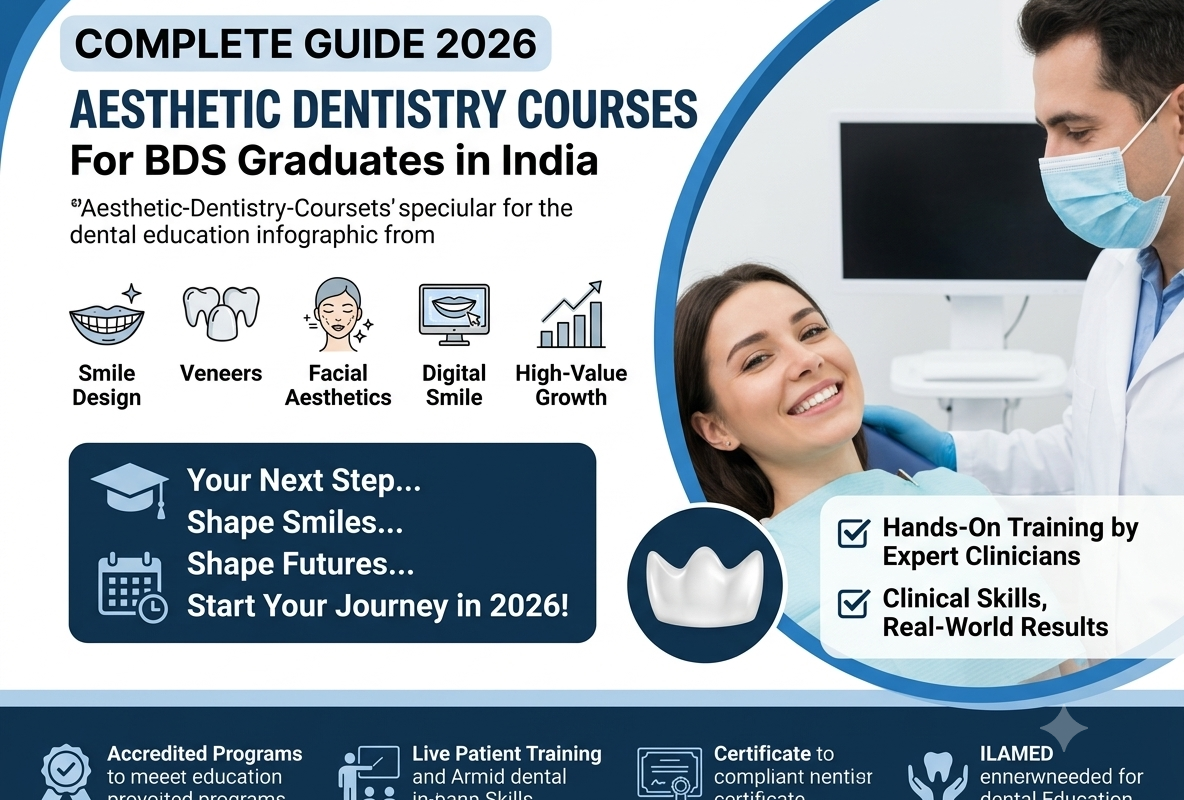
Aesthetic Dentistry Course in Bangalore

Why Bangalore is the Top Hub for Aesthetic Dentistry Course in Bangalore

Introduction

Bangalore has become one of the best healthcare and education hubs in India particularly in modern dentistry. The city has experienced an enormous increase in the demand of aesthetic dental treatments over the last ten years, which is why it is a popular destination of patients and professionals. This has helped the direct rise of the growing popularity of the Aesthetic Dentistry Course in Bangalorewhich has now been regarded to be one of the most beneficial career-enhancing courses that dental practitioners can take.

The scope of aesthetic dentistry is not only restricted to oral health but also to enhancing physical attractiveness of a patient in terms of his or her smile. Digital presence, personal branding, and the emergence of social media have raised awareness about the smiles of people, more than ever before. Consequently, dental practitioners are working hard to improve on their competences to live up to these expectations. All these institutions such as ILAMED under the leadership of Dr. Ajay Rana are very important in providing quality education and practical training in this area.

This blog aims to find out the reason why Bangalore is regarded as the center of dental excellence and why doing an Aesthetic Dentistry Course in Bangalore may change the course of your career.


Increasing Demand of Aesthetic Dentistry course in bangalore

The health care need of aesthetic dentistry has increased at a very high rate in the globe. Industry reports indicate that the market of cosmetic dentistry in the world will continue to rise steadily as more people become aware and technological changes are taking place. Metro urban centres in India such as Bangalore are setting the pace in this trend.

Some of the treatments that are currently being sought by patients include teeth whitening, veneers, smile designing, and some associated with minimal invasive cosmetic surgery. This has necessitated the need to acquire specialized skills by dental professionals using special courses such as the Aesthetic Dentistry Course in Bangalore.

This demand has also been occasioned by the increased disposable income, the ease of access to healthcare, as well as the effects of social media. With an increasing awareness of the way one looks, the demand of adept aesthetic dentists is continually on rise.


Bangalore as a Hub of Medical Education

It is also common knowledge that Bangalore has one of the best infrastructures and education. There is an ideal combination of modern technology, experienced professionals and varied clinical exposure in the city. The above aspects render it a perfect place to pursue an Aesthetic Dentistry Course in Bangalore.

The dentists in Bangalore have access to the hacienda clinics and equipment, high number of patients. Reputed institutions make the training of high quality and expose them to real-life situations. Such environment aids students in attaining theoretical as well as practical experience.


The ILAMED role in Dental Excellence

ILAMED is now one of the leading institutions of aesthetic medical education. The institute, which is based in Ajman, is recognized by international standards and holistic training programs, and founded by Dr. Ajay Rana.

The Aesthetic Dentistry Course in Bangalore in the ILAMED is aimed at the practical learning, advanced techniques and patient safety. Its curriculum is structured to suit the international standards and equip students to real clinical challenges.

Live demonstrations, professional advice, and practical application are regarded as the most effective ways of learning aesthetic dentistry among the students.


Holistic Training and Curriculum

The well-organized curriculum of the training programs provided in Bangalore is one of the major factors that make the city a center of dental excellence. The Aesthetic Dentistry Course in Bangalore entails all the key points of cosmetic dentistry.

The course normally consists of modules in smile designing, teeth whitening, veneers, laminates and digital dentistry. Facial aesthetics and methods of consulting a patient are also taught to students, which are essential to the effective results of the treatment process.

Such an all-inclusive approach is essential in making sure that dental professionals are in a good position to make use of different aesthetic procedures confidently.


Relevance of Practical Work

The practical training is an important part of a medical course. In Bangalore, the learning institutions focus on practical learning to make sure that students acquire real-life experience.

The Aesthetic Dentistry Course in Bangalore incorporates the practical use with patients, learning through cases and experience demonstrations. This experience will enable the students to gain confidence and enhance their clinical competence.

Practical knowledge also enables the students to learn the expectations of patients and provide them with custom treatments.


Adoption of state of the art Technology

Bangalore is leading in the usage of modern dental technologies. The tools which are exposed to the students who are undertaking a Course in Aesthetic Dentistry in Bangalore include the digital smile design, CAD/CAM systems, and laser dentistry.

These technologies contribute to the increase of accuracy, decrease in the time of treatment, and patient satisfaction. These are more advanced techniques that learners gain knowledge of which provides them with some competitive advantage in their careers.


Post Course Career Opportunities

By successfully completing an Aesthetic Dentistry Course at Bangalore, my career opportunities are many. Dental practitioners may practice as aesthetic dentists, consultants or cosmetic experts.

A significant number of the professionals also decide to open individual clinics or to work with the existing practices. The necessity in the aesthetic dentistry will guarantee the constant flow of patients and the increased potential to earn them.


Exposure and tough patient base

The multicultural population of Bangalore is a good learning experience among dental professionals. Students are exposed to numerous cases and this enables them to train their skills.

The course of Aesthetic Dentistry in Bangalore enables students to interact with the patients who may be having diverse backgrounds, which in turn increases their knowledge of the different dental conditions and aesthetical needs.


Professional Mentoring and Coaching

It is necessary to learn with experienced professionals in order to succeed in any sphere. The mentoring with professionals such as Dr. Ajay Rana is helpful to the students in Bangalore.

The mentors are a source of quality information, tips, and career advice, which will enable the students to develop a solid base in aesthetic dentistry. This support is very important in influencing successful careers.


Research and Evidence-Based Learning

Contemporary dentistry is dependent on research and science. The Aesthetic Dentistry Course in Bangalore focuses on evidence-based practices in order to guarantee safe and effective treatment.

The students get to know the newest research, clinical studies, and innovations in cosmetic dentistry. Such knowledge would guide them to make wise decisions and provide quality care to their patients.

Cost-Effective Education

Bangalore provides high quality education at a lower price as compared to that of the international programs. This contributes to the fact that Aesthetic Dentistry Course in Bangalore has become more affordable to more dental professionals.

Reduced cost of living and affordable course costs guarantee good financial payoff hence a viable option towards career growth.


Networking and Professional Development

There is great networking and career development in Bangalore. Dental workers will be able to share experiences with other professionals in the industry, visit conferences, and workshops.

The interactions assist in the establishment of a good professional network and keeping pace with the new trends in aesthetic dentistry.


The Future of Aesthetic Dentistry Course in Bangalore

Technology and innovation are influencing the future of dentistry. The manner in which treatments are carried out is changing due to artificial intelligence, digital tools, and advanced materials.

Aesthetic Dentistry Course in Bangalore is one of the courses which equip the students with these developments by integrating modern technologies and equipment into the course. This keeps the professionals abreast in a fast changing industry.


Why Bangalore Dental Excellence

Bangalore has a rare mix of top-notch infrastructure, qualified faculty and wide range of clinical exposure. These reasons render it the best location to study Aesthetic Dentistry Course in Bangalore.

This is because of the attention paid to innovation and quality education in the city, which guarantees students the highest quality of training.


Before Enrolling Tips to Take Action

Facilities like course content, experience of the faculty and hands-on training facilities are the factors that one has to put into consideration before joining an Aesthetic Dentistry Course in Bangalore.

The selection of an appropriate institution may be very crucial in the process of learning and career development.


Conclusion

Bangalore has become well established as a dental excellence center. The city has highly developed infrastructure, qualified mentorship, and its increased demand of aesthetic treatments makes it the ideal place where dental professionals can elevate their skills.

The idea of pursuing an Aesthetic Dentistry Course in Bangalore will be a wise move towards establishing a success career in the field of modern dentistry. Through the organisations such as ILAMED and under the tutelage of Dr. Ajay Rana, the desired expertise required to make it in this competitive sphere can be obtained by the professionals.

Future of the dentistry is in aesthetics and Bangalore is guiding the way to the future.

Aesthetic Medicine

Embrace Your Beauty: Unlock The Radiant skin with Transformative Aesthetic Medicine Treatments

Aesthetic Medicine has carved out a niche for itself among the bigwigs in the health industries. It focuses on the betterment related to physical appearance through non-invasive and minimally invasive treatments for an individual. This would be a specialty that would focus on growing demands for those treatments aimed at improving looks and fostering self-esteem. It would also focus on enhancing the quality of life. With the ever-changing beauty standards in society, more and more people seek aesthetic solutions. Quick results and a short recovery are the wishes of people. Aesthetic Medicine is an absolute wholesome solution for all those concerns.

What is Aesthetic Medicine?

Aesthetic Medicine can be defined as a category of clinical practice and an area of medical procedures meant to enhance physical appearance and the satisfaction derived by patients. Aesthetic Medicine represents treatment areas that range from Botox and dermal fillers, laser treatments, to techniques for rejuvenation of skin. This is decidedly a departure from the conventional surgical method, as Aesthetic Medicine is centered on non-invasive therapies which generally don’t require any kind of downtime, thereby increasing their popularity with the masses.

Most Opted Treatments in the Aesthetic Medicine Domain

Different Aesthetic Medicine Training Institutes offer a vast selection of procedures that can help any person achieve and gain the desired appearance. This in turn increases the self-confidence of the individual. Some of the main treatments outlined herein includes:

1. Injectables:

  • Botox:

It is a procedure in which a refined type of botulinum toxin is injected in some facial muscles.

It temporarily paralyzes the facial muscles, thus helping in decreasing any wrinkling and fine lines.

  • Dermal Fillers:

These are injectable solutions.

They work to restore the lost volume and fullness of face areas due to natural aging.

Wrinkles and fine lines are evident on the cheeks, lips, and under the eyes.

2. Laser Therapies:

Laser treatments, using focused light, achieve profound skin spots.

This works towards stimulating collagen production that improves skin texture.

These versatile procedures can help treat a host of factors that include unwanted hair, pigmentation-related issues, and aids in the rejuvenation of the skin.

3. Skin Resurfacing:

  • Chemical Peels:

It involves applying a solution on the skin, which assists in peeling off of the top layer of the skin.

In turn, it helps generate new skin.

This improves the texture and reduces fine lines.

These are mainly used to resurface acne scars and sun-damaged skin.

  • Microneedling:

This is a very mild, non-invasive treatment that removes dead outer skin cells, after which the skin looks smooth and refreshed.

It performs very well in cases of dullness, uneven texture, and minor scarring.

4. Permanent and Semi-Permanent Makeup:

  • Micropigmentation:

This is permanent makeup/cosmetic tattooing on facial areas to re-enhance or re-establish lost color.

Fine, hair-like strokes are made in the brow area to achieve very natural results.

  • Microblading:

This is a form of Semi-Permanent Makeup that embeds very fine, hair-like strokes in the area of the brow and gives thick, full, and natural-looking eyebrows. Such results last 2-3 years if well-maintained.

5. Body Contouring/Liposuction:

This is a surgery that aims at sucking out excessive fat from parts of the body, such as fat present in the abdomen, thighs, and arms, which are to be contoured for a better outlook on the body.

6. Rhinoplasty/Nose Job:

The surgical reshaping for the improvement of appearance and function of the nose is very frequently referred to as a ‘nose job’.

This treatment includes correcting a crooked nose, large or bulbous tip, and the hump on the bridge of the nose.

These varied Aesthetic Medicine Courses would cater to different needs and tastes of the people desirous of improving their physical features in order to enhance self-confidence. One can get the best care for the desired results in a safe, effective, and personalized way at ILAMED Institute, where they have a team of experienced professionals.

Which Specialists Perform Aesthetic Medicine Procedures?

Gone are the days when Aesthetic Medicine procedures were the domain of dermatologists and plastic surgeons. Many other categories of healthcare professionals, like general practitioners, nurses, and dentists, are beginning to offer aesthetic services. Proper Aesthetic Medicine Training of such practitioners is of utmost importance so that the level of safety is maintained and the results remain effective. Results for such procedures vary greatly by the qualifications and experience of the practitioner.

How to Get Relevant Training for Aesthetic Medicine Courses?

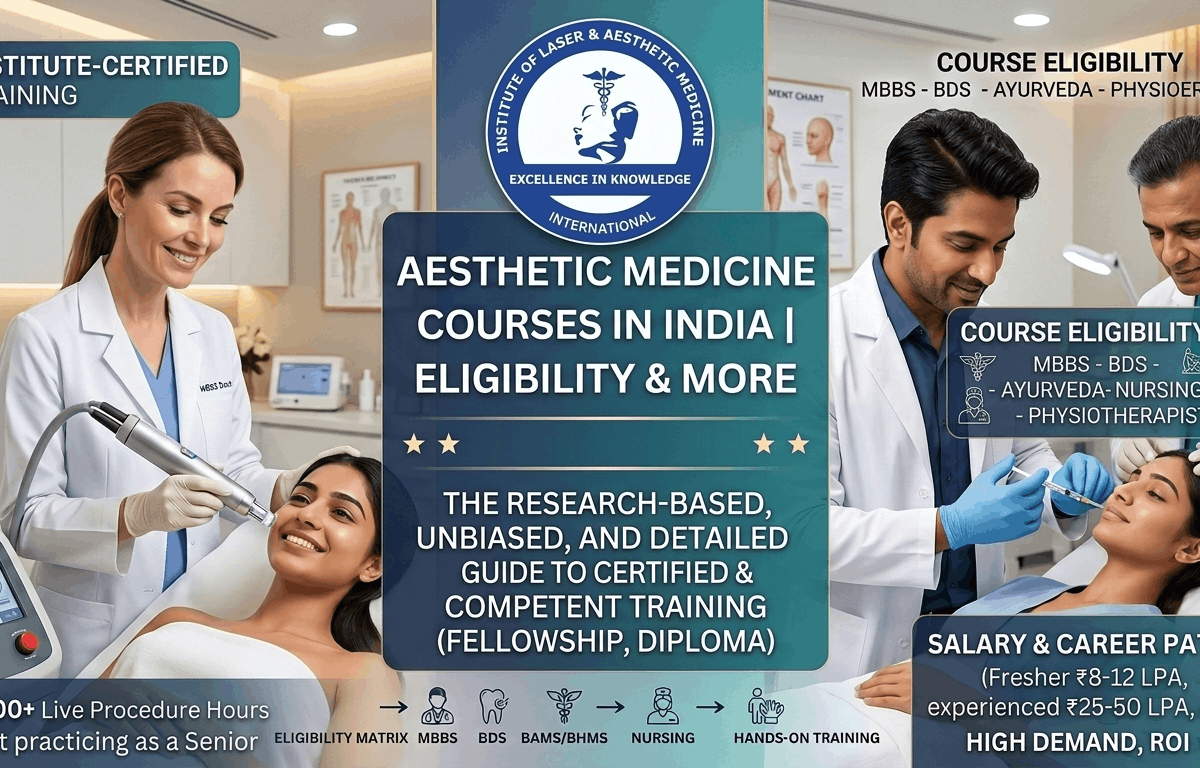
Any health professional desiring to branch into Aesthetic Medicine needs formal training. These are done by providing various certificates in different Aesthetic Medicine Courses that can help the practitioner in carrying out these treatments. One such institution where extensive and proper Aesthetic Medicine Training can be received is ILAMED Institute. They provide various courses in:

  • Fellowship in Aesthetic Medicine (FAM)
  • Fellowship in Medical Cosmetology (FMC)
  • Fellowship in Aesthetic Dentistry (FAD)
  • International Fellowship in Aesthetic & Anti-Aging Medicine (IFAAM)
  • Fellowship in Cosmetic Gynaecology & Sexual Medicine (FCGSM)
  • Such courses expose one to practical training in every part of the world—cosmetology, trichology, cosmetic surgery, and aesthetic dentistry. The institute is known for its practical approach and interactive sessions with the experienced faculty.
  • These courses are meant to ensure the practitioners are well prepared to give standard aesthetic treatments.

Conclusion

Aesthetic Medicine is one of the fast-growing fields offering quite a wide scope of treatments that aim at improving appearance and thus increasing self-esteem. Non-invasive procedures are the most popular, for people who want to look good without having to face the pain of recuperation that takes too long. As such, with this continuing demand, adequate training and education in Aesthetic Medicine are necessary. Staying updated and competent allows health professionals to meet the needs of their patients satisfactorily in this fast-moving industry.

Top 4 Benefits of Consulting a Cosmetic Gynecologist


In recent years, the field of cosmetic gynecology has emerged as a revolutionary branch of women’s healthcare, offering a range of transformative procedures to enhance both aesthetic and functional aspects. Many women are now discovering the myriad benefits that come with consulting a cosmetic gynecologis. In this blog post, we’ll delve into the top four advantages that cosmetic gynecology can bring to women seeking to enhance their well-being.

Restored Confidence and Self-Esteem:
Cosmetic gynecology procedures are designed not only to address physical concerns but also to boost emotional well-being. Many women experience a significant improvement in confidence and self-esteem after undergoing procedures such as labiaplasty or vaginal rejuvenation. These treatments can help address aesthetic concerns and empower women to feel more comfortable and confident in their bodies.

Also Read: Cosmetic Gynecology: The Most Trending Branch of Aesthetic Medicine in Recent Time

Enhanced Sexual Satisfaction:
Cosmetic gynecology goes beyond aesthetics; it also aims to improve functionality. Procedures like vaginal tightening and laser therapy can contribute to increased sexual satisfaction by addressing issues such as vaginal laxity or discomfort. These enhancements can lead to a more fulfilling intimate life, fostering overall well-being and satisfaction.

Medical Solutions for Functional Concerns:
Beyond cosmetic enhancements, cosmetic gynecologists are trained to address various medical concerns affecting women’s reproductive health. From treating urinary incontinence to addressing vaginal atrophy, these professionals offer medical solutions that can significantly improve a woman’s quality of life. Seeking the expertise of a cosmetic gynecologist ensures personalized care that goes beyond traditional gynecological services.

Personalized Treatment Plans:
One of the key benefits of consulting a cosmetic gynecologist is the opportunity for personalized treatment plans. These specialists understand that every woman’s body is unique, and they tailor their services to meet individual needs. Whether a woman is seeking aesthetic enhancements or addressing specific medical concerns, a cosmetic gynecologist can create a customized plan to achieve the desired results.

Also Read: Cosmetic Gynecology: Enhance Your Feminine Wellness with Our Procedures

Conclusion:
Cosmetic gynecology is opening new avenues for women to address both aesthetic and functional aspects of their reproductive health. The top four benefits mentioned above showcase the transformative potential of these procedures, contributing not only to physical well-being but also to emotional and sexual satisfaction. As more women explore the possibilities offered by cosmetic gynecologists, the field continues to evolve, providing innovative solutions for a diverse range of concerns. If you’re considering consulting a cosmetic gynecologist, this blog aims to shed light on the positive impacts these services can have on your overall health and well-being.

careers in cosmetology

Cosmetology Careers are Growing for 2024

Cosmetology is the study of beauty and its various forms. It encompasses a wide range of skills and techniques, including hair styling, makeup application, skincare, and nail art. Cosmetology is an exciting field that offers numerous career opportunities, and in 2023, the demand for cosmetology professionals is expected to grow significantly. In this blog post, we will explore why cosmetology careers are growing in 2023 and what this means for those who are interested in pursuing a career in this field.

Also Read: Why one should Choose ILAMED for Cosmetology Courses?

One of the primary reasons why cosmetology careers are growing in 2023 is that people are becoming increasingly interested in their appearance. With social media platforms like Instagram, TikTok, and YouTube, people are more aware of fashion and beauty trends than ever before. This increased awareness has led to a greater demand for beauty professionals who can help individuals achieve their desired look.

Moreover, the beauty industry is constantly evolving, with new products, treatments, and techniques being developed regularly. This means that cosmetology professionals need to stay up-to-date with the latest trends and technologies to remain relevant in the industry. Therefore, individuals who pursue a career in cosmetology can expect to enjoy a dynamic and constantly evolving career that offers new challenges and opportunities for growth.

Also Read: A Cosmetology Course – What does it mean in the real World?

Another reason why cosmetology careers are growing in 2023 is that the industry is becoming more inclusive. Traditionally, the beauty industry has been criticized for its lack of diversity, with many products and treatments being geared towards a specific demographic. However, in recent years, there has been a significant shift towards inclusivity in the industry. Cosmetology professionals are now expected to have the skills and knowledge to work with a diverse range of clients, regardless of their race, gender, or age.

Additionally, the COVID-19 pandemic has had a significant impact on the beauty industry, with many people turning to at-home beauty treatments and DIY haircuts. However, as the world recovers from the pandemic, there is expected to be a surge in demand for professional beauty services. This is because people are eager to return to their pre-pandemic routines and may require the services of cosmetology professionals to help them look and feel their best.

Read Also: A Cosmetology Course – What does it mean in the real World?

Furthermore, the cosmetology industry is also expected to benefit from the growing trend of self-care. Self-care has become a buzzword in recent years, with people recognizing the importance of taking care of themselves both physically and mentally. Cosmetology professionals can play a vital role in promoting self-care by providing their clients with relaxing and rejuvenating treatments that help them feel good about themselves.

In conclusion, cosmetology courses are growing in 2023 due to a variety of factors, including increased interest in appearance, industry inclusivity, post-pandemic demand, and the trend towards self-care. The beauty industry is an exciting and dynamic field that offers numerous career opportunities, and individuals who pursue a career in cosmetology can expect to enjoy a fulfilling and rewarding career. Whether you are interested in hair styling, makeup artistry, skincare, or nail art, there is a cosmetology career path that is perfect for you. So why not consider pursuing a career in this exciting field today?

career in Aesthetic Medicine

A Beginner’s Guide to Aesthetic Medicine

Aesthetic medicine is a rapidly growing field that involves a range of procedures aimed at improving a person’s appearance. It encompasses various treatments such as cosmetic surgery, dermatology, and non-surgical procedures. The field of aesthetic medicine has gained immense popularity in recent years, and there are many cosmetology courses available that offer training in aesthetic medicine. In this blog, we will discuss everything you need to know about aesthetic medicine, including the benefits of pursuing a hair transplant course or other cosmetology courses.

What is Aesthetic Medicine?

Aesthetic medicine is a medical field that focuses on improving a person’s physical appearance through non-invasive and minimally invasive procedures. This can include anything from facial rejuvenation, to hair restoration, to body contouring. Aesthetic medicine is a unique field because it combines medical knowledge with artistry to produce natural-looking results that enhance a person’s features.

Also Read: 6 Most Affordable Ways to Become a Cosmetologist

Benefits of Pursuing Aesthetic Medicine

One of the biggest benefits of pursuing aesthetic medicine is that it is a growing field with high demand for qualified professionals. Many people are looking for ways to improve their appearance, and as such, there is a need for trained individuals to perform these procedures. Pursuing a hair transplant course or other cosmetology courses can give you the skills and knowledge needed to succeed in this field.

Additionally, aesthetic medicine is a rewarding career path because it allows you to help people feel more confident and comfortable in their own skin. Many patients who undergo aesthetic procedures report feeling more self-assured and positive about their appearance, which can lead to improved mental health and wellbeing.

Popular Aesthetic Procedures

There are many aesthetic procedures available, and the right one for you will depend on your individual goals and concerns. Some popular aesthetic procedures include:

Also Read: Beauty and Beyond: Exploring the Benefits of a Career in Esthetics

Botox and Dermal Fillers: These are non-surgical procedures that help reduce the appearance of wrinkles and fine lines. Botox works by relaxing the muscles that cause wrinkles, while dermal fillers add volume to areas that have lost fullness.

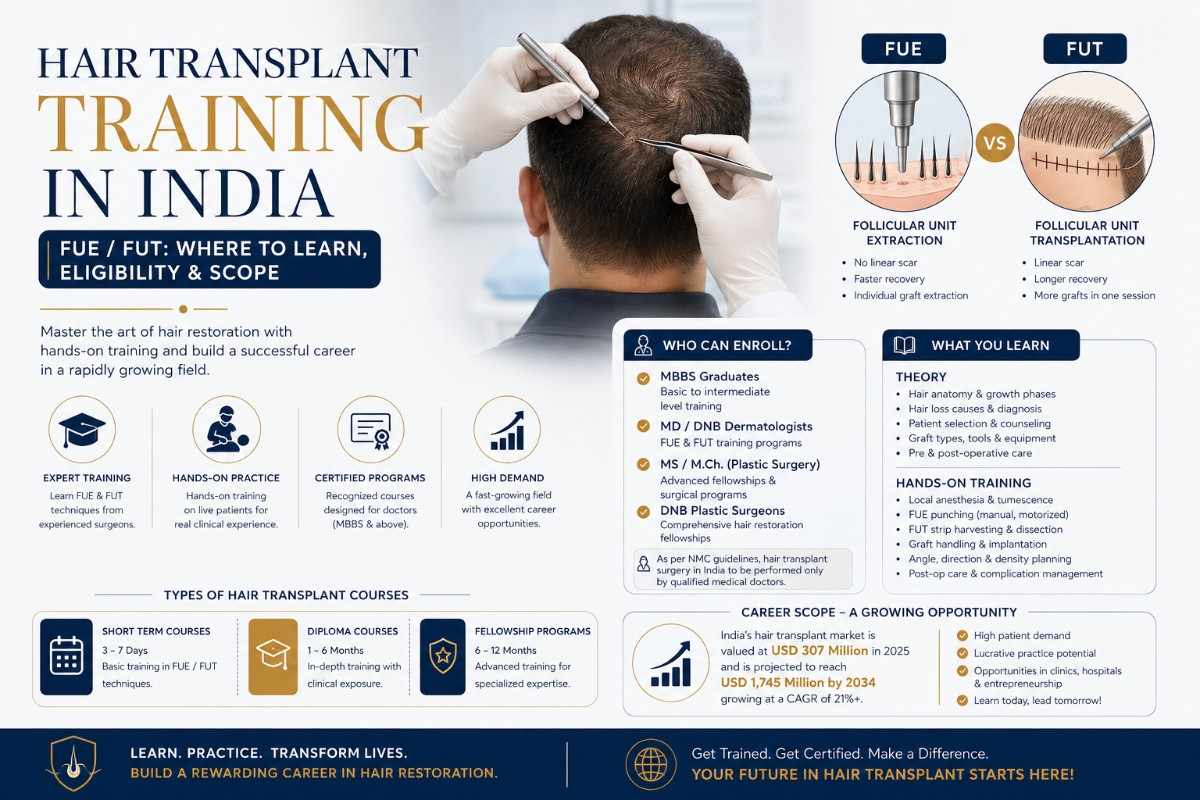
Hair Transplant: A hair transplant is a surgical procedure that involves moving hair follicles from one area of the body to another to promote hair growth in areas that have experienced hair loss.

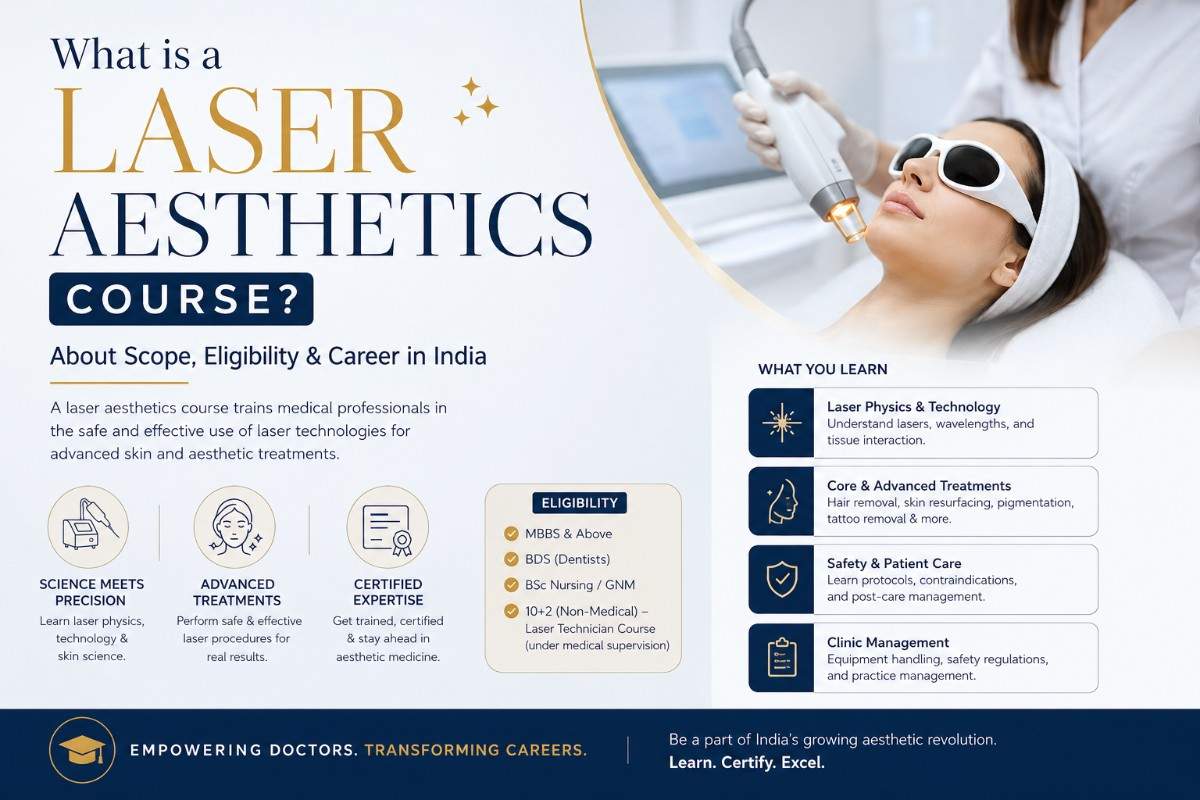
Laser Hair Removal: This is a non-surgical procedure that uses lasers to remove unwanted hair from various parts of the body.

Body Contouring: This includes various surgical and non-surgical procedures aimed at improving body shape and contour.

Also Read: Understanding the Cosmetology Syllabus

Conclusion

Aesthetic medicine is a fascinating and rewarding field that can offer many benefits for those who pursue it. If you are interested in learning more about aesthetic medicine, there are many cosmetology courses available that can provide you with the knowledge and skills needed to succeed in this field. Whether you choose to pursue a hair transplant course or another type of cosmetology course, you can be sure that you are entering a growing field with high demand for qualified professionals.

Hair Transplant Course in delhi

Things to Consider in a Hair Transplant Training Courses

Hair transplantation is a rapidly growing field, with an increasing demand for trained professionals in the industry. As a result, many institutes in India now offer hair transplant courses that provide the necessary training and certification to become a hair transplant professional. In this blog, we will discuss some important things to know about hair transplant courses in India, including FUE Hair Transplant Training, FUT Hair Transplant Training, Hair Transplant Training Courses, and Hair Transplant Institutes.

Also Read: The Transformative Power of Dentistry Courses

  1. Types of Hair Transplant Training Courses: There are two main types of hair transplant training courses in India: FUE and FUT. FUE (Follicular Unit Extraction) is a more advanced and modern technique of hair transplantation, while FUT (Follicular Unit Transplantation) is a more traditional technique. Both techniques have their advantages and disadvantages, and it is important to choose a course that is best suited to your needs and preferences.
  2. Course Duration and Fees: The duration of hair transplant courses can vary from a few days to several months, depending on the institute and the type of course. The fees for hair transplant courses can also vary widely, depending on the institute, the course duration, and the level of training provided. It is important to do your research and choose a course that fits your budget and time constraints.
  3. Curriculum: The curriculum of hair transplant courses typically includes theory as well as hands-on training. The theory part covers the basics of hair anatomy, hair growth cycle, types of hair loss, and hair transplantation techniques. The hands-on training includes practicing on real patients under the supervision of experienced professionals.

Also Read: A Beginner’s Guide to Aesthetic Medicine

  1. Accreditation and Certification: It is important to choose a hair transplant institute that is accredited and certified by a recognized organization. This ensures that the course meets certain standards and that the certification you receive will be recognized by employers and clients.
  2. Faculty: The quality of faculty is a key factor in the quality of education you receive. Look for a hair transplant institute that has experienced and qualified professionals as faculty members.
  3. Infrastructure: A good hair transplant institute should have state-of-the-art infrastructure and equipment, including operation theaters, surgical instruments, and diagnostic tools. Make sure to visit the institute and check out the facilities before enrolling in a course.
  4. Job Opportunities: A hair transplant course can open up a range of job opportunities in the industry, including working in hair transplant clinics, cosmetic surgery centers, and hospitals. Look for a course that offers placement assistance or has tie-ups with leading employers in the industry.

In conclusion, a hair transplant course can provide you with the skills and knowledge to become a successful hair transplant professional. However, it is important to choose the right course and institute to ensure that you receive the best possible education and training. Consider the factors mentioned above when choosing a hair transplant course in India, and do your research before enrolling in any course.

Also Read: Beauty and Beyond: Exploring the Benefits of a Career in Esthetics

Why one should Choose ILAMED for Cosmetology Courses?

Cosmetology has become an increasingly popular career choice in recent years, with more and more people looking to pursue it as a profession. However, with so many institutions offering cosmetology courses, it can be difficult to choose the right one. That’s where ILAMED comes in – a leading institute for cosmetology courses in India.

Here are some reasons why you should choose ILAMED for your cosmetology education:

Expert Faculty: At ILAMED, you will be taught by highly qualified and experienced faculty members who have years of experience in the field of cosmetology. Their expertise and knowledge will help you gain a deeper understanding of the subject and prepare you for a successful career in cosmetology.

Also Read: Elevating Your Career: The Compelling Reasons to Enroll in a Professional Cosmetology Course

Comprehensive Curriculum: ILAMED’s cosmetology courses cover a wide range of topics, including skin care, hair care, makeup, and aesthetics. The curriculum is designed to provide you with a comprehensive understanding of the subject, giving you the knowledge and skills needed to excel in your career.

State-of-the-Art Infrastructure: ILAMED’s state-of-the-art infrastructure provides students with access to the latest technology and equipment used in the cosmetology industry. This enables them to gain hands-on experience and develop practical skills that are highly valued by employers.

Industry Exposure: ILAMED provides its students with opportunities to gain exposure to the industry through workshops, seminars, and internships. This helps students gain a better understanding of the industry and prepares them for their future careers.

Placement Assistance: ILAMED provides placement assistance to its students, helping them find job opportunities in the cosmetology industry. The institute has tie-ups with some of the leading brands in the industry, which helps students find jobs with top employers.

Also Read: Cosmetology Courses To Explore Your Career As A Professional Cosmetologist

Flexible Learning: ILAMED offers flexible learning options, including online and offline classes, to suit the needs of all students. This enables students to learn at their own pace and convenience, without having to compromise on their other commitments.

In conclusion, if you’re looking for a career in cosmetology, ILAMED is the perfect choice for you. With its expert faculty, comprehensive curriculum, state-of-the-art infrastructure, industry exposure, placement assistance, and flexible learning options, ILAMED provides students with everything they need to succeed in the cosmetology industry.

Understanding the Cosmetology Syllabus

Introduction:

Are you passionate about beauty and aesthetics? Do you dream of transforming your love for cosmetics into a rewarding career? If so, exploring the world of cosmetology might be the perfect path for you. In this blog, we’ll delve into the details of the cosmetology syllabus, shedding light on what you can expect from cosmetology courses.

Understanding the Basics:

Cosmetology is a diverse field that encompasses various beauty disciplines, including hairstyling, skincare, nail care, and makeup artistry. The cosmetology syllabus is designed to provide students with a comprehensive understanding of these areas, ensuring they graduate with the skills and knowledge needed for success in the beauty industry.

Also Read: The Transformative Power of Dentistry Courses

Core Components of Cosmetology Courses:

Hairstyling:

Learn the art of cutting, coloring, and styling hair to perfection.
Explore the latest trends and techniques in hairdressing.

Skincare:

Understand the fundamentals of skincare, including facial treatments and spa therapies.
Master the art of analyzing skin types and recommending appropriate skincare routines.

Nail Care:

Acquire skills in manicures, pedicures, and nail enhancements.
Explore the latest nail art trends and techniques.

Makeup Artistry:

Dive into the world of makeup application for various occasions.
Learn about different makeup products, tools, and their uses.

Salon Management:

Gain insights into running a successful salon, including client management and business operations.
Understand the importance of hygiene and safety standards in a salon setting.
The Importance of Practical Training:

Also Read: A Beginner’s Guide to Aesthetic Medicine

Cosmetology courses emphasize hands-on training to ensure students are not only knowledgeable in theory but also proficient in practical applications. From working on real clients to participating in creative projects, practical experience is a vital aspect of cosmetology education.

Career Opportunities in Cosmetology:

Upon completing a cosmetology course, graduates can explore a wide range of career opportunities, including:

Hairstylist
Makeup Artist
Esthetician
Nail Technician
Salon Manager
Conclusion:

Embarking on a cosmetology journey opens the door to a world of creativity and self-expression. The cosmetology syllabus equips students with the skills and expertise needed to thrive in the dynamic beauty industry. Whether you aspire to be a hairstylist, makeup artist, or salon owner, a solid foundation in cosmetology is the key to turning your passion into a fulfilling career. Explore cosmetology courses today; and take the first step towards a glamorous future!

Also Read: Beauty and Beyond: Exploring the Benefits of a Career in Esthetics