Cosmetic Gynaecology

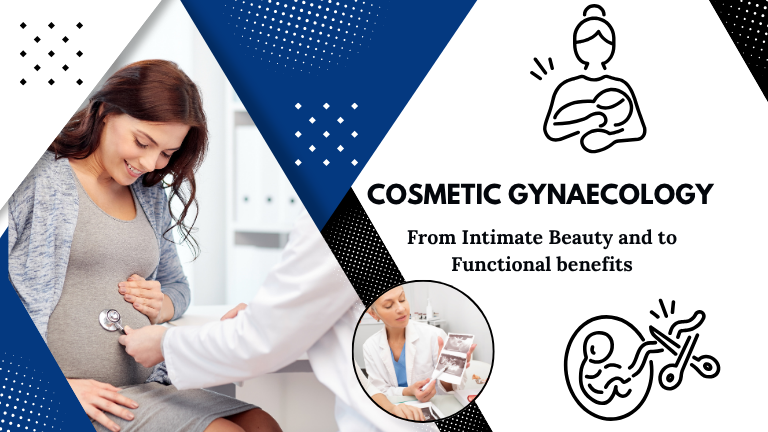
Cosmetic Gynaecology: From Intimate Beauty and to Functional Benefits

Female intimate cosmetics, also known as Cosmetic Gynecology, is the scientific trend of dealing with aesthetic and functional problems of the female genital area. Basically, it is the practice of a medical specialty combining gynecology, plastic surgery, and dermatology for medical purposes to improve the beauty and functionality of vagina areas and even surrounding regions. As society’s perception of the body and sexual health continues to evolve, so too are more women seeking such procedures to enhance their self-esteem and quality of life.

What is Cosmetic Gynecology?

Cosmetic Gynecology or Cosmetic Gynaecology is a cosmetic procedure that basically includes a number of surgical and nonsurgical interventions that have the goal of correction for cosmetic- aesthetic reasons such as labial asymmetry, vaginal laxity, etc. Main reasons that may account for increased demand for these procedures are increasing publicity, changing standards of beauty, etc, and improvement in medical science.

Common Surgical Procedures in Cosmetic Gynecology are:

1. Labiaplasty:

One of the most common cosmetic gynecologic operations performed is labiaplasty, or surgical reduction of the labia minora. Women may choose to undergo this procedure for different reasons, such as discomfort in doing physical activities or having sex, aesthetic concern with size or shape, and other cultural reasons.

The procedure lasts between one to two hours, and it can either be done under local anesthesia with sedation or under general anesthesia. The surgeon will remove the excess tissue and reshape the labia, so that their appearance is symmetrical in shape and looks more appealing. Recovery usually lasts from one to two weeks after which time patients are advised not to carry out strenuous activities or sexual intercourse.

2. Vaginoplasty

Vaginoplasty is a surgery intended to tighten the vaginal canal. This surgery is common in many women who opt for it after childbirth or due to the natural aging process that causes looseness in the vagina. Improved tightness may improve sex-related satisfaction for both of them.

The vaginoplasty surgical procedure includes the removal of excess vaginal tissue and tightening the surrounding muscles. This procedure may be done either under local anaesthesia combined with sedation or general anaesthesia. It would take one to two hours and the resumption of the activity profile would be four to six weeks after the surgery, that may contain resumed sexual activity.

3. Hymenoplasty

Hymenoplasty is the reconstructive Cosmetic Gynaecology procedure of restoring hymen. It is culturally and religiously sought after. Most of its target clients are women who feel the urge to regain their virginity in their community.

Hymenoplasty is a procedure to sew together remaining remnants of the hymen or uses tissues that already exist to create a new hymen. The procedure is relatively short, lasting 30 minutes to an hour, and usually can be done under local anesthesia. Healing time is quick and relatively pain-free.

4. Clitoral Hood Reduction

Clitoral hood reduction reduces the size of the clitoral hood for cosmetic reasons or to enhance sexual pleasure by uncovering more of the clitoris.

Usually, it is a local anesthesia procedure that takes about an hour. Most patients experience recovery like that of labiaplasty, with a post-operative check-up appointment forewarning them not to have sex for at least several weeks.

5. Perineoplasty

Perineoplasty reconstructs and tightens the tissue between the vagina and the rectum, often associated with childbirth and aging.

Local anesthesia or general anesthesia usually performed under one hour, usually takes several weeks to recover after.

Common Non-Surgical Procedures in Cosmetic Gynaecology are:

Cosmetic Gynecology besides surgical treatments, presents a lot of non-surgical procedures which have excellent outcomes and minimal or no downtime.

1. Vaginal Rejuvenation

Vaginal rejuvenation is a completely non-invasive Cosmetic Gynaecology Treatment that can be performed by using energy-based devices such as lasers or radiofrequency technology. These enhance the tone and elasticity of vaginal tissues without surgery. It’s the most sought-after treatment by women who want a better tone in their vagina post-delivery or due to aging.

Most treatment takes about 30 minutes, and no downtime is required after the procedure. The patient may return to normal activity immediately after undergoing the treatment with mild pain experienced throughout the procedure.

2. Dermal Fillers

Dermal fillers are also delivered cosmetically in gynecology for the treatment of volume deficit in certain parts, such as labia majora, with aesthetic improvement and countenance rejuvenation of youthful contours.

This procedure only takes about 30 minutes, but the effects are almost immediate. Swelling or bruising may appear in the treatment area but will heal within a very short time. The patient can resume his or her regular activities.

3. PRP Therapy

PRP therapy draws an amount of blood to be processed concentrating platelets, and then injected into targeted areas of the vagina. It stimulates tissue repairment and improves sexual performance by enhancing sensitiveness.

The process takes approximately an hour of blood draw and injections. Patients should not experience any real discomfort, and there is no downtime after.

4. Chemical Peels

A chemical peel is a procedure that applies a chemical solution to exfoliate and remove damaged layers of the skin. This encourages the shedding of outer layers of skin for the smoother and healthier one underneath. Ranging from wrinkles, acne marks, and hyperpigmentation, chemical peels can effectively deal with a wide range of issues. The degree at which the chemicals penetrate into the skin itself classifies chemical peels into three categories: superficial, medium, and deep peels.

Importance of Training in Cosmetic Gynecology

With an increased demand on Cosmetic Gynecology, proper training is needed for healthcare professionals who would like to provide such services. In the variety of centers that offer specialized Courses in Cosmetic Gynaecology, ILAMED stands out as the best institution.

Cosmetic Gynaecology Courses by ILAMED

ILAMED provides comprehensive training programs tailored particularly for gynecologists, obstetricians, plastic surgeons, and other medical specialists interested in extending their expertise in this field. Their program contains:

  • Theoretical knowledge in anatomy, physiology, patient selection criteria, pre-operative work-up, and post-operative care.
  • Practical sessions in simulation models, as well as on live patients
  • Latest Cosmetic Gynaecology techniques with a mix of surgical and non-surgical treatments, with trainings
  • Patient management, emphasizing the importance of excellent communications to elicit their expectations and responsibilities.

Cosmetic Gynaecology Courses Offered by ILAMED Include:

  • Cosmetic Gynecology Master Course (MCCG)- Non-surgical
  • Cosmetic Gynecology Master Course (MCSCG)- Surgical
  • Diploma Course in Cosmetic Gynecology (DCG)
  • Fellowship in Cosmetic Gynecology & Sexual Medicine (FCGSM)
  • Diploma in Intimate Aesthetics

The Cosmetic Gynaecology Courses at ILAMED will reveal the most empowering characteristics to the healthcare professionals as they better treat their patients by ensuring them safe and effective treatments.

Conclusion

Cosmetic Gynecology is an opportunity for women to be enhanced in intimate aesthetics and sexual function using modern advanced techniques. In this regard, proper Cosmetic Gynaecology Courses on advanced techniques should be developed within a healthcare expert through an academic institution such as ILAMED. The healthcare professionals have the potential to offer informed care, empowering women with self-acceptance of their body, boosting their confidence and quality of life.

Aesthetic Medicine

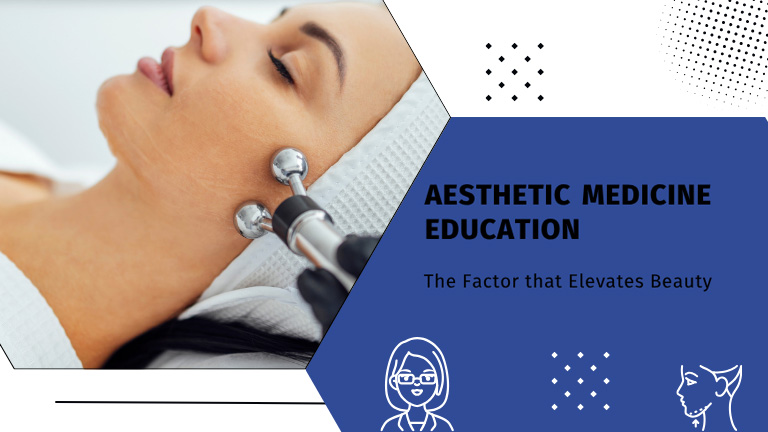
Aesthetic Medicine Education: The Factor that Elevates Beauty

Aesthetic medicine education is related to both art and science, which deals with the enhancement of the outlook of an individual through non-invasive and minimally invasive procedures. Since aesthetic grooming has become a priority for people in the presently changing societal norms, it has called for competent, skilled professionals. This article enumerates the role of Aesthetic Medicine Courses and feels that ILAMED is one of the leading institutes along with others that should be considered by health professionals.

Common Aesthetic Medicine Procedures

Aesthetic medicine encompasses everything from injecting Botox and dermal fillers to laser treatments geared towards improvement in appearance rather than through invasive surgery. Common treatments include the following:

  • Botox Injections: These are used to reduce the appearance of wrinkles by temporarily paralyzing facial muscles.
  • Dermal Fillers: Materials induced into the skin to restore volume and fullness to the surface, particularly in areas like the cheeks and lips.
  • Laser Treatments: Skin resurfacing, Hair Removal, and treatment of various skin disorders.
  • Chemical Peels: Exfoliate skin to produce desired effects of texture and tone; eliminate acne scars and pigmentation.
  • Microdermabrasion: Treatment that thins the stratum corneum with the consequence of a reduction of benign epidermal pigmented lesions.
  • IPL Photorejuvenation: Has been shown to be effective in reducing benign epidermal pigmented and vascular lesions.
  • Laser Hair Reduction: This effectively and often permanently reduces unwanted darkly pigmented hair.
  • Phlebectomy: Varicose veins can be treated by this minimally invasive procedure.
  • Sclerotherapy: Spider veins and small varicose veins are commonly treated by injection treatments.
  • Thread Lifts: These are minimally invasive lifts and tighten sagging skin of the face. These cosmetic procedures, depending on the extent of the intervention, may be further termed as non-invasive, minimally invasive, or invasive. The minimally invasive ones have become the mainstays of the treatment for mild to moderate age-related facial changes.

The field of aesthetics continuously evolved to implement new technologies and techniques in the interest of safety and satisfaction of the patients. In turn, with increased demand for the services, there will be a need for qualified professionals to render effective and safe treatments.

Increased Demand for Aesthetic Treatments

Due to several factors, aesthetic procedures are on the rise in popularity :

  • Social media influence is thought to be increasing regarding aesthetic procedures where much awareness and accessibility can be noted concerning beauty standards, particularly from social media platforms such as Instagram and TikTok. This, in turn, has encouraged people towards cosmetic enhancements.
  • Cultural Shifts: Acceptance towards aesthetic treatments as a mode of betterment and hence attracting a greater clientele has increased.
  • Advancing Technology: Betterment of procedures and products for aesthetic purposes has made these treatments non-invasive, safer, and more effective.

And due to such trends, physicians, too, have been catching onto them and are eager to expand their practices to incorporate aesthetic services in order to improve patient loyalty and satisfaction.

The Significance of Aesthetic Medicine Courses for Doctors

For health professionals to effectively meet the growth in demand for aesthetic treatments, specialized training will be required. Aesthetic Medicine Courses aimed at doctors will thereby provide the health practitioner with the right skills and knowledge to apply various procedures safely and effectively. Some of the key areas of study in these courses include:

  • Anatomy and Physiology: Knowledge in the human body, but mostly in the facial structure to apply aesthetic procedures in a safe way. Knowledge in anatomy will help the practitioner avoid complications and ensure the best results.
  • Injecting Techniques: Mastery of the injecting techniques is quite an essential factor yielding the best results with fillers and neuromodulators, but it reduces risks. Often, the courses include practical training to ensure practitioners are comfortable executing these techniques.
  • Patient Assessment: Assessment of the patient’s needs and expectations is a delicate art in creating an individualized treatment plan that encompasses their objectives. Generally, good communication and assessment skills lead to overall patient satisfaction and improved results.
  • Complications Management: Teaching how to manage possible complications secures the safety of the patient and builds confidence in the practitioner. Being informed about the risks for any particular procedure helps practitioners manage those complications better.

Comprehensive Aesthetic Medicine Courses

Aesthetic Medicine Courses really vary in duration, content, and delivery methods; it is also important that most of them represent theoretical knowledge, along with practical skills, including practice under instructors’ supervision. These courses truly can be adapted for beginners and professionals willing to further improve their knowledge.

These may vary from a short course on specific techniques to a full-fledged diploma course in the most expansive range of aesthetic procedures. Such flexibility allows healthcare professionals to choose courses that best fit their career goals and schedules.

Courses in Aesthetic Medicine at ILAMED Institute

The Institute of Laser & Aesthetic Medicine belongs to the world leaders in aesthetic medicine education. ILAMED was founded in 2003 and has trained more than 300,000 health professionals all over the world since that time. The Institute has many courses answering various needs by practitioners, including:

  • Aesthetic Medicine Diploma Course: The intensive course is meant to ensure that you get broad-based knowledge in the fields of facial aesthetics, skin rejuvenation, and advanced injectable techniques. You would be confident enough to perform all aesthetic procedures confidently, having sound theoretical and practical knowledge.
  • Certificate Courses: ILAMED provides short-term certificate courses in specific areas such as Botox, dermal fillers, and laser treatments. Such courses would be ideal for professionals who wish to specialize in a particular technique, as they can immediately develop their skill set in the respective method.
  • Workshops and Masterclasses: Regular workshops and masterclasses are held by ILAMED for those who would like to fine tune their skills. These are conducted by experts in the sector and include hands-on experience, helping them learn about the latest advancements in aesthetic medicine.

ILAMED focuses on practical training so that the graduates can be exposed practically before entering the profession. The commitment of this institute towards quality education has accorded it the leadership position within the aesthetic medicine field.

Conclusion

The need for special training is much more evident as Aesthetic Medicine continues to grow. Courses of aesthetic medicine form a vital part in the life of any doctor or healthcare professional wanting to excel in this enriching line of work. It is only in reputed institutions, such as ILAMED, that any practitioner may get the required knowledge and expertise to safely and effectively offer new, innovative treatments to the patient.

Aesthetic medicine will indeed have a great future, but only proper education will assign professionals the role they deserve in changing lives with the enhancement of beauty. Education will be a continuous process since the industry is in a continuous development and evolution phase, with new trends and needs popping up day in and day out. Embracing this educational journey not only enhances professional capability but also contributes to overall growth and credibility in the field of aesthetic medicine.

Moreover, with Aesthetic Medicine becoming increasingly integrated into general practices, professionals properly trained in the field will have a distinct competitive edge and be in a position to offer services over a broader spectrum, thus offering greater patient satisfaction. As continuous evolution of techniques and technologies keeps taking place, lifelong learning in aesthetic medicine will be the key to success in this dynamic and rewarding field.

Aesthetic Dentistry Courses

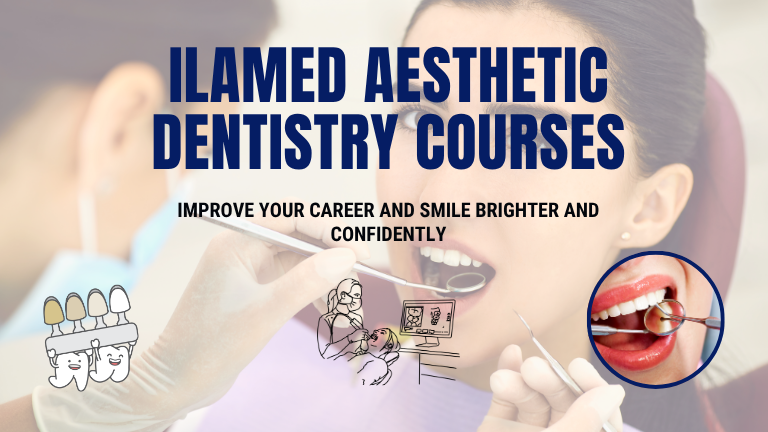
Aesthetic Dentistry Courses: Skills and Practice in Dental Care to the Next Level

Aesthetic Dentistry Courses has become an important branch of dentistry, mostly related to the beautification of teeth, gums, and smiles. With the rise in aesthetic importance in general within society, patients are looking increasingly toward cosmetic dentistry. Dentists therefore need to keep pace with the latest in skills and knowledge to respond to such needs. Dental Courses are thus much required for dentists who want to extend their scope in this continuously changing field.

Key Procedures in Aesthetic Dentistry

Aesthetic dentistry encompasses various procedures to improve the general aesthetic appearance of smiles. Some of the most common procedures include:

  • Teeth Whitening: This is one of the most sought-after dental treatments whereby teeth are lightened from their darkened stages using bleaching action effectively. There are available options for office treatments and home kits, which will give a whiteness desired in the smile. The bleaching agent is applied on the enamel, which allows the latter to penetrate and lift off all the stains and discoloration, giving a younger look.
  • Veneers: Thin shells made of porcelain or composite resin that are bonded to the front surface of teeth, with the goal of enhancing their shape, size, and color. In cases of chips, gaps, or misalignment, veneers would work beautifully since they offer a highly natural appearance. Commonly, this procedure requires slight advance preparation of the tooth and is a very resistant option for aesthetic improvement.
  • Bonding: This is the method employed wherein tooth-colored resin is placed over a tooth to restore or enhance its shape. It can be performed for small chips, gaps, and other slight imperfections. This usually requires a single visit to the office. After manipulation, the resin is then polished and shaped so that the tooth would appear to blend in with the rest of the teeth.
  • Aesthetic of the Implant: It replaces the teeth appearance through dental implants. The root of the artificial tooth is located inside the jawbone, therefore providing a base for replacement teeth that are well-matched with natural teeth in form and functionality. Aesthetic quality includes color, shape, and proper alignment of the implant to match existing teeth.
  • Gum Contouring: This is the process for reshaping the gum line, making the smile more beautiful. For people with uneven gums and surplus gums making for a ‘too-gummy’ smile, contouring builds into giving the teeth a better shape and balance in light of other ones. It could involve laser treatment or surgical reshaping.
  • Smiles Makeovers: It is a very holistic approach in which a number of aesthetic procedures are combined depending upon individual needs. Whitening, veneers, bonding, and gum recontouring can be used together to derive the results. A smile makeover deals with all aspects of a patient’s smile; hence, this holistic approach ensures that the outcome is well-balanced and esthetically pleasing.

Importance of Aesthetic Dentistry courses

The demand for aesthetic dental procedures is increasing continuously, and dental professionals need to advance their education in this specialty. Aesthetic are designed to equip practitioners with better clinical skills and knowledge. Some of the importance of pursuing such courses comprises:

  • Better Patient Outcomes: Practitioners trained in aesthetic procedures provide overall care to the patients. Understanding the aesthetics principle will definitely help the dentist in preparing the treatment plan that addresses occlusion and dental health together with facial harmony.
  • With advanced training, dentists can expand their aesthetic procedure offerings and so have the possibility of treating more patients who are after cosmetic enhancements.
  • More Confidence: This knowledge and ability acquired from Aesthetic Dentistry Courses would give dentists the confidence to approach even the most complicated cases, thereby improving the status and prestige of their practice.

Importance of Choosing the Proper Institute

Selection of the proper institute for Dentistry Courses is of immense importance because of the following reasons:

  1. Education Quality: It’s really crucial that a good name ensures high-quality education and mentorship. The faculty members are highly experienced, and they are leaders in their own fields. It is really essential for developing a sound basis about aesthetic techniques.
  2. Practical Training: Practical experience is the soul of dentistry. A good program lays emphasis on hands-on training, enabling students to get practice on models and real patients under expert supervision. This helps the students gain practical exposure, which is very important for their confidence and competence.
  3. Course Curriculum Relevance: The curriculum must involve state-of-the-art developments related to aesthetic medicine. It also comprises digital dentistry, biomaterials, and interdisciplinary approaches in aesthetic care.
  4. Networking: A reputed institute would provide professional interaction and an alumni network, which will be beneficial for career prospects and collaboration.

Aesthetic Dentistry Courses at ILAMED

The Institute of Laser & Aesthetic Medicine, ILAMED provides all-inclusive courses related to dentistry, which increase the skill and knowledge for dental professionals. These Dentistry Courses extend their scope to cosmetic and restorative dental practices. Given below is the summary of major Dental Courses offered at ILAMED:

  1. Fellowship in Aesthetic Dentistry (FAD)

This is a comprehensive program aimed at dentists who wish to develop expertise in the subspecialty of aesthetic dentistry. The Fellowship in Aesthetic Dentistry that would cover aesthetic restorative procedures that include but are not limited to the following would be:

  • Smile Makeovers Techniques used for smile enhancement with direct and indirect veneers.
  • Digital Smile Design The use of digital tools for planning and executing dental treatment is covered in this module.
  • Advanced Aesthetic Techniques This module covers the training of the candidates on complex aesthetic cases involving various dental implants and orthodontic treatments.
  1. Advanced Aesthetic Dentistry Fellowship (FAAD)

Advanced course in aesthetic dentistry, with elaboration on the latest trends and technologies. Components covered in the course include the following:

  • Hands-on training: Practical exposure that allows the participants to use knowledge in realistic situations.
  • Interdisciplinary approaches: Training incorporating various dental specialties that improve one’s capability of managing complicated cases.
  • Latest techniques: Exposure that provided the most advanced technology in aesthetic dentistry, such as digital workflows and new materials.
  1. Certificate Courses in Aesthetic Dentistry

ILAMED offers a variety of short-term certificate courses which give the fundamental knowledge and hands-on skills related to aesthetic dentistry. The topics basically covered in the courses include the following:

  • Whitening of Teeth: The different methods and materials used in order to effectively whiten the teeth.
  • Application of Veneers and Bonding: The process of applying porcelain and composite veneers, along with methods of bonding.
  • Restorative Procedures: Training in direct and indirect restorations involving inlays, onlays, and crowns.
  1. Online Courses in Aesthetic Dentistry

Moreover, online courses are also given by ILAMED in order to accommodate busy professionals. Among them are the following:

  • Interactive Modules: Various aspects of aesthetic dentistry taught with the help of video lectures and assessments.
  • Flexible Learning: The course materials will be accessible anytime, anywhere for working professionals’ convenience.
  1. Specialized Training Programs

The special training programs ILAMED offers within the sector of aesthetic dentistry span across various aspects:

  • Implant Aesthetics: Comprehensive training on the aesthetic procedure of dental implants so that the artificial replacement does not differ from the other teeth.
  • Contouring Techniques of Gums: Approaches to reshape the gum line to make the smile beautiful.
  • Advanced Laser Applications: This covers the use of laser technology in aesthetic treatments like soft tissue management and teeth whitening.

Conclusion

Dentistry Courses are, therefore, significant for dental clinicians in expanding their skills and practice. Indeed, additional training in aesthetic dentistry will considerably affect one’s career and quality of care provided to the patients. Moreover, investment in aesthetic dentistry education not only raises individual practices but also contributes to the betterment of the dental profession on the whole and will definitely enhance patient care and satisfaction. With proper training, dentists can master aesthetic dentistry both as an art and as a science. Aesthetic dentistry builds confidence by transforming smiles. 

As the field continues to evolve, ongoing education and training will remain critical for success in this dynamic and rewarding area of dentistry. In short, Dental Courses play a very important role. Equipped with these Dental Courses, dentists are able to gain the competencies and knowledge that ensure premium aesthetic care in order to enhance professional capability and ensure quality treatment of patients. Application of aesthetic principles to dental practice is essential in today’s society, where looks and self-esteem have tremendous interaction.

Weight Loss

Comprehensive Courses on Weight Loss: Medical Perspective

Weight management is one of the most critical health concerns globally, for which obesity is considered one of the major risk factors that contribute to a plethora of chronic diseases, including diabetes, hypertension, and cardiovascular disorders. Weight Loss Courses offered by ILAMED in Delhi are medically sound toward achieving sustainable weight loss through evidence-based practices. These programs have been specifically designed to make them appropriately understand the complexities of obesity, ensuring participation not only in losing weight but improving overall health.

Understanding the Medical Basis of Weight Loss

Weight loss is not only about cutting calories, but about understanding body metabolism, energy balance, and the physiological factors contributing to weight gain. The medical Weight Loss Programs at ILAMED have a scientific basis, pertaining to:

  • Energy Balance: This is realizing the balance that exists between intake and expenditure. They are allowed to estimate their calorie needs and then adjust the diet based on this. It is this understanding that serves as the very foundation in weight management. This is important to note, for one to lose weight; they must have a calorie deficit in that more calories are burned than those being consumed.
  • Science of Nutrition: Through the classes of food nutrients, Macronutrients-carbohydrates, proteins, and fats are discussed, and Micronutrients such as vitamins and minerals will identify the nutritional function and its relation to metabolism and health. This class teaches how to put together a well-rounded meal that will not only help you lose weight but is nutritionally sound. Students learn how various foods can impact their metabolism and overall health, and they learn how to make proper dietary choices.
  • Behavioral Counseling: Of course, there is a great deal of psychology that goes along with eating. ILAMED incorporates behavioral modification techniques into its programs, enabling participants to identify emotional ‘cues’ for overeating and substitute healthier ways of managing emotions. Gaining insight into the psychological factors holding one back from effective weight loss will remarkably improve the potential dietary changes to take on issues like stress eating or emotional eating.

Key Features of ILAMED’s Weight Loss Programs

  • Personalized Dietary Plans: Each participant will have a dietary plan unique to their medical history, body composition, and other personal preferences. This ascertains better compliance and effectiveness with the program. It recognizes that no one-size-fits-all solution works for weight loss, hence making room for adjustments as progress and feedback come in.
  • Holistic Lifestyle Changes: The program centers on long-term lifestyle changes of which regular exercise forms an essential part. Inclusion of exercises like yoga would help not only in shedding weight but also help to keep one’s mind calm. This holistic approach would lead to a change in the individuals’ eating and exercising behavior, making them believe in the appropriate balance between physical and mental health to maintain weight.
  • Expert Supervision: Professional supervision by the famous Dr. Ajay Rana, proficient in Nutrition and Obesity management, assures you of applying only self-prescribed methods that are safe to apply and effective. Dr. Rana’s theoretical knowledge of clinical experience combines with practical, pragmatic strategies to assist participants in overcoming challenges toward desired weight loss.
  • Focus on Success over the Long Term: According to ILAMED, weight loss must be long lasting and not a quick solution. Courses undertaken therefore seek to inculcate such lifelong habits that will reduce the chances of regaining lost weight. Participants are thus counseled on the rationale behind maintaining the weight loss through continued lifestyle management as one’s life involves maintaining the weight as much as losing the same.
  • Certificate Course in Nutrition, Obesity, and Weight Management: A wide-based 9-modular course teaching evidence-based and case-study-based methodology covers a wide area for professionals and individuals to understand obesity and nutrition, and how to help the patient achieve sustained weight loss.
  • Energy Balance: Calculation of nutrient intake; management of co-morbidities associated with obesity-diabetes, hypertension, etc.

The Role of Physical Activity in Weight Loss

Physical activity is an indispensable part of any weight loss initiative. To this effect, ILAMED draws attention to the need to incorporate regular exercise in daily life. The components that will play a key role here include:

  • Cardiovascular Exercise: Regular aerobics include walking, running, cycling, and swimming, which are excellent calorie-burning exercises. Simultaneously, they strengthen cardiovascular health as well. It is suggested that a person should have at least 150 minutes of moderate-intensity aerobic exercise in a week, which is the inherent part of heart health and weight management. This amount of exercise not only helps the individual in reducing his weight but also increases overall fitness and health.
  • Strength Training: Resistance training builds up the musculature of an individual so that a corresponding increase in resting metabolic rate can take place to allow participants to burn more calories even while they are resting. Recommendations given by ILAMED may include strength training for helping the participant build up the right proportionate regimen of fitness by the development and growth of muscles coupled with fat loss.
  • Mind-Body Exercises: Besides complementing weight loss, yoga and Pilates-like exercises have been found to enhance mental well-being through better handling of stress. The mindfulness promoted by the exercises assists individuals in improving their relationship with food and generally enhances the quality of life. Stress, at times a major deterrent to effective weight management, can also be minimized through indulgence in mind-body practices.

Common Misconception End

Many people give up trying to lose weight because of diets that restrict them from eating certain foods or setting standards unrealistically high. ILAMED dispels these kinds of myths, wherein many people believe that starvation means effective weight loss. Instead, the program imposes a balanced approach to weight loss that includes flexibility and pleasure in eating. It emphasizes “Food is Medicine” to accentuate the point that 80% of successful weight loss is rooted in a well-balanced diet that offers a variety of food, hence making sure participants will not be deprived of anything.

The Support System

Social support is perhaps one of the most valuable features of weight management. ILAMED is a social support network through which participants share experiences, consequences, and success stories. It will allow a networking opportunity for emotional support and motivation-for long-term maintenance of weight loss. The results expected from the group sessions and peer support may increase motivation and a sense of belonging, therefore making less isolative and more fun the weight loss journey.

Additional Resources

Apart from the programs, ILAMED assists participants with a host of resources that also include the following: 

  • Educational Materials: Theoretical instructional aids in the form of comprehensive manuals and reading material on nutrition, workout, and behavior modification strategies further reinforce the learning.
  • Online Support Groups: Online communities where participants can connect with others, share experiences, find encouragement from their peers and professionals in the field.
  • Follow-Up Sessions: Periodical follow-up sessions by the dietician and the health coaches to report and record progress.

These resources further facilitate the participants in their journey of weight loss and keep them right on track towards the attainment of their objectives regarding health.

Final Words: It is tough to lose weight; yes, it is achievable with the right tools and support. Comprehensive Weight Loss Courses offered by ILAMED equip the participants with necessary knowledge, skills, and motivation that bring lasting changes. By gaining an insight into the medical process of weight loss, having a well-balanced nutritional viewpoint, and being able to include physical activity into daily life, there will be an accomplishment of a weight loss goal and further improvement in health. The journey to better health is not about losing weight; instead, it is about gaining a healthier lifestyle that can be maintained for years to come.

Conclusion

Weight Loss Programs at ILAMED offer a scientific platform on which the right concept of weight reduction can be sought by individuals. Emphasis on tailored packages with behavior modification counseling and expert advice enables such participants to empower themselves with the Weight Loss Programs and ensure long-term outcomes. Commitment ensured to regain health, hence change life; ILAMED stands tall as a guiding force in the right direction toward long-term weight loss. ILAMED is committed to a very healthy future of the participants by its evidence-based and holistic approach.

Aesthetic Medicine

Mastering the Art of Aesthetic Medicine: Exploring Fellowship Programs in India

Aesthetic Medicine is a quickly developing subspecialty-one that brings art  together with medicine. It encompasses the wide world of nonsurgical treatments and techniques aimed at improving one’s physical appearance, confidence, and hence quality of life. With increasing demand for aesthetic treatments comes an even greater need for competent, knowledgeable practitioners. The Fellowship in Aesthetic Medicine is one of the best methods that can equip trainees to gain expertise in this domain.

Importance of Learning Non-Invasive Treatments

In Aesthetic Medicine, the administration of treatments such as Botox and dermal fillers is becoming a requisite skill. These treatments offer an immediate result with no, or at least minimal, downtime; thus, the patients are requesting them. Safety and efficacy in teaching these treatments are paramount for any healthcare professional who desires to excel in this field. Botox is a neuromodulator; it serves to temporarily block nerve signals, which helps in reducing the appearance of dynamic wrinkles, while dermal fillers restore volume to smooth facial creases. Mastery of these techniques not only enhances a practitioner’s skill set but also goes a long way in improving patient satisfaction and outcomes.

Objectives of Fellowship in Aesthetic Medicine

The objectives outlined for the Fellowship in Aesthetic Medicine are as follows in ensuring that medical practitioners excel in this dynamic field:

  • Education of Registered Medical Practitioners: This course should serve to educate registered medical practitioners in the field of Aesthetic Medicine and make them the best doctors in aesthetics.
  • Knowledge and Competencies Development: This Aesthetic Medicine program would give knowledge, skills, and techniques to the medical professional.
  • Practical Exposure: It would present participants with practical hands-on experience in treating real patients with the most advanced treatments and materials currently in demand.
  • Patient Safety: The course covers updated techniques for the treatment of common aesthetic conditions, always keeping patient safety and the medical standards at their paramount importance.
  • Skin and Cosmetic Problems: The approach to skin and cosmetic problems in this fellowship program has been oriented toward a more holistic approach, aiming for enhancement, rejuvenation, and restoration.
  • Namely, Symmetry and Proportions: The trainees are taught the critical appraisals of the elements of symmetry and proportion for optimum aesthetic outcome.
  • Protocols and Ethics: The protocols that need to be followed, the clinical practice guidelines, and ethical considerations that must be followed in Aesthetic Medicine form part of this program.

Training Methods

Fellowship in Aesthetic Medicine is the postgraduate training that uses various methods for effective learning:

  1. Hands-on Tutorials: The course has a clinically oriented hands-on tutorial to provide maximum exposure of scientific, clinical, and industry information to the medical practitioner necessary for introducing non-invasive aesthetic procedures into their practice.
  2. Learning from the Best Professors: Participants learn from highly experienced faculty that will perform techniques on real patients. This helps the audience compare theoretical knowledge with reality for better learning.
  3. All Levels: From the beginner in Aesthetic Medicine to someone with a bit more experience, this fellowship makes an ideal situation for both since the insights can be relevant to each of them.
  4. Preparing for Private Practice: The Fellowship in Aesthetic Medicine equips doctors with in-depth knowledge of all the aspects of Aesthetic Medicine right from setting up a practice to gaining the competency and knowledge needed for treating patients with absolute assurance.

Aesthetic Medicine Courses in India

India has several recognized institutes offering a Fellowship in Aesthetic Medicine. Some of them are:

  • ILAMED’s Fellowship in Aesthetic Medicine (FAM): The detailed Aesthetic Medicine curriculum, starting from basic to advanced levels, with intense hands-on training. Physicians will be oriented to jump into immediate Aesthetic Medicine practice through this course.
  • Fellowship in Aesthetic & Anti-Aging Medicine: Given by the ICAM Institute, this course trains a healthcare professional in Aesthetic Medicine, anti-aging treatment, advanced procedures, anti-aging therapies, and the holistic approach toward skin rejuvenation.
  • Online Fellowship in Aesthetic Medicine: Available in the Indian Institute of Aesthetic Medicine, thus enabling a candidate with online learning methodology and hands-on practical sessions with greater exposure to basic and advanced aesthetic procedures.
  • Fellowship in Cosmetic and Aesthetic Medicine: Many universities offer this postgraduate course that is advanced and concentrates mainly on cosmetic procedures and non-surgical aesthetic treatments so that the health professional will be fully equipped with theoretical knowledge and practical expertise.

Career Avenues Open After the Fellowship

A healthcare professional can get several career avenues after completing their Aesthetic Medicine Courses in India. Some of the career options that a candidate can opt for are:

  • Cosmetic Clinics: Special aesthetic clinics offer a host of cosmetic procedures for which the graduates can work.
  • Dermatology Centers: Dermatology centers may also deal specifically with skin-related aesthetic treatments.
  • Plastic Surgery Practices: Apart from private practices, often fellowship graduates work in coordination with plastic surgeons for further betterment of patient outcomes.
  • Private Practice: Many practitioners prefer opening their private Aesthetic Medicine clinics and offering customized Aesthetic Medicine Treatments.
  • Research and Academia: Many of them will pursue research or teaching and turn out to be contributors to the development of Aesthetic Medicine.

Conclusion

In a world where Aesthetic Medicine is one of the new emergent fields, doing Aesthetic Medicine Courses in India may prove a life-changing experience for healthcare professionals who want to develop expertise in this exciting and rewarding medical specialty. Structured training complements practical experiences and ethical education to make a huge difference in patients’ lives. Helping the individual attain his or her desired aesthetic goals while cultivating health and well-being will truly allow the graduate fellow to excel in the art and science of aesthetic medicine.

With the increasing demand for aesthetic treatments, Aesthetic Medicine is very bright, and those who invest in their education through fellowships will be very well-placed to lead in this dynamic field. This fellowship will equip practitioners with appropriate skills, besides instilling confidence to conduct the various complexities of aesthetic procedures while ensuring patient satisfaction and safety. Indeed, Aesthetic Medicine continues to merge with technological advancement and patient care; hence, a well-trained professional can play a significant role in the future of this booming category.

Cosmetology Courses

Which are the Best Cosmetology Courses in India?

Cosmetology is the art of beautification through various treatments and techniques. With the kind of popularity the field of cosmetology has gained in India, and more and more importance attaching to personal appearance, aspiring cosmetologists indeed have a plethora of Cosmetology Courses offered by top institutes. This is an article about what the top Cosmetology Institute in India looks like and what are some of the Best Cosmetology Courses in India available, with deep insights on some popular procedures and treatments.

Cosmetology Courses Institute in India

One of the most distinguished names in this field associated with a holistic approach towards beauty education is the Institute of Laser & Aesthetic Medicine, popularly known as ILAMED. ILAMED offers transformative learning—knowledge with practical training; here are some of the features making it stand out:

  1. Wide-based Curriculum: Classes range from skin and hair treatments, chemical peels, micro needling, Botox, and dermal fillers, among others, which will ensure that the student attains solid knowledge in a wide variety of cosmetology techniques.
  2. Practical Training: The training will involve practical hands-on sessions that may last for one month up to two years depending on the program being enrolled in. It forms an integral part in establishing mastery of techniques when one goes out into the field.
  3. Expert Faculty: The institute has faculty with expert tutors who pay individual attention to students, hence helping fine-tune their skills and instill confidence in themselves.
  4. International Recognition: Students are rewarded with internationally recognized certifications upon completion, thereby increasing job prospects for the students in the highly competitive beauty world.
  5. Career Support: It offers career opportunities for its students to be able to set successful cosmetology practices, also providing an insight into the medico-legal aspects of the professions.

Cosmetology Courses

ILAMED offers Courses in Cosmetology in different modes, according to the needs of the aspirants:

  • Online International Diploma in Medical Cosmetology : The course imparts advanced concepts and safety measures pertaining to medical aesthetics.
  • PG Diploma in Clinical Cosmetology (PGDCC) : This diploma targets those students who want to specialize in clinical cosmetology with updated methods of skin and hair treatment.
  • PG Diploma in Cosmetology (PGDC): It covers comprehensive knowledge about cosmetology practices, therefore covering both the theoretical and practical aspects of the same.
  • Fellowship in Medical Cosmetology (FMC): It will be a fellowship for professionals desirous of gaining more in-depth expertise. The fellowship will concentrate on newer advances in cosmetic procedures, including lasers, chemical peels, trichology, PRP, and injectables.
  • International Fellowship in Medical Cosmetology (IFMC): This course helps students to get international exposure to medical cosmetology, giving opportunities in global careers.
  • Advanced Certificate Course in Cosmetology (ACCC): It encompasses all related techniques and practices essential for a beginner. It proves to be the right step for those who wish to gain overall knowledge in the course.
  • Certificate Course in Basic Cosmetology (CCBC): This course is intended for beginners. Here, beginners acquire the fundamentals and principles in the beauty industry.

Popularity Of Various Cosmetology Procedures And Treatments

There are a wide range of cosmetology procedures performed specially. To name a few, here are some popular procedures performed at the famous ILAMED and many other reputed institutes:

  1. Facials: Cleaning, exfoliation, and nourishing of the skin for its better appearance and health is defined as a facial. You’ve got various sorts of facials for different skin problems; it may be for the purpose of hydrating, anti-aging, or acne treatment. The methods that may be employed include steam, masks, and facial massages.
  2. Chemical Peels: This process involves the use of solutions to peel off the dead skin cells from one’s skin to rejuvenate it by growing new skin cells. Chemical Peels can smooth skin texture and reduce pigmentation, and they can be useful in the treatment of acne. The treatment is customizable, as peels come in different strengths and at varied depths.
  3. Microdermabrasion: This is a non-surgical skin treatment that involves the use of tiny crystals to gently take off the outer layer of the skin. It will serve in improving skin texture, reducing fine lines, and minimizing the appearance of scars. It can be applied to all skin types and has minimal downtime.
  4. Botox and Fillers: The injectables work at wrinkle reduction and restore lost facial volumes. Botox achieves this by the temporary paralyzation of muscles, leaving the skin smooth, whereas fillers plump up the face by adding volume to your cheeks and lips to make you look younger.
  5. Laser Hair Removal: This is a process of permanent reduction of hair by concentrating beams of light on the hair follicle. Hirsutism can be treated anywhere it appears, making this method much more popular than most others since it offers a long-lasting solution for unwanted hair.
  6. Nail Care and Art: Cosmetologists carry out manicures and pedicures, and to make them more elaborate, they include nail art in their services. They carry out beautification of the nails using diversified skills and beauty products like nail shaping, polishing, and application of decorations.
  7. Microneedling creates microdamage to the skin due to fine needles and thus minor stimulation of collagen, which can temporarily improve the appearance of acne scars, fine lines, and poor skin texture. It fosters skin rejuvenation and can improve the absorption of topical products.
  8. PRP Treatment: PRP, or platelet-rich plasma, also known as the “vampire facial,” involves the administration of a patient’s blood plasma back into the skin for rejuvenation, thereby reducing wrinkles and lines. It works very effectively to heal and refresh the skin from an exhausted look.
  9. Laser Skin Resurfacing: This is a process where laser energy is projected on the skin in order to remove the topmost layer of skin; this way, it increases the healing process of new, healthy skin cells. This whole process removes fine lines, wrinkles, age spots, and acne scars to give a young look.
  10. Permanent Makeup: This is also known as cosmetic tattooing. A tattoo machine is used to inject pigments into the skin that resemble makeup being applied to the body. Permanent Makeup is usually done on the eyebrows, eyeliner, and lip liner. This is one of the gifts to busy people in a way because it saves time in doing makeup.
  11. Types of hair treatment include those carried out to improve the quality or beauty of the hair, such as keratin, coloring, and the scalp. It can solve problems like fizziness, damaged hair, and even hair loss to give a better look.
  12. Aesthetic Medicine: All those methods used for the improvement of cosmetic appearance but by nonsurgical procedures, that is, skin tightening, body contouring, and cellulite reduction. Some of the methods are carried out using ultrasound, radiofrequency, and other avant-garde technologies.

Conclusion

The beauty and cosmetology industry in India is one of the fastest-evolving, presenting a host of opportunities to all those who love aesthetics. Alongside several Cosmetology Courses offered by leading cosmetology institutes of India, aspirants can sharpen their skills and eventually build successful careers.

The Best Cosmetology Courses in India hold the intention of the students to achieve full potential in this fast-growing world of cosmetology, for which opting for a reputable Cosmetology Institute in India like ILAMED solely focuses on practical involvement, interaction with experts, and an inclusive course curriculum. These variably available procedures and treatment options ensure that cosmetologists can address the needs of a wide variety of clients, hence making it a very fulfilling and vibrant professional option.

Cosmetic Gynecology

An Encouraging Fact: Cosmetic Gynecology is the World of Womanhood

Cosmetic Gynecology, also known as Cosmetic Gynaecology, is a novel and fast-growing field of medicine amalgamating plastic surgery with gynecology to improve the esthetic and functional features of the female genital. This particular field of medicine has grown during these years, giving women the confidence and comfort they need in their bodies.

What is Cosmetic Gynecology?

It incorporates all surgical and non-surgical procedures for the rejuvenation and beautification of the vulva, vagina, and surrounding areas. These treatments can correct a number of issues, from excess skin to asymmetry,-loose skin issues caused by childbirth, aging, and medical conditions. Unlike traditional gynecological procedures, in most cases, Cosmetic Gynaecology is mainly performed for aesthetic purposes rather than medical reasons.

This branch of medicine is of particular interest to women who wish to enhance their self-perception and sexual comfort. Scholarly research suggests that a woman’s external genital appearance may be of significant concern in relation to her self-esteem and sexual self-assurance. Therefore, the interest in these procedures is on the rise.

Common Cosmetic Gynecology Treatments

There are some very well-known treatments under the scope of this specialization. As the ILAMED Institute informs, the most common ones are :

  1. Labiaplasty: A procedure that lessens or reshapes the minora of the labia, also called the inner lips of the vagina, to enhance aesthetic appearance and comfort.
  2. Vaginoplasty: This procedure tightens the vaginal canal to rejuvenate it for better sexual satisfaction and to restore youthfulness in its appearance.
  3. Hymenoplasty: Reconstruction of the hymen is done in this surgery and may be desired for cultural or personal reasons.
  4. Monsplasty: This is an elevation, tightening, and shaping of the mons pubis (the fatty pad overlying the pubic bone) for concerns involving its prominence.
  5. A Hoodectomy: The removal of excessive tissue covering the clitoris can enhance the appearance cosmetically and may also improve sexual sensation.

Candidates Ideal for Cosmetic Gynaecology Programs

The ideal candidates are women who are unhappy with either the appearance or function of their intimate area. The typical reasons of interest include:

  • Self-Confidence Issues: Women who think they have an ugly genital appearance will hugely benefit from these procedures.
  • Post-Childbirth Changes: Most women, after childbirth, experience some changes in their bodies. This can affect their self-esteem and their feelings during sexual activities.
  • Age-Related Effects: Alteration of the genital region causes great discomfort and dissatisfaction among the older women. They may desire a change for functional as well as aesthetic defects.
  • Medical Conditions: There are a few medical conditions that cause genital anomalies. Few women may want to escape from the anomaly by changing their genital features, making them suitable for cosmetic operations.

The patient should also discuss with the responsible gynecologist about any anxieties, desired goals, and complications that may arise before deciding any further administration.

Cosmetic Gynecology Training

To cater to this growing demand for Cosmetic Gynecology services, specialized training programs have been designed. Courses are also conducted in the ILAMED Institute for healthcare professionals with varied designations such as:

  1. Fellowship in Cosmetic Gynecology & Sexual Medicine (FCGSM): Though this is a more advanced program, the course speaks more on surgical techniques and patient management.
  2. Diploma Course in Cosmetic Gynaecology (DCG): This course forms the basic knowledge and skills required to perform cosmetic gynecological procedures.
  3. Masters Course in Cosmetic Gynaecology (MCG): It is a comprehensive course covering almost all the surgical and non-surgical procedures, complication management and patient counseling.

These Cosmetic Gynaecology Courses would prepare the gynecologist, obstetrician, plastic surgeon, and all the related specialists with the armory needed for Cosmetic Gynaecology Services in their practices.

Benefits of Adding Cosmetic Gynecology to Your Practice

There are so many benefits associated with incorporating Cosmetic Gynecology into a medical practice, including the following:

  1. Expanding Current Services: Colleagues can offer a wide range of services that involve solving an array of problems women face.
  2. Improving Patient Satisfaction: Cosmetic procedures elevate patient satisfaction and loyalty with the knowledge that women are grateful for alternatives to make improvements in intimate health and appearance.
  3. Higher Revenue Potential: Cosmetic treatments are generally higher in price, therefore heightening the revenue generated within a practice.
  4. Keeping up with the Trends: Practitioners adopting Cosmetic Gynecology can be up-to-date with the latest techniques and advances through the Cosmetic Gynaecology Courses.

Skills Acquired Through Cosmetic Gynaecology courses

There are a variety of important skills that trainees successfully acquire from the Cosmetic Gynaecology Courses. The key skills one learns in the process of training are:

  1. Surgical and Non-surgical Skills: Trainees are taught various procedures, thereby equipped to offer comprehensive care.
  2. A Higher Order of Knowledge of Female Anatomy: One seeks a higher order of knowledge of female anatomy and physiology for the safe and effective execution of cosmetic procedures.
  3. Communication with Patients: This means better patient communication in guiding them about available options, expectations, and risks associated with treatment.
  4. Management of Complications: Care training in the management of complications that arise during and post-procedural stages.

Conclusion

Cosmetic Gynecology is the new frontier in women’s health. It’s an area of health quickly growing in scope and acceptance and presents a unique opportunity for professional growth to all healthcare professionals. It enables the practitioner to provide life-changing care to their patients, enabling them to feel more confident, comfortable, and satisfied with their intimate health and appearance. Paired with the right training and a commitment to patient care, Cosmetic Gynaecology can bring an enriched quality of life to so many women, making it an invaluable addition to any medical practice.

Aesthetic Medicine

Aesthetic Medicine Courses- Emmo to your Cosmetic Career

It is an emerging medical specialty that involves the enhancement of physical features of a person through different procedures. It utilizes both invasive and non-invasive. It is a branch of emerging fields in science that integrates medical competence along with the artistic skills that are necessary for a professional. These skills equip an individual to give natural-looking results, thereby boosting patients’ confidence and overall well-being. As interest of people is rising in plastic surgeries, the demand for trained professionals in this niche has also seen to be increasing. Aesthetic Medicine Courses help those professionals get appropriate training and skills.

What is Aesthetic Medicine?

Aesthetic medicine is the umbrella term for a wide group of medical procedures aimed at improving the appearance of a person. Procedures may be either non-invasive, for instance, laser treatments and injectables, or minimally invasive, such as surgical interventions. It means the enhancement of patient satisfaction regarding aesthetics and hence makes it an eclectic blend of artistry and medical science.

What Are the Popular Aesthetic Medicine Procedures?

There are several aesthetic procedures. These procedures have become quite popular and are pretty effective. These procedures usually have a very minimal recovery time. Some of the most popular treatments include.

  • Botox Injections:– It helps reduce wrinkles and fine lines.
  • Dermal Fillers:– It helps in re-establishing facial volume and fullness. It aids in the enhancement of facial contours. Moreover, it assists in the rejuvenation of the aging face.
  • Laser Hair Removal:– It is a non-invasive procedure of laser technology. It causes permanent hair loss from unwanted areas.
  • Chemical Peels:– It comprises some procedures that are used for the betterment of skin texture and tone. This procedure is conducted by applying a chemical solution. This solution helps exfoliate superficial skin layers.
  • Microdermabrasion:– A minor invasive procedure conducted for the skin peeling is known as microdermabrasion. It enhances the facial appearance.
  • Facial Rejuvenation:– This procedure helps rejuvenate the youthful look. It uses various non-surgical procedures.
  • Hair Transplantation:– It is a surgical process that transfers hair follicles from one area of the area where the body has thin hair or balding regions.
  • Skin Resurfacing:– This procedure improves skin texture and tone. It typically uses laser light or other technologies.
  • Body Contouring:– This procedure helps reshape and improve the contours of the body. This is often also known as liposuction. It is a non-surgical alternative.
  • Cosmetic Gynaecology:– It is a different aesthetic surgery procedure that helps beautify the genitalia region.
  • Aesthetic Dentistry:– Certain dental procedures are oriented towards beautifying teeth, gums, and smiles.
  • Micropigmentation:– It is a cosmetic tattooing procedure that helps enhance the features like eyebrows, eyeliner, and lips.
  • Lip Tinting:– The enhancement of lip color or improvement of lip pigmentation is done using this technique.

ILAMED Institute offers various Aesthetic Medicine Courses for Doctors that are targeted toward medical professionals. These Courses in Aesthetic Medicine equip medical professionals, especially those who wish to improve their knowledge and expertise in this fast-growing domain of science. Courses offered are as follows:

  1. Fellowship in Aesthetic Medicine
  2. International Fellowship in Aesthetic & Anti-Aging Medicine
  3. Fellowship in Medical Cosmetology
  4. International Fellowship in Trichology and Hair Transplantation
  5. MSc in Facial Aesthetics & Regenerative Medicine
  6. Hands-on Training Programme in Cosmetic Gynecology
  7. Fellowship in Aesthetic Dentistry
  8. Advanced Certification in Aesthetic Medicine

ILAMED has a well-designed curriculum, experienced faculty, and is an excellence institute which is known for providing career to the aspirants in aesthetic medicine.

Qualities that a Good Training Institute Should Have?

Below given are some attributes that you should consider looking into while you are planning to choose your training institute for aesthetic medicine:

  • Accreditation and Good Name: The institution should have recognition and a strong name in the sphere. Look for reviews and testimonials from former students.
  • Experienced Instructors: The quality of the training you are getting through these courses majorly depends on the instructors. The instructors should be well-experienced in aesthetic procedures and shall have taught in the past.
  • Wholistic Course Curriculum: Any course is incomplete without theoretical knowledge and practical skill imbibition. See that the courses involve hands-on training with real patients.
  • Flexibility in Learning: Any training program, by necessity, should pack flexible schedules into its scheme of things, with flexibility in online and in-class schedules, to suit busy professionals.
  • Networking Opportunities: A good training institute should facilitate the means of connecting industry people with the students and provide excellent networking opportunities.

Courses in Aesthetic Medicine Arm Professionals with

Upon completion of Aesthetic Medicine Courses, you will gain a host of skills necessary for successful practice in this field. These include:

  • Technical Proficiency: The courses will equip you with proficiency in application of the various aesthetic procedures. These contain injectables like Botox and dermal fillers, laser treatments, and techniques for skin rejuvenation.
  • Patient Assessment: It is imperative to understand how to assess a patient’s needs and expectations. You will be trained in assessing skin types, facial structure, and general health.
  • Artistic Sensibility: Aesthetic medicine requires having a keen sense of beauty and symmetry. Training will enhance your ability to create natural-looking results that align with patients’ desires.
  • Safety Protocols: You will get education regarding ways to better care for the safety of the patient while performing procedures, including understanding potential complications and how to manage them.
  • Communication Skills: It involves effective communication in aesthetic medicine. You will know how to describe all treatment options to the patient, manage expectations, and provide post-procedure care instructions.

Conclusion

Aesthetic medicine domain is one of the most dynamic and rewarding areas. It is growing and is continuously bringing vast opportunities to professionals who are looking for skill enhancement. With varied procedures and courses through leading institutions like ILAMED in specialized areas, the path to success in this fast-growing industry becomes one to find and pursue. Be it a doctor or a cosmetologist, education in aesthetic medicine opens the gateway for a satisfying life devoted to helping others be confident and beautiful.

Aesthetic medicine is one of the most promising fields of medical knowledge with an artistic tint to it in enhancing an individual’s looks. You will be on the right path if you decide to train with a reputed institute. You can ensure that you get the required skill and knowledge to triumph in this rewarding industry. Whether a practicing medical professional with a zest to upgrade your skills or an aspirant looking to try your luck in the beauty industry, the Aesthetic Medicine Courses for Doctors impart relevant training to you, along with personal and professional development.

Aesthetic Medicine

Aesthetic Medicine: Inter-collaboration of Science and Art!

Aesthetic Medicine is perhaps that very interesting department of science which holds perfect infallibility with fine artistic expression. Precisely, this is a discipline that enhances one’s physical appearance and boosts self-confidence and overall well-being. The paper shall now go on to view how science meanders into art through aesthetic medicine, the importance of Fellowship in Aesthetic Medicine and popular procedures.

Science and the Art of Aesthetic Medicine

Aesthetic Medicine is a science, the basis of which lies in strong evidence through the known anatomy of human physiology and the aging process. These are the fundamentals that doctors should know to comprehend the way in which skin and facial muscles function. Also, how aesthetic treatments affect a human. The second, secondary, is evidence-based, that mechanistic part of the science ensuring safety and efficacy. It imparts didactic and clinical knowledge of the techniques involved as well, decreasing complications, increasing patient satisfaction.

It is the process of achieving results that are natural and harmonious, emphasizing all the positive peculiarities of each patient in Aesthetic Medicine. Another way to define a good aesthetic practitioner would be to include the following attributes:

  • An eye for detail
  • The knowledge on anatomical proportion of a face
  • Ability to individualize treatment

An artistic approach might confer bespoke treatment plans for particular concerns and goals, leaving each patient highly regarded and valued.

What Are the Common Aesthetic Medicine Procedures?

Aesthetic Medicine describes various treatments aimed at improving one’s appearance or fighting certain skin problems. Common procedures in Aesthetic Medicine include:

  • Botox and Neurotoxins: These are the neuromodulators applied to weaken the facial expression muscles, which form wrinkles and fine lines, and are injected into the skin, thus relaxing them. Botox, Dysport, and Xeomin are highly popular and work almost within a few minutes, with almost negligible recovery time.
  • Dermal Fillers: Injections of hyaluronic acid-based fillers into sites where volume has been lost, delineating facial contours and rejuvenating skin texture; lips, cheeks, and nasolabial folds are treated areas.
  • Chemical Peels: This lightly invasive procedure includes applying a solution onto the skin, whereby outer layers are exfoliated, leaving behind an improved tone and texture. This may cause the appearance of acne scarring, pigmentation, and fine lines to fade.
  • Laser Treatments: Laser technology is utilized for purposes such as hair removal, razing of the skin, and vascular lesions. These treatments include IPL therapy and fractional laser resurfacing; these have been very popular due to the results attained and, at the same time, not much with respect to recovery time.
  • Microdermabrasion: Exfoliation of the skin through fine crystals to dislodge and remove dead skin cells in the body for smoother and radiant skin. It’s normally done for damage by the sun, fine lines, and uneven skin tones.
  • Microneedling: The practice of moving small needles across the skin to injure it with micro-wounds that will initiate the production of collagen, therefore, improving the elasticity of the skin. It helps in the minimization of scars, wrinkles, and general skin texture.
  • Kybella- This is an FDA-approved, injected aesthetic medication that destroys fat cells under the chin permanently. This, therefore, makes kybella the most commonly used procedure when it comes to improving one’s profile without going through surgery .

Aesthetic Medicine Courses in India: Empowering Delegates for Success

Aesthetic Medicine Courses in India have over the last couple of years been on high demand. These courses are elements of training that is tailor-made by structure and it constitutes of topics such as the following:

  • Facial anatomy and aging processes
  • Injectables: dermal fillers and neurotoxins
  • Laser and light-based therapies
  • Methods of rejuvenation
  • Assessment and planning in the patient treatment

It is after successfully passing such courses that doctors in India acquire important knowledge and relevant skills, which will be necessary and helpful in offering safe and efficient aesthetic treatment to patients.

Why Aesthetic Medicine Courses are Vital?

Fellowships in Aesthetic Medicine are the vanguard of methodologies that may narrow this bridge between science and art. These programs provide a certain number of concentrated training whereby medical professionals can get advanced knowledge and develop the necessary hands-on experience in the various procedures of aesthetics.

A Fellowship in Aesthetic Medicine might prime many medical doctors to become exemplary, and they would acquire lots of benefit points through:

  • Basic training in new technique and technology
  • Practical experience under the guidance of experienced practitioners
  • The opportunity of developing a strong artistic sensibility and an eye for detail
  • Peer and industry leader networking
  • Increased credibility and recognition factor within the industry

In this, doctors can henceforth invest in Fellowship in Aesthetic Medicine programs with the aim to improve their skills, get updated, and showcase their patients in wonderful results.

The Role of ILAMED as Trainer for Aesthetic Medicine Courses in India!

The Institute of Laser & Aesthetic Medicine sets the gold standard when it comes to training in Aesthetic Medicine. Established in 2003, ILAMED has already trained more than 300,000 doctors worldwide and has a really vast portfolio of courses mainly aimed not only at building on theoretical knowledge but also at developing practical skills among them. This includes the Fellowship in Aesthetic Medicine, which presents an elaborate course on basics and advanced aesthetic medicine, with accompanying hands-on training.

Knowledge and skills derived from courses structured at ILAMED will hence be appropriate in preparing the practitioners for excellence in aesthetic procedures and, therefore, they shall be better placed to tackle the increasing demand for aesthetic care. The Institute thus becomes the leading choice for practitioners with an emphasis on excellence and innovation in this dynamic field.

Conclusion

The field of Aesthetic Medicine is a skillful balance between science and art. Only through a strong scientific background and an artistic approach do medical professionals have the possibility of really creating transformational results that will not only change physical features but also change the psychological and emotional well-being of a person. The Aesthetic Medicine Courses in India in this field are oriented toward preparation for success in this exciting and rewarding field.

Such institutions as ILAMED, therefore, remain at the very core in this area of providing the required training and mentorship in bringing into fruition skilled practitioners who can navigate complex aesthetic medicine with high confidence, creativity, and innovativeness. One thing that dictates is that, considering the growth of the complexities of aesthetic medicine, as time goes by, it is evident that improvements in the scientific arena coupled with the artistic techniques shall undoubtedly be improved upon the sector of aesthetic medicine in the enhancement of beauty and self-esteem amongst people.

The art and science of Aesthetic Medicine that makes rediscovering the hidden natural glow possible on people’s faces, whether subtle or more dramatic. The goal is to make procedures slightly more humane in nature so as to allow the patient to personally select and choose between different types of procedures to satisfy his or her needs for confidence and a feeling of self. As the importance of aesthetic treatments rises with the increase in demand, so must well-trained professionals within the field increase in satisfying patients both safely and effectively, as well as with a focus on aesthetics.

Laser Hair Removal

The Ultimate Guide to Laser Hair Removal: Training, Benefits, and Career Opportunities

Laser hair removal is an advanced, rapidly growing treatment modality sub medical aesthetics in the provision of a long-term solution for unwanted hair. With increasing numbers for effective solutions than in the traditional process of removing unwanted hair like shaving, waxing, and electrolysis, Laser Hair Removal finally becomes a more accepted treatment because of its convenience and convenience of services as well.

It is an easy non-invasive method of hair removal. The laser converts light into heat, destroying the hair through a process called follicular zapping without damaging the surrounding skin. The method mainly uses selective photo thermolysis, a phenomenon in which the laser targets pigment (melanin) in the hair.

Steps in the Procedure

  1. Consultation: The type of skin, characteristic of the hair, and the suitability of the practice are thoroughly assessed.
  2. Preparation: The area to be treated should be shaved down to a few millimeters above the level of the skin. Normally a topical numbing cream is applied to reduce discomfort.
  3. Laser Application: A small, handheld instrument emits a beam of highly concentrated light haunting on an area. The technician handling the device and the customer on whose skin it is being used wears protective eye-tool. 4.
  4. After-Care: Fragments or a degree of redness and swell can be reduced by applying various lotions.

In general, multiple treatment sessions are generally necessary – most follow-up within the three to eight treatments- as human hair grows in different phases, and the laser can cleanly work on the hair only in the anagen phase of growth.

Advantages of Laser Hair Removal

There are numerous advantages to laser hair removal in comparison with the conventional ways of hair removal

  • Long-Term Results: Many patients attain long-term hair loss or, in some cases, a permanent hair loss following a series of treatment
  • Precision: The laser can selectively target the dark, coarse hairs, while leaving the surrounding skin undamaged.
  • Speed: As each laser pulse takes a fraction of a second, you can zap several hairs at the same time. Small areas can be treated in a few minutes, but it could take up to an hour for larger areas.
  • Less Ingrown: One of the greatest benefits of the use of laser hair removal in place of shaving and waxing is the largely decreased risk of ingrown hairs. This improves skin smoothness markedly.

Possible Side Effects of Laser Hair Removal

Although almost entirely safe, laser hair removal may have some side effects; some of the main ones include

  • Temporary Redness and Swelling. This is common right after treatment, and over a very brief period of a few hours, they go away.
  • Discomfort: The general description is that of a warm pin prick, to which patients generally do not describe it as being as painful as waxing.

A few individuals have had skin damage manifested by burns, scarring, and changes in skin pigmentation; this is more so if the procedure is conducted by unqualified persons.

Why Laser Hair Removal Training Counts?

The importance of Laser Hair Removal Training cannot be overemphasized in today’s cosmetology and medical aesthetic environment. High demand for laser hair removal services calls for the proper training of the professionals in the field to ensure safety, efficacy, and customer satisfaction. Read through the following reasons:

  • It ensures safety and compliance.

One of the hyped-up reasons you should go for the Laser Hair Removal Course is on safety issues. Laser technology could be hazardous if not treated properly. The proper Laser Hair Removal Classes give knowledge to the technicians on how to handle the laser safely, thus causing minimal risk of injury to the client and also to the technicians themselves. Knowledge of the safety protocol and skin anatomy is quintessential in the prevention of any complication, like skin burning and discoloration tendencies. Laser hair removal certification is mandatory in many states to carry out this process legally and meet the requirements of local authorities. It saves you from landing in legal troubles.

  •  Effective Treatments

Hence, an understanding of laser physics, skin type, and hair growth cycles will depend on how good the technician is. These crucial areas, therefore, are implemented during Laser Hair Removal Training to equip the technician with the right choice of setting the lasers depending on the level of clients’ skin sensitivity and hair types. The same level of expertise will have clients getting results in optimum levels, thus fewer sessions, and achieving overall satisfaction. If these are absent, then quite likely, the result will be a below-par treatment procedure that begets ineffective outcomes and, of course, unsatisfied clients.

  • Enhancement of Client Satisfaction and Trust

People who look for laser hair removal want to agree and feel that they are in the right hands. By completing a Laser Hair Removal Course, technicians can prove their level of competency and professionalism, build confidence with their clients, and develop a trust that the clients can really rely on. If clients are truly happy, they can revisit the technician and also recommend their friends and relatives, so it really contributes a lot to the reputation and growth of the business.

  • Career Advancement Opportunities

Certification in laser hair removal presents an opportunity for career growth. Technicians are free to enroll in further, specialized studies to broaden their services to other laser treatments, like skin rejuvenation or tattoo removal. Diversification thus offers not only enhanced potential for income but also, by being able to provide a menu of services, expanded job satisfaction.

  • Continuing Professional Education

The laser technology field is ever-changing, and new techniques and equipment are introduced into the market by the minute. The best Laser Hair Removal Classes provide lifetime education and up-to-date training materials on an ongoing basis. This approach to continuing education helps technicians stay current on trends and changes in their field, ultimately allowing them to provide the best service to their own clients.

  • Building a Network of Professionals

Laser Hair Removal Training offers the technicians exposure to an environment where they can meet other peers and professionals within the industry. Such networking is liberally tied to important mentorship relationships, collaboration on projects, sharing the best practice, and knowing the latest techniques. A professional community enhances such a culture of support when seeking advice and sharing experiences.

Qualities of the Best Laser Hair Removal Training Institute Class:

  • Comprehensive Curriculum: Find an institute that offers a comprehensive Laser Hair Removal Course on the theory, practical skills, and safety protocols involved in the practice.
  • Trained Instructors: Make sure the trainers have years of experience in the field, both academically and practically. They must also be up-to-date with the current technologies and techniques.
  • Practice: Practical experience is very important in this field. The best types of class allow their students to at least practice on models while being supervised.
  • Certification: Certification is critical, and it should be offered after one has finished training. Most institutes offering lasers have a strict requirement of a certificate before employment.
  • Positive Reviews: Conduct research regarding what former students say in consideration of the nature of the training program.

Conclusion

Laser hair removal is a life altering employed method, as this not only makes the patient look better but also helps to improve confidence. Take highly recommended classes to enter a field that is very satisfying. Get the right training and acquire the skills to settle your clientele with hair-free smooth skin and also enjoy a fulfilling career in the beauty sector. With the highly increased demand for laser hair removal, definitely being well-trained is a big plus but more of a necessity to make it.

Also Read: – How to Choose the Best Cosmetology in India?